

A reliable electricity supply is essential for keeping commercial workplaces operating efficiently. When power fails unexpectedly, businesses may experience interruptions to equipment, communications, lighting and daily activities. Working with qualified commercial electricians can help organisations identify electrical problems, plan necessary maintenance and reduce the likelihood of avoidable disruptions.
Electrical reliability depends on more than the condition of individual appliances. Switchboards, wiring, protective devices and the demands placed on an installation all influence how a building’s electrical system performs.
For Australian businesses, understanding the early signs of electrical trouble can make it easier to decide when professional attention is necessary.
This guide explores common causes of workplace power interruptions, preventative maintenance, electrical warning signs and practical considerations when choosing commercial electrical services.
Why Do Commercial Properties Experience Power Interruptions?
Identifying the Different Sources of Electrical Disruptions
Not every power outage is caused by a problem within the workplace.
Electricity supply interruptions may originate from the local distribution network, planned maintenance or severe weather.
Other disruptions can occur within a commercial building because of faulty equipment, overloaded circuits or defects in electrical installations.
For example, a warehouse operating several pieces of machinery may have different electrical demands from an office using computers, lighting and air conditioning.
When equipment requirements change, the existing electrical installation may need to be assessed.
Understanding whether a problem originates from the external supply, fixed wiring or connected equipment is important before deciding on repairs.
Businesses should also recognise that circuit breakers and other protective devices are designed to respond to certain electrical faults.
A protective device operating repeatedly should prompt investigation rather than repeated resetting.
How Commercial Electricians Investigate Power Problems
Commercial electricians assess reported faults using appropriate inspection and testing methods.
An investigation may involve examining affected circuits, electrical distribution equipment, connections and relevant components.
The approach depends on the symptoms and the type of installation.
For instance, intermittent power affecting one area of an office may require a different assessment from a complete building outage.
Facility managers can help by recording when interruptions happen, which areas are affected and whether particular equipment was operating at the time.
This information provides useful context for professional fault-finding.
Electrical installation work must be performed by appropriately licensed people. Staff should never open switchboards or attempt to repair fixed wiring themselves.
How Does Planned Maintenance Support Business Continuity?
Recognising the Value of Preventative Electrical Inspections
Electrical installations can experience deterioration through normal use, environmental exposure and changing workplace conditions.
Moisture, dust, vibration, heat and physical damage can affect electrical equipment in different settings.
A commercial kitchen, for example, may expose certain equipment to more demanding conditions than a typical office.
Preventative inspections can help identify defects that require repair or further investigation.
However, not every electrical component or workplace has the same maintenance requirements.
Inspection and testing arrangements should reflect the equipment, its operating conditions and applicable safety obligations.
Commercial electricians can assist with assessing electrical installation maintenance needs, while competent persons may perform certain equipment inspections and tests within their appropriate scope.
Planned maintenance does not eliminate every outage, but it provides an opportunity to identify issues before they create more serious operational problems.
Scheduling Electrical Work Around Business Operations
Maintenance planning should consider how a workplace uses electricity throughout the day.
Some businesses can arrange electrical work outside normal trading hours, while others operate continuously and require more detailed coordination.
Depending on the work involved, inspections and repairs may require temporary isolation of specific circuits.
Facility managers should identify equipment that supports essential activities before maintenance begins.
Examples may include refrigeration systems, communications equipment, access controls and operational machinery.
A maintenance plan should explain the proposed work, access requirements and any expected interruption to normal operations.
Keeping records of completed inspections and outstanding recommendations also helps businesses monitor electrical issues over time.
This provides a more organised approach than waiting for individual components to fail unexpectedly.
Which Electrical Warning Signs Should Businesses Take Seriously?
Understanding Repeated Trips and Unusual Equipment Behaviour
Electrical faults sometimes produce noticeable symptoms before a complete interruption occurs.
Businesses may experience flickering lights, repeated circuit trips, intermittent equipment operation or unexpected shutdowns.
Other concerns include damaged outlets, discoloured fittings, unusual buzzing and burning smells.
These symptoms should not be ignored, particularly when they occur repeatedly.
An overloaded circuit, defective appliance or installation fault may produce similar behaviour, so the actual cause requires proper assessment.
Employees should report electrical concerns and stop using equipment that appears unsafe.
Where smoke, exposed wiring or signs of overheating are present, people should remain clear of the affected area and seek appropriate assistance.
Commercial electricians can determine whether the problem requires repairs, further testing or changes to the installation.
When a Switchboard Assessment May Be Necessary
Switchboards contain equipment used to distribute electricity and protect circuits within commercial premises.
As a workplace changes, its electrical requirements may also change.
Installing additional appliances, machinery or air conditioning can place new demands on an existing installation.
Recurring circuit trips or visible deterioration may indicate that professional assessment is needed.
However, these symptoms do not necessarily mean the complete switchboard must be replaced.
The issue may involve a particular circuit, connected appliance or protective component.
Commercial electricians can assess the installation and determine whether maintenance, repairs or an upgrade should be considered.
Businesses should avoid approving major replacement work without understanding the identified problem and the proposed solution.
How Can Electrical Planning Help Prevent Future Problems?
Reviewing Electrical Capacity Before Workplace Changes
Business expansion often involves introducing new electrical equipment.
A growing office may require additional workstations, network equipment or cooling systems.
Retail premises may install refrigeration units or new display lighting, while warehouses may introduce machinery with different power requirements.
These changes should be considered before equipment is connected.
An electrical installation that previously operated without noticeable problems may not have sufficient capacity or suitable circuits for every proposed addition.
Qualified assessment can help determine whether existing distribution arrangements are appropriate.
Planning electrical requirements early also allows businesses to coordinate installation work with fit-outs, equipment deliveries and other building activities.
This may reduce the need for disruptive alterations after a workspace has already been completed.
Choosing Commercial Electrical Solutions for Expanding Operations
Suitable commercial electrical solutions depend on what a business needs to operate safely and effectively.
Some projects involve adding circuits or relocating electrical outlets.
Others require lighting alterations, changes to distribution equipment or an assessment of available electrical capacity.
For commercial fit-outs, electrical planning should take place alongside workplace layout and equipment decisions.
Power outlet locations, equipment loads and access to electrical infrastructure can influence the final design.
Commercial electricians can work with relevant project stakeholders to clarify installation requirements before construction or refurbishment progresses.
The aim is to match the electrical installation to actual operational needs rather than recommend unnecessary upgrades.
What Should Businesses Do During an Unexpected Outage?
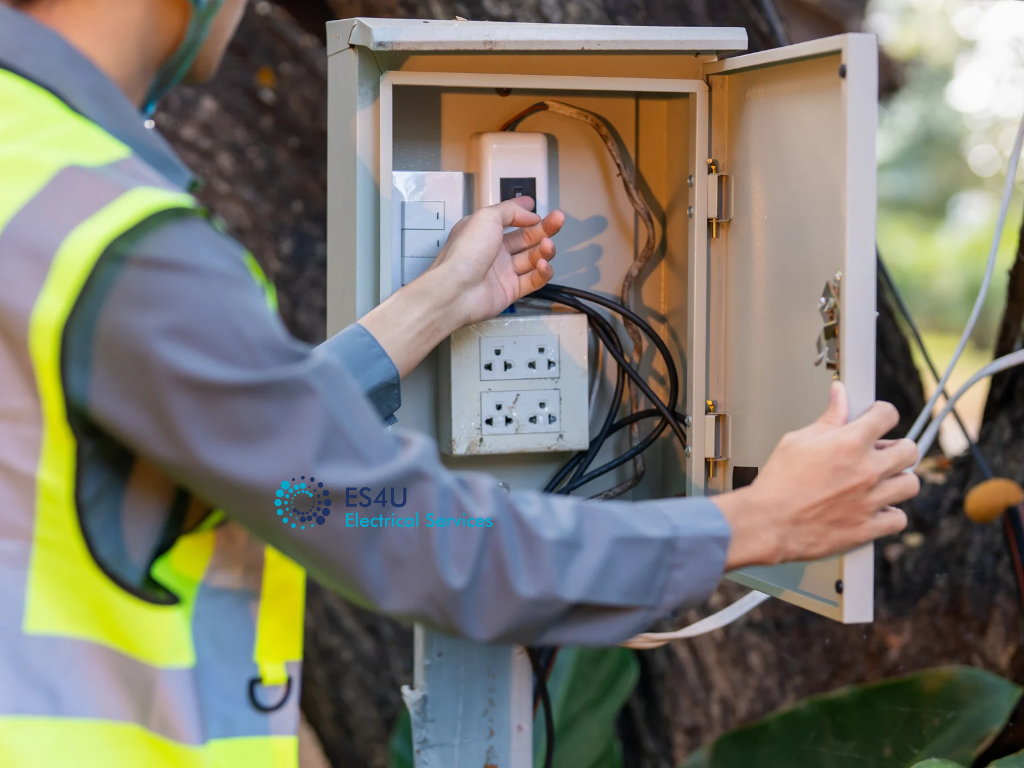
Protecting Employees, Customers and Essential Equipment
When a workplace loses power, safety should take priority over restoring normal operations.
Staff should follow the business’s established emergency procedures and avoid interfering with electrical installations.
Where it is safe, determine whether the interruption affects an individual device, one part of the building or the surrounding area.
If nearby properties are also affected, checking the electricity distributor’s outage information may help establish whether a network problem is involved.
People should stay away from exposed wiring, damaged equipment and electrical installations affected by water.
Equipment showing signs of damage should remain out of service until it has been appropriately assessed.
Businesses with critical operations may also need documented shutdown and contingency procedures.
Backup power arrangements, where required, should be professionally designed and maintained for their intended purpose.
If there is an immediate threat to life, call Triple Zero (000).
Restoring Electrical Systems After a Fault
When a fault originates within a commercial installation, commercial electricians can investigate the affected components and determine the necessary repairs.
The work may involve identifying defective connections, damaged wiring or unsuitable electrical equipment.
After repairs, appropriate checks and testing help establish whether the affected installation can be returned to service.
Restoration may take longer when replacement components, further investigations or access arrangements are required.
If the interruption originates from the electricity distribution network, the network operator may be responsible for restoring supply.
Businesses should document significant interruptions, including the affected systems and any identified causes.
These records can help guide future maintenance decisions and identify recurring problems.
How Can You Select Suitable Commercial Electrical Services?
Comparing Electrical Contractors for Commercial Work
Choosing a contractor requires more than confirming their availability.
Businesses should consider whether the proposed services match the type of building, installation and electrical problem involved.
Electrical maintenance, fault-finding, switchboard work and commercial fit-outs can require different experience and planning arrangements.
When reviewing commercial electrical services sydney providers, confirm relevant licensing, insurance and experience with comparable commercial environments.
It is also useful to ask whether the business offers scheduled maintenance, installation projects or fault-response services.
ES4U provides commercial electrical services, industrial fit-outs and service and maintenance support.
Businesses can discuss their electrical requirements and confirm which services are appropriate for their premises.
A contractor should be able to explain the work they recommend and why it is necessary.
What to Check Before Accepting an Electrical Service Quote
Clear quotations make it easier to compare services and understand what a business will receive.
When reviewing commercial electrical companies sydney, check whether quotations include inspection work, testing, repairs, materials and any necessary electrical shutdown arrangements.
The scope should also clarify how additional faults will be handled if they are discovered during the work.
A search for electrical services commercial may produce providers offering very different types of electrical work, so service descriptions should be examined carefully.
Ask whether inspection findings will be documented and how urgent safety concerns will be communicated.
For ongoing maintenance agreements, clarify proposed schedules, reporting arrangements and responsibilities.
Before engaging commercial electrician services, confirm the expected deliverables, costs and any limitations.
Choosing a contractor with a clearly defined scope helps businesses assess the value of the proposed work.
How Can Businesses Improve Long-Term Electrical Reliability?
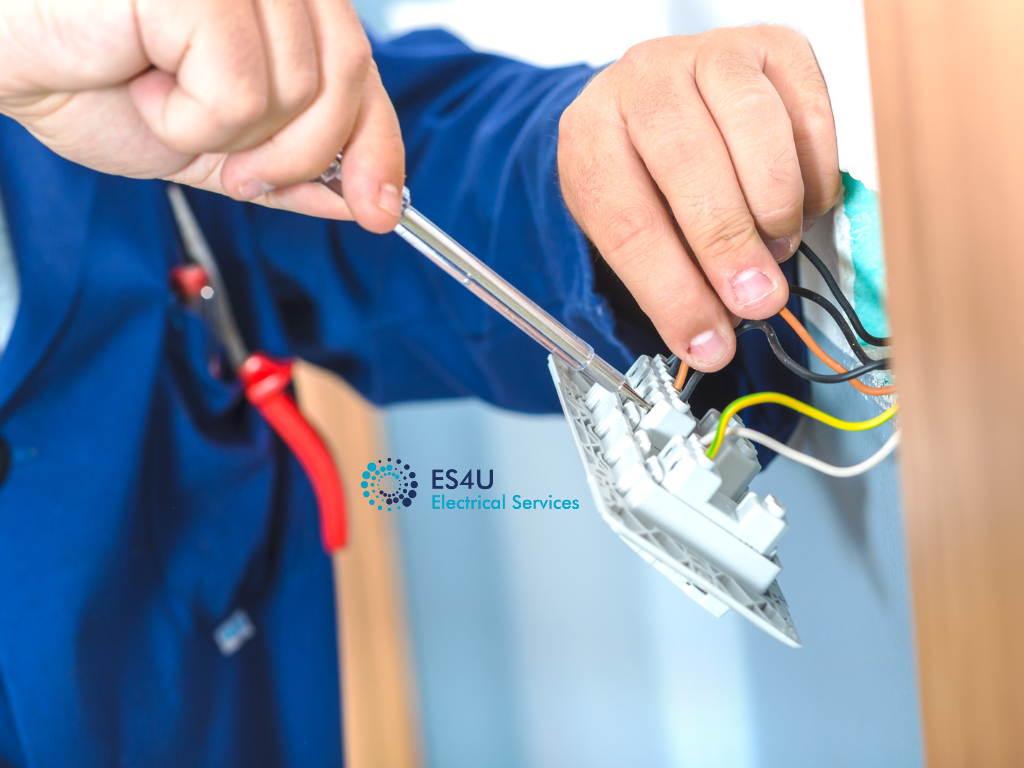
Developing a Maintenance Plan Around Workplace Needs
An effective maintenance approach should reflect the premises, equipment and operational risks.
Start by identifying electrical systems that are important to normal business activities.
Consider previous faults, recurring interruptions and equipment operating in demanding environments.
For example, an office and a warehouse may need different maintenance arrangements because their electrical installations and equipment usage differ.
Inspection records, test results and completed repair documentation should be retained.
Unresolved recommendations can also be tracked so important work is not overlooked.
Electrical requirements should be reviewed when major equipment is introduced or the workplace is renovated.
Commercial electricians can help assess maintenance priorities and recommend suitable arrangements based on the installation’s condition and operating environment.
Working With Commercial Electricians as Business Needs Change
Electrical reliability requires ongoing attention as buildings and business operations evolve.
Scheduled inspections, timely repairs and appropriate planning can help organisations manage avoidable electrical problems.
Communication between facility managers, business owners and electrical contractors is important when deciding which work should be prioritised.
Maintenance findings should explain the issue, any associated risks and the recommended next steps.
This helps businesses allocate resources and plan electrical improvements based on actual conditions.
For organisations in Sydney reviewing their electrical infrastructure, ES4U can be contacted to discuss commercial maintenance and electrical service requirements.
Working with commercial electricians does not guarantee that every power interruption can be prevented.
However, a practical combination of professional inspections, accurate maintenance records and appropriate electrical planning can help businesses manage risks and support more reliable day-to-day operations.
