

Boral Roof Tiles are still found on many Australian homes, particularly properties built or renovated when Boral roofing products were widely available. Although roof tiles are designed to withstand normal weather exposure, they can develop problems over time due to ageing, physical damage, poor drainage and changing weather conditions.
For Sydney homeowners, cracked tiles, roof leaks, deteriorating ridge pointing and difficulty finding matching replacement tiles are common concerns when maintaining an older tiled roof. These problems do not always mean the entire roof needs replacing, but they should be assessed before more extensive damage develops.
Understanding the condition of your existing roofing materials is an important part of making informed repair decisions. The appropriate approach depends on the tile material, original installation, condition of surrounding roofing components and whether compatible replacement products are available.
This guide explains the common problems affecting older Boral tiled roofs, practical maintenance considerations and the factors homeowners should understand before arranging repairs or replacement.
Why Boral Roof Tiles Develop Problems Over Time
Roof tiles are exposed to sunlight, rainfall, wind and temperature changes throughout their service life. Over time, these conditions can contribute to surface weathering and deterioration of associated roofing components.
Concrete and terracotta tiles can behave differently as they age. Concrete tiles may experience fading or changes to their surface finish, while terracotta tiles can develop chips, cracks or other signs of physical wear.
Not every change in appearance indicates a functional problem. A weathered tile may remain serviceable if it is structurally sound and the surrounding roofing system is working correctly.
Physical damage is another potential concern. Falling branches, severe weather and previous maintenance activities can cause tiles to crack or move out of position.
Problems may also develop when ridge pointing deteriorates, flashing becomes damaged or debris restricts water flow through roof valleys.
These issues can affect the roof’s ability to direct rainwater away from the property, even when most tiles remain intact.
For homeowners with older Boral Roof Tiles, regular professional inspections can help identify whether deterioration is limited to individual components or affects a larger section of roofing.
Understanding Older Boral Roofing Systems in Australia
Boral was historically associated with concrete and terracotta roof tile products used throughout Australia.
However, the Australian roofing market has changed, and Boral Roof Tiles should generally be treated as a historical product reference rather than an assumption that every original profile remains available as a current product.
This distinction matters when homeowners need to repair an existing roof.
A tile identified in old building records as a Boral tile may have a specific profile, size and interlocking arrangement. Even when a modern product looks similar, it may not fit correctly with the surrounding tiles.
Some homeowners may also encounter former Boral roofing product names when searching through historical catalogues, invoices or spare materials.
Before purchasing replacements, the exact characteristics of the existing tile should be checked.
A roofing contractor may need to examine the tile profile, dimensions, underside markings and interlocking edges to determine which replacement options are suitable.
Correct identification can help prevent compatibility problems and unnecessary purchases.
Identifying Damage Before It Causes Roof Leaks
Roof leaks can develop when individual tiles become damaged or when the surrounding roofing components no longer provide effective weather protection.
For homes with Boral Roof Tiles, recognising the difference between surface weathering and functional damage is important.
Some problems may be resolved through targeted repairs, while others require a more detailed examination of the roofing system.
Cracked, Broken and Displaced Boral Roof Tiles
Cracked or broken tiles can create potential entry points for rainwater, particularly during heavy or wind-driven rainfall.
A damaged tile may allow water to reach the underlying roof components. Whether this results in an internal leak depends on the roof’s construction, drainage arrangements and the condition of any sarking.
Tiles may become damaged through impact, roof movement, severe weather or foot traffic during previous maintenance.
Displaced tiles are another concern because they can create gaps in the overlapping roofing arrangement.
In some cases, damage may be visible from ground level. Homeowners might notice a missing tile, an uneven section of roofing or broken pieces around the property after a storm.
However, smaller cracks and defects may not be obvious without a professional inspection.
When an individual Boral roof tile is damaged, the repair may involve replacing it with a suitable matching or compatible tile.
The surrounding tiles, battens and underlying components should also be checked to determine whether the issue extends beyond the visible damage.
Homeowners should avoid climbing onto tiled roofs to inspect or replace broken materials. Roof tiles can be slippery or fragile, and walking on them incorrectly may cause additional damage.
Damaged Ridge Pointing, Flashing and Roof Valleys
Roof tiles are only one part of a complete roofing system.
Ridge pointing, bedding, flashing and roof valleys also play important roles in helping rainwater move away from the building.
Ridge pointing is the material used around ridge and hip tiles to help secure and weatherproof these areas. Depending on the original construction, it may deteriorate or develop cracks over time.
Damaged pointing may allow movement in ridge components or contribute to water entry under certain conditions.
Flashing is used around roof penetrations and junctions, including chimneys, walls, vents and other areas where roofing surfaces meet.
When flashing becomes loose, corroded or incorrectly sealed, rainwater may enter through gaps that are not immediately visible.
Roof valleys channel water from adjoining roof surfaces towards the guttering system. Debris accumulation, corrosion or damaged surrounding tiles can interfere with this drainage.
For older Boral Roof Tiles, inspecting these components is just as important as examining the tiles themselves.
Replacing a visibly damaged tile may not resolve a leak if the actual cause is deteriorating flashing or a blocked valley.
A thorough roofing assessment helps identify the source before repairs are recommended.
How Sydney Weather Affects Tiled Roofs
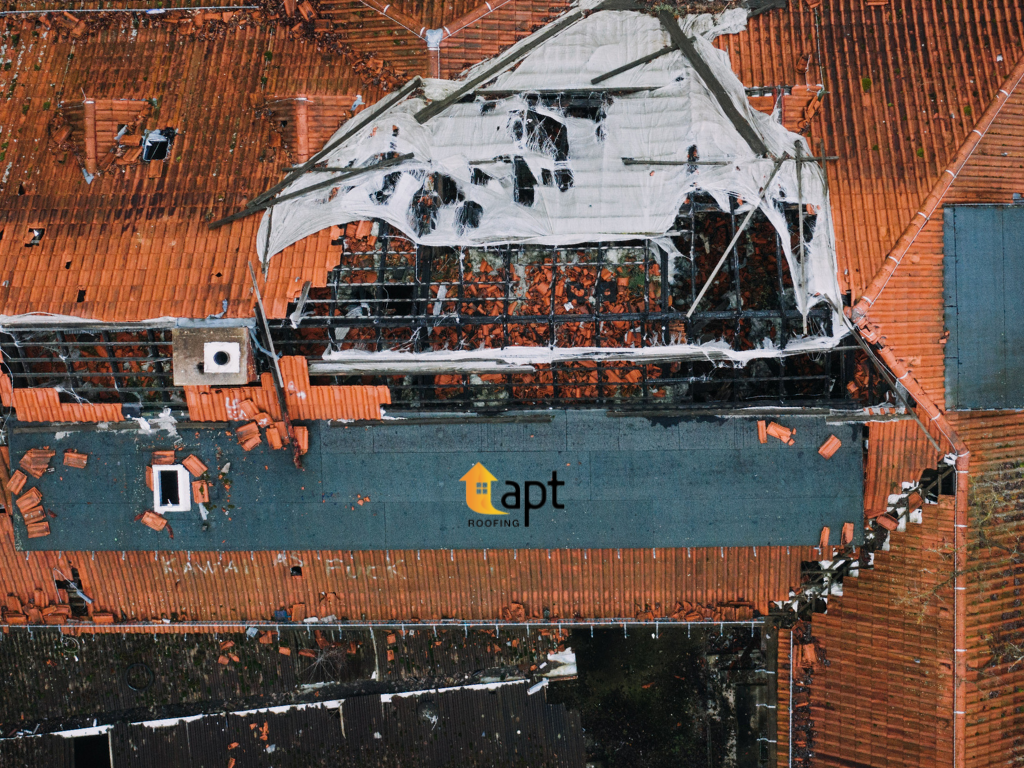
Sydney homes experience varying weather conditions throughout the year, including periods of intense rainfall, strong winds and prolonged summer heat.
These conditions can expose existing weaknesses in tiled roofing systems.
For homeowners with Boral Roof Tiles, understanding how weather affects the roof can help explain why damage or leaks sometimes become noticeable after severe conditions.
Boral Roof Tiles During Heavy Rain and Storms
Heavy rainfall can reveal problems that remain unnoticed during dry weather.
When large amounts of water move across a roof, damaged tiles, deteriorating flashing and blocked drainage channels may allow moisture to reach vulnerable areas.
Strong winds can also drive rain beneath poorly secured roofing components.
This means a roof may appear to perform normally during light rainfall but develop leaks during a severe storm.
Falling branches and windborne debris can cause physical damage to tiles, while strong winds may displace roofing components that are already loose.
After a storm, homeowners should observe their roof from a safe location at ground level.
Visible warning signs may include broken tiles, uneven roof sections, loose gutters or debris that has fallen from the roofing area.
Interior ceiling stains or new damp patches following rainfall may also indicate possible water entry.
However, the location of an internal stain does not always identify the point where rainwater entered the roof.
Water can travel along roofing components and structural surfaces before becoming visible inside the property.
If storm damage is suspected, a professional inspection can help determine whether individual repairs, temporary weatherproofing or more extensive work is required.
How Heat, Moisture and Weathering Affect Roof Tiles
Roofing materials expand and contract as temperatures change.
Although roof tiles are manufactured for outdoor conditions, repeated environmental exposure can affect surface finishes and associated roofing components over time.
Concrete tiles may gradually change colour as their surface coating weathers.
Terracotta tiles generally retain the characteristics of their fired clay material, although surface staining, chips and other visible changes can still occur.
Moisture can also contribute to the growth of moss, lichen or algae, particularly in shaded areas where surfaces remain damp.
These growths do not automatically mean the roof has failed, but they may indicate areas that require closer inspection.
Cleaning methods must be selected carefully because inappropriate pressure cleaning or walking on the roof can damage tiles and surrounding components.
Homeowners should also understand that faded or weathered tiles do not necessarily need replacement.
The more important considerations are whether the tiles remain structurally sound and whether the roofing system continues to direct water away effectively.
For older Boral Roof Tiles, professional advice can help distinguish normal ageing from deterioration that requires repair.
Repairing Boral Roof Tiles and Finding Replacements
One of the main concerns when repairing an older tiled roof is finding replacement materials that fit correctly.
Because Boral Roof Tiles are associated with historical roofing ranges, homeowners should not assume that every original tile profile remains available.
However, difficulty finding an exact match does not automatically mean the entire roof requires replacement.
Can Damaged Boral Roof Tiles Be Replaced Individually?
In many situations, individual damaged tiles can be replaced when suitable matching or compatible products are available and the surrounding roof remains in serviceable condition.
A roofing contractor will generally need to establish the original tile profile before selecting a replacement.
Important characteristics include the tile’s overall dimensions, shape, thickness, interlocking edges and fixing arrangement.
Colour is another consideration, although an exact appearance match may be difficult where existing tiles have weathered over many years.
A replacement that appears similar from the ground may not fit properly alongside the original tiles.
Poor compatibility can create gaps, affect water flow or interfere with how neighbouring tiles overlap.
For this reason, homeowners should avoid purchasing replacement products solely because they have a similar colour or general appearance.
A roofing professional may be able to identify the original product using manufacturer markings, historical information or examination of a sample tile.
If the exact tile is no longer manufactured, suitable alternatives may sometimes be found through specialist roofing suppliers or reclaimed tile sources.
However, reused tiles should be assessed for condition, suitability and compatibility before installation.
If damage is widespread or the roof has multiple deteriorating components, broader repairs or replacement may be more appropriate than replacing tiles individually.
Matching Older Boral Tiles With Lutum Roof Tiles
Homeowners researching replacement Boral Roof Tiles may also encounter Lutum Roof Tiles.
The names are connected through the history of Australia’s roofing product market, but this does not mean that every LUTUM product is identical to a former Boral tile.
LUTUM ranges and availability have also changed over time, making it important to confirm which products can currently be sourced.
Before considering a LUTUM tile as a replacement, the existing Boral profile should be accurately identified.
The replacement needs to match the functional requirements of the roofing system, including its dimensions, interlocking arrangement, water channels and fixing method.
Matching colour alone is not sufficient.
Different profiles may look similar when installed but have important variations that affect how they connect with adjoining tiles.
Homeowners should also consider the condition of the existing roof.
An older roofing system may contain several tile types if previous repairs were completed using different replacement materials.
In these situations, a contractor may need to inspect multiple roof sections before recommending a consistent repair approach.
When exact replacement products are unavailable, the contractor can explain whether a compatible alternative exists or whether a larger roofing section requires attention.
The objective should be to maintain effective weather protection rather than simply achieving a close visual match.
Comparing Roof Tile Materials and Roofing Designs
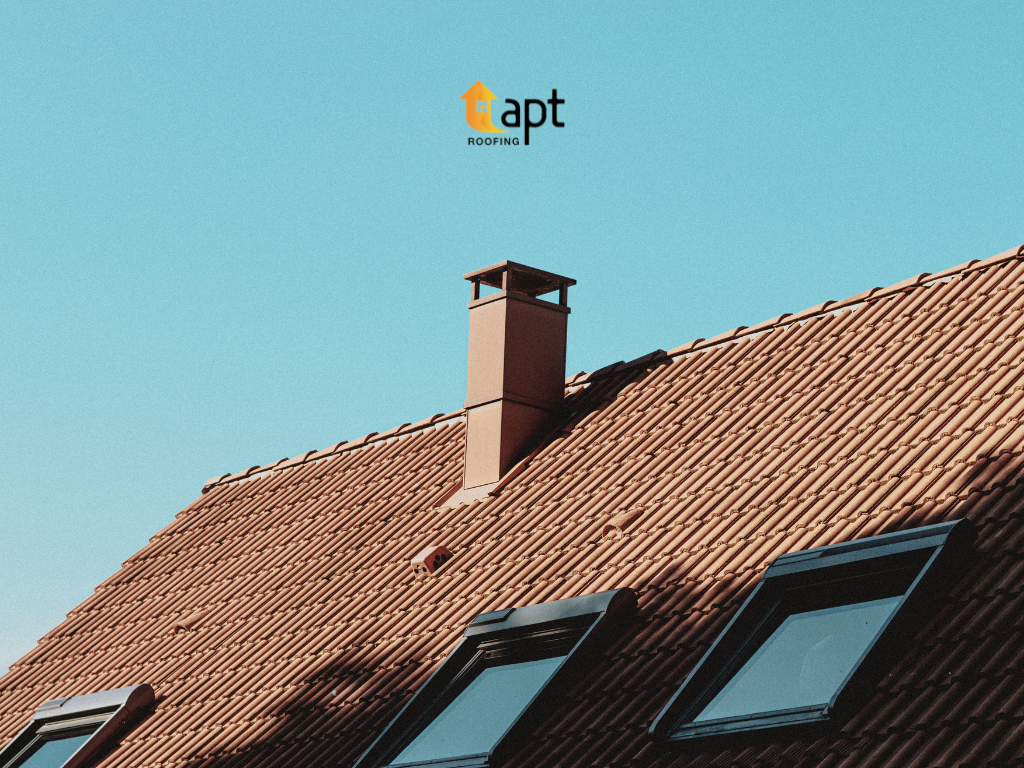
When an older roof requires substantial repairs, homeowners may begin considering other roofing materials and designs.
Boral Roof Tiles were produced in different styles and materials, while current Australian roofing products offer a variety of profiles, colours and finishes.
Understanding the differences between available options can help homeowners decide whether maintaining their existing tiled roof or considering a different roofing system is more appropriate.
Concrete, Terracotta and Designer Roof Tiles
Concrete and terracotta are established roofing materials used throughout Australia.
Concrete roof tiles are manufactured from a mixture of cement, sand and other materials. They are available in different profiles and finishes, depending on the product range.
Terracotta tiles are manufactured from clay and fired at high temperatures.
Both materials can provide suitable roofing solutions when correctly specified and installed, but their characteristics and maintenance requirements differ.
Concrete tile surfaces may weather or fade over time, while terracotta tiles can retain their fired colour characteristics but remain susceptible to physical damage.
Neither material is automatically the best option for every property.
Roof pitch, structural capacity, local exposure conditions, product availability and installation requirements should all be considered.
Homeowners exploring designer roof tiles may also be interested in flatter profiles, different surface finishes or colours that complement contemporary architecture.
Roof tiles design choices can influence the overall appearance of a home, particularly when completing a major renovation.
However, appearance should not be the only consideration.
If a homeowner is replacing older Boral Roof Tiles with a different product, the replacement must suit the roof structure and installation requirements.
A professional assessment can help determine whether the intended tile profile is appropriate for the existing building.
Boral Roof Tiles vs Corrugated Metal Roofing
Some homeowners considering major roof repairs may compare their existing tiled roof with corrugated metal roofing.
These roofing systems differ in materials, installation methods, weight, appearance and maintenance requirements.
Tiled roofs use overlapping individual units to form the roofing surface, while corrugated metal roofs generally use longer sheets secured to the roof structure.
Both systems require appropriate flashing, drainage and installation methods to manage rainwater.
Metal roofing may be considered during roof replacement projects because it offers different design options and structural characteristics.
However, converting an existing tiled roof to corrugated metal roofing is not simply a matter of removing one material and installing another.
Changes in roofing weight, fixing methods, roof pitch requirements and structural performance must be assessed.
The existing roof framing and relevant building requirements may influence which materials can be installed.
Homeowners should also consider ventilation, insulation, noise characteristics and the appearance of the finished roof.
For properties with older Boral Roof Tiles, retaining the existing roofing system may be practical where the roof remains structurally sound and suitable repairs are available.
Where extensive deterioration is present, comparing roofing alternatives with an experienced contractor can help establish the most appropriate long-term solution.
Choosing Between Roof Repairs and Restoration
Not every ageing tiled roof needs complete replacement.
The appropriate decision depends on the extent of damage, condition of the roofing materials and whether the existing system can continue to provide effective weather protection.
For homeowners with Boral Roof Tiles, distinguishing between targeted repairs, restoration and replacement can help avoid unnecessary work.
When Boral Roof Tiles Need Repair or Restoration
Targeted roof repairs are generally considered when damage is limited to particular tiles or roofing components.
For example, replacing several broken tiles or repairing a localised flashing defect may be sufficient when the remainder of the roof is in good condition.
Roof restoration usually involves a broader range of work aimed at addressing deterioration across an existing roofing system.
Depending on the roof, this may include replacing damaged tiles, repairing ridge bedding and pointing, cleaning appropriate surfaces or applying a suitable coating where recommended.
However, restoration does not automatically resolve structural defects or make an unsuitable roofing system serviceable.
The condition of the underlying roofing components must also be considered.
If extensive tile deterioration, major structural problems or widespread water entry is present, replacement may be more appropriate.
Homeowners should be cautious about recommendations based only on faded tile colour or the age of the property.
Visible surface weathering is not always evidence that major roofing work is necessary.
Similarly, applying a coating does not repair broken tiles, damaged flashing or underlying structural problems.
A professional inspection should establish what is actually causing the roofing issue before a restoration or replacement method is selected.
For older Boral Roof Tiles, replacement availability may also influence the recommended approach.
What Affects the Cost of Repairing an Older Tiled Roof?
Roof repair costs vary according to the nature and extent of the work.
Replacing a small number of accessible tiles may involve less work than repairing multiple roofing sections or addressing widespread deterioration.
The size and pitch of the roof can influence access requirements and labour costs.
Steeper roofs, multi-storey properties and difficult access conditions may require additional safety equipment or specialised working arrangements.
Tile availability is another important factor.
If an older Boral roof tile profile is difficult to source, locating suitable replacement materials may take additional investigation.
The condition of ridge pointing, flashing, valleys and surrounding components can also affect the scope of repairs.
Where moisture has damaged underlying materials, additional work may be necessary beyond replacing the visible tiles.
Homeowners should request a clear quotation explaining the proposed repairs and the materials involved.
It is also useful to understand whether the quotation covers only the damaged area or includes broader maintenance work.
When comparing contractors, the lowest price does not necessarily represent the most appropriate solution.
A quotation should reflect the identified roofing problem, suitable repair methods and the work required to address it.
Because roof conditions vary considerably, a site assessment is generally necessary before a reliable price can be established.
Maintaining Your Roof and Choosing a Roofing Contractor
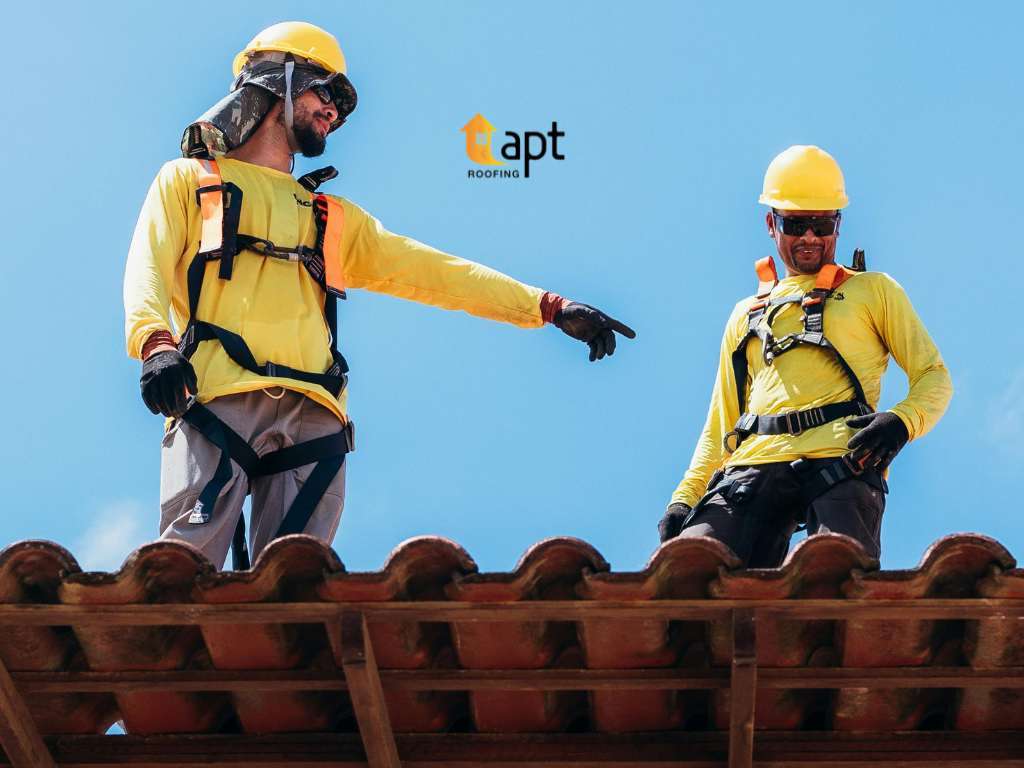
Regular maintenance can help homeowners recognise developing roofing problems before they result in more extensive damage.
For properties with Boral Roof Tiles, maintenance is particularly important when the original roofing materials are ageing or replacement products are becoming harder to identify.
Choosing an experienced roofing contractor can also help ensure repairs are appropriate for the existing system.
Boral Roof Tiles Maintenance Tips for Australian Homes
Maintaining a tiled roof begins with monitoring visible changes and keeping drainage systems functioning properly.
Homeowners can observe the roof from ground level and look for displaced tiles, damaged ridge sections or other obvious changes.
Broken tile fragments found around the property may also indicate damage after strong winds or storms.
Gutters and downpipes should be maintained to reduce the risk of blockages caused by leaves, branches and other debris.
Properties surrounded by mature trees may require more frequent attention to drainage systems.
Roof valleys should also be kept clear because they carry water from adjoining roof surfaces.
However, working on roof valleys or accessing roof surfaces should be left to suitably equipped professionals.
For older Boral Roof Tiles, periodic professional inspections can help identify damaged components and assess whether the roofing system remains in serviceable condition.
The appropriate inspection frequency depends on roof age, material, exposure and previous maintenance history.
After severe weather, homeowners should check for visible changes from a safe location and arrange an assessment where damage is suspected.
Cleaning methods also require care.
Inappropriate high-pressure cleaning or unnecessary walking on roof tiles can cause damage, particularly where materials have become fragile.
Any maintenance products or treatments should be suitable for the specific tile material and its condition.
Keeping records of previous repairs and replacement tile information can also be useful when future work is required.
Although maintenance cannot prevent every roofing problem, it can help homeowners manage deterioration and make more informed repair decisions.
Finding Professional Help for Older Tiled Roof Repairs
Choosing a roofing contractor with experience working on older tiled roofs is important when arranging repairs.
A contractor should be able to assess the condition of the existing tiles, identify likely sources of water entry and explain whether compatible replacement materials are available.
Experience with concrete and terracotta roofing can be particularly useful when dealing with historical tile profiles.
In NSW, relevant roofing work may require an appropriate contractor licence depending on the type and value of the work.
Homeowners should check applicable licensing requirements and ask about insurance arrangements before approving repairs.
A written quotation should explain the proposed work, materials and any relevant limitations.
Where replacement Boral Roof Tiles are difficult to source, the contractor should explain how compatibility will be assessed rather than assuming any similarly shaped product will fit.
It is also worth discussing whether the recommended repairs address the actual cause of a problem.
For example, recurring water stains may require examination of flashing, valleys or other roofing components rather than simply replacing nearby tiles.
For Sydney homeowners seeking assistance with older tiled roofs, APT Roofing is a business to contact when enquiring about roof inspections, damaged tile repairs and suitable roofing services.
Providing information about the property’s approximate age, existing roofing material and any visible damage can help with an initial enquiry.
Photographs taken safely from ground level may also assist with identifying the type of problem.
Whether the issue involves cracked tiles, deteriorating pointing, storm damage or difficulty finding matching replacements, the most appropriate next step is to establish the condition of the existing roofing system.
Boral Roof Tiles can remain part of a functional residential roof when the materials and surrounding components are in suitable condition. However, repairs should be based on proper inspection, compatible materials and appropriate installation methods.
If you have noticed broken tiles, recurring roof leaks or signs of deterioration, contact APT Roofing to discuss your roofing concerns and enquire about an inspection and suitable repair options for your Sydney property.
