

A Practical Electrical Maintenance Checklist for Commercial Properties
Commercial properties depend on safe and reliable electrical systems every day. Lighting, power outlets, switchboards, safety switches, security systems, air conditioning and business equipment all need a dependable electricity supply. When one part of the system develops a fault, it can disrupt employees, tenants, customers and normal operations.
A commercial electrical maintenance plan helps property and facility managers find developing issues, organise repairs and keep useful records. It also provides a clearer basis for deciding which work needs prompt attention and which improvements can be scheduled for a quieter period.
The right checklist will vary between an office, retail premises, warehouse, school, strata complex or mixed-use building. However, the following areas provide a practical starting point for reviewing a commercial property.
Create an accurate electrical asset register
Before setting a maintenance schedule, identify the electrical systems and equipment within the property. This creates a reliable reference for inspections, repairs and future upgrades.
An electrical asset register may cover main switchboards, distribution boards, safety switches, power outlets, internal and external lighting, emergency and exit lighting, fixed appliances, mechanical plant connections, security systems and other electrical infrastructure. Larger properties may need separate records for each floor, tenancy, building or operational area.
The register should identify where each asset is located and, where available, its make, model, age and previous maintenance history. It should also record significant repairs, known faults and replacement recommendations.
An accurate register reduces the risk of equipment being overlooked. It is especially useful when a property has been extended, renovated or occupied by several tenants over time. In these situations, the current electrical layout may differ from older drawings or maintenance records.
A facility electrician can help review the property and identify equipment that should be included. The register can then be updated whenever new systems are installed or existing assets are removed.
Set priorities based on use and operating conditions
Not every electrical asset needs the same level of attention. Maintenance priorities should reflect how the equipment is used, the environment in which it operates and the consequences of a failure.
Equipment exposed to moisture, heat, dust, vibration, chemicals or physical damage may need closer attention than equipment used in a clean, controlled office. Assets that operate for extended hours may also experience different wear from systems that are used only occasionally.
Operational importance matters as well. A fault affecting a main switchboard, emergency system or essential business equipment may have a much greater impact than a problem with a non-critical fitting.
Previous faults can reveal where attention is needed. Repeated circuit trips, recurring lighting failures or frequent equipment interruptions should not be treated as isolated events without investigation. Recording patterns helps the property manager and electrician decide whether repair, further testing or replacement is appropriate.
SafeWork NSW explains that inspection and testing frequency depends on the nature of the workplace and the risks associated with the equipment. Its electrical inspection and testing guidance provides useful information for businesses and other persons conducting a business or undertaking.
Inspect Switchboards and Electrical Distribution Equipment
Switchboards distribute electricity throughout the property and contain protective equipment for connected circuits. Their condition should therefore form an important part of commercial electrical services sydneyn maintenance.
Property employees should not remove covers or enter restricted electrical areas unless they are authorised and competent to do so. However, they can report visible or noticeable changes around accessible areas. These may include damaged doors, missing labels, unusual sounds, burning smells, corrosion, water entry or signs of excessive heat.
A qualified electrical professional can carry out a more detailed assessment using appropriate inspection and testing methods. The scope will depend on the switchboard, its age, its condition and the building’s electrical requirements.
Clear and accurate circuit identification is also important. Poor or outdated labels can make planned maintenance and fault response more difficult. If the property has undergone several alterations, the labels and available drawings should be checked against the current installation.
Any concern suggesting that equipment may be unsafe should be addressed promptly. SafeWork NSW advises that unsafe electrical equipment should be disconnected and that electrical risks must be managed. Electrical work generally must not be undertaken on energised equipment except in limited circumstances with additional controls. Further guidance is available on the SafeWork NSW electrical work page.
Review capacity when business requirements change
Commercial electrical systems are often asked to support more equipment than they did when first installed. New tenancies, kitchen appliances, air conditioning, computer equipment, machinery, lighting and electric vehicle charging can all change the property’s electrical demand.
Before adding significant equipment, the existing system should be assessed. This may include reviewing the available supply, switchboard capacity, circuit protection, cabling and isolation requirements. The assessment should also consider whether the proposed equipment could affect other systems in the building.
A commercial electrical service upgrade may be required when the existing infrastructure is unsuitable for the property’s current or proposed needs. However, an upgrade should follow a proper assessment rather than being recommended automatically. The provider should explain what limitation has been identified, what work is proposed and how it will support the intended use of the property.
Planning early is particularly important during a renovation or tenancy change. Discovering an electrical capacity issue after new equipment has arrived can delay the fitout and create additional project costs.
Check Safety Switches, Power Outlets and Connected Equipment

Confirm inspection and testing requirements
Safety switches, also known as residual current devices or RCDs, are designed to disconnect the electricity supply when they detect certain electrical faults. Testing requirements can vary according to the equipment, workplace and operating conditions.
Commercial property managers should not assume that one generic interval applies to every item or location. The appropriate schedule should consider applicable legal requirements, relevant standards, manufacturer instructions and the property’s risk assessment.
SafeWork NSW states that plug-in electrical equipment used in conditions likely to cause damage or reduce its expected lifespan must be regularly inspected and tested by a competent person. These conditions can include exposure to moisture, heat, vibration, mechanical damage, corrosive chemicals or dust.
Testing records should identify who completed the work, when it was carried out, the outcome and when the next test is due. Depending on the equipment and requirement, this information may be maintained through a tag, register or another suitable record.
Testing should form part of the broader commercial electrical system maintenance program. It should not be treated as proof that every part of the property’s electrical installation is free from faults.
Record damaged outlets and recurring circuit problems
Power outlets and switches are used frequently and can be damaged by wear, impact, unsuitable equipment or poor handling. Loose fittings, cracked covers, scorch marks, heat or intermittent operation should be reported and assessed.
Extension leads and multiple adaptors can also indicate that an area no longer has enough permanent outlets for its current use. Rather than allowing temporary arrangements to become permanent, the property manager should review what equipment is being connected and whether additional outlets or circuits are needed.
Repeated circuit breaker trips should not simply be reset without considering why they are occurring. A trip can indicate an overloaded circuit, damaged equipment or another electrical issue. The cause should be investigated by an appropriately qualified person.
Employees and tenants should have a clear way to report electrical concerns. Details such as the location, time, affected equipment and activity occurring when the problem appeared can help an electrician investigate intermittent faults.
Maintain General, Exterior and Emergency Lighting
Commercial lighting affects visibility, security, employee comfort and the way customers experience a property. A maintenance review should cover internal work areas, corridors, stairways, amenities, entrances, car parks, loading areas and exterior paths where relevant.
Flickering, delayed starting, reduced brightness and repeated lamp or fitting failures can indicate that attention is needed. Damaged switches, sensors and lighting controls should also be recorded rather than assessed only by whether the light turns on.
Where older lighting is producing frequent maintenance issues, the property manager may consider whether repair or replacement is the better long-term option. Any proposal should consider the space, operating hours, required light levels, controls and compatibility with the existing electrical system.
Energy efficiency can be part of the discussion, but it should not be the only consideration. Lighting needs to remain suitable for the tasks, access requirements and operating conditions of the property.
Include emergency and exit lighting in the schedule
Emergency and exit lighting should be included as a separate part of the maintenance plan. These systems need to operate when normal lighting is unavailable, so a fitting that appears functional during ordinary use may still require testing.
The maintenance provider should explain what will be inspected, how testing will be completed, what records will be supplied and how failed equipment will be addressed. The applicable requirements depend on the building and system, so property managers should obtain advice relevant to their premises.
Exit signs also need to remain visible and unobstructed. Changes to partitions, shelving, displays or tenancy layouts can affect visibility even when the fitting itself is working.
Emergency lighting records should be kept with the property’s other essential maintenance information. This gives facility managers a clear history of tests, failures, repairs and replacements.
Review Cabling and Electrical Systems Across the Property
Look for damage, deterioration and unsafe alterations
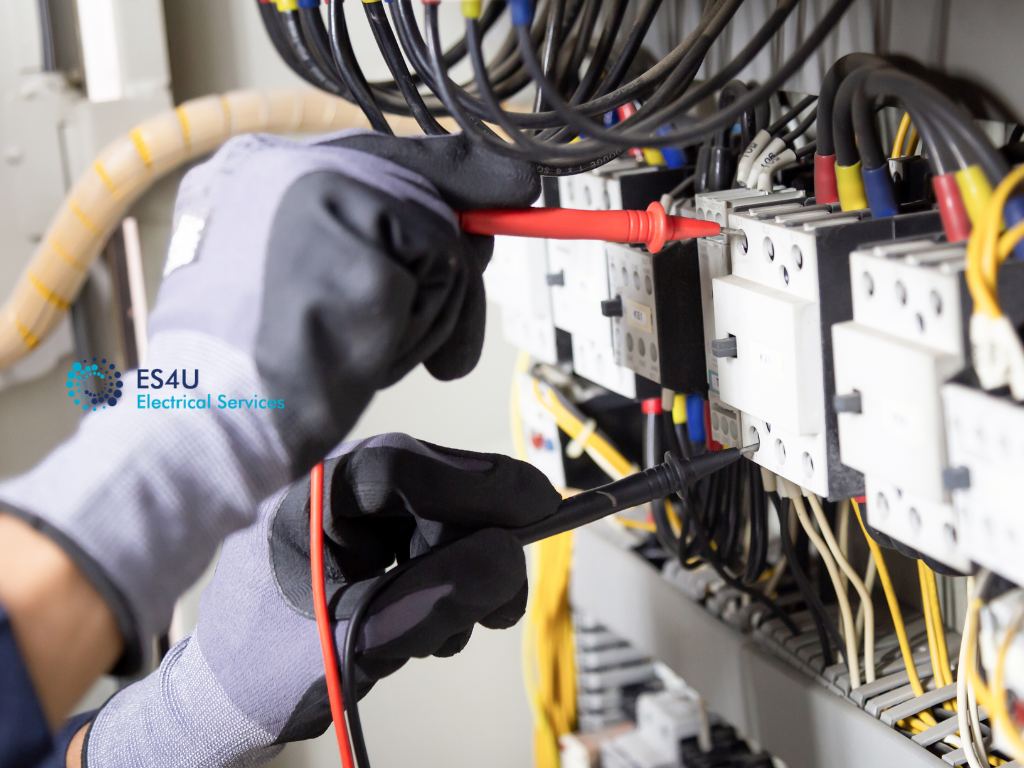
Electrical cabling may pass through ceilings, walls, service areas, plant rooms and outdoor spaces. Although much of it is concealed, visible sections and associated containment can still be checked for signs of damage.
Facility teams can report damaged conduit, loose fittings, exposed wiring, unsupported cables or changes made without clear documentation. They should not touch damaged electrical equipment or attempt repairs themselves.
Renovations and tenant fitouts deserve particular attention. Previous work may have changed circuits, relocated equipment or left labels and drawings out of date. A review can help determine whether alterations were properly integrated into the property’s electrical system.
Water entry, pest activity and physical impact may also affect cabling or equipment. If there is evidence that an electrical installation has been exposed to damaging conditions, the affected area should be assessed before normal use continues.
Adapt the checklist for warehouses and demanding environments
Warehouses have electrical maintenance needs that may differ from those of a standard office. High-bay lighting, loading areas, powered doors, refrigeration, conveyor systems, machinery and equipment-charging stations can all form part of the electrical environment.
Vehicle movement can increase the risk of impact damage to outlets, conduit and electrical equipment. Dust, vibration, temperature changes and long operating hours may also affect how assets are inspected and maintained.
Businesses looking for warehouse electrical maintenance sydney should choose a provider that will review the actual site rather than apply an office-based checklist. The maintenance scope should reflect the building’s equipment, operating schedule, access arrangements and critical areas.
Planning may be necessary where lighting or equipment is difficult to access. Suitable access equipment, exclusion areas and coordination with warehouse operations may need to be arranged before work starts.
Plan Repairs, Upgrades and Larger Electrical Projects
A useful maintenance report should help the property manager understand what needs to happen next. It should distinguish between unsafe conditions, faults affecting operations, repairs that can be scheduled and improvements that may be considered over time.
This prioritisation supports better decisions. An urgent safety concern should not be delayed to fit a routine budget cycle, while a non-critical improvement may be planned for a future maintenance period.
The provider should explain the reason for each recommendation in plain language. Where replacement or substantial work is suggested, the report should identify the condition or limitation that led to that recommendation.
Property managers can then coordinate approved work with tenants, employees and other contractors. Where an interruption to electricity is required, the timing, affected areas and expected process should be discussed before work begins.
Define the scope of a commercial electrical project
A commercial electrical project may involve a switchboard upgrade, lighting replacement, new circuits, equipment connections, tenancy work or broader electrical improvements. Whatever the size, a clear scope is important.
The scope should identify the areas and systems included, any exclusions, responsibilities, access needs and expected documentation. It should also explain whether shutdowns are required and what needs to happen before the system is returned to service.
Where several trades are involved, the electrical work should be coordinated with the wider program. Delays can occur when equipment specifications, final layouts or site access arrangements are not available at the right time.
Testing, commissioning and handover should be considered from the beginning. Once completed, new equipment, circuits and system changes should be added to the property’s asset register and future maintenance schedule.
This approach connects project work with ongoing commercial electrical maintenance instead of treating the installation as a one-off activity.
Keep Records and Choose the Right Maintenance Provider

Maintain reports, test results and repair histories
Good records help property managers understand the condition of their electrical systems. They also make it easier to track recurring faults, confirm completed work and plan future expenditure.
Maintenance reports should identify what was inspected, what was found and what action was taken. Recommendations that remain outstanding should have a clear status so they do not disappear between service visits.
Electrical drawings, certificates, asset registers, test results and repair histories should be stored where authorised employees can find them. Records should also be updated after fitouts, upgrades or major equipment changes.
Over time, this information can reveal patterns. Repeated repairs to the same fitting, circuit or component may indicate that a broader solution needs to be considered. Reliable records give the facility electrician better information and reduce the need to investigate the same history repeatedly.
What to look for in a facility electrician
When comparing commercial electrical services in Sydney, begin by checking that the provider holds the appropriate licences for the work. Relevant commercial experience, safe work procedures, clear communication and reliable documentation are also important.
Ask how the provider develops its maintenance scope. A suitable electrician should want to understand the property, operating environment, business hours, existing equipment and previous concerns before recommending commercial electrical solutions.
The service proposal should explain what is included, how faults will be reported and how additional repairs will be authorised. It should also clarify arrangements for planned work and urgent electrical problems.
ES4U can assist businesses and property managers with commercial electrical maintenance, electrical projects, upgrades and ongoing service requirements. The recommended approach should always be based on the condition and use of the individual property.
If your commercial property does not have a current electrical asset register or organised maintenance schedule, arrange a site discussion with ES4U. A review can help identify what should be inspected, which records are missing and how future electrical work can be planned around the needs of the property.
