

Sustainable veneer can bring the warmth and natural character of timber into cabinetry, furniture, doors and interior wall panels. However, the word “sustainable” does not describe one standard product.
A veneer may come from a responsibly managed forest, but buyers must consider more than the decorative timber surface. The substrate, adhesive, backing material, finish, manufacturing process and expected service life also affect the complete panel.
This makes careful product comparison important. Architects, interior designers, joiners, builders and homeowners should ask where the timber came from, what certification applies and how the panel will be made.
For projects in Sydney and across NSW, early conversations with suppliers can also help confirm local availability. They can identify suitable panel sizes, current veneer batches and manufacturing requirements before the drawings become difficult to change.
Why veneer is not automatically sustainable
Timber veneer consists of thin slices of real wood. A manufacturer joins the veneer leaves and presses them onto a board substrate. This process allows a decorative timber surface to cover a larger area than the same volume of timber used as thick solid components.
The Timber Veneer Association of Australia describes veneering as an efficient use of timber. It also notes that timber veneer is renewable, reusable, recyclable and biodegradable. These qualities can support a more responsible material choice. However, they do not make every veneered product equally sustainable.
The timber still needs a responsible source. The panel should also suit its intended use and remain serviceable for a reasonable period. A poorly specified product may need early replacement, which creates more material use and waste.
Therefore, buyers should avoid choosing a product based only on a green description or a timber image. They should ask for clear information about the veneer, substrate and manufacturing process.
Credible sustainable veneers should come with relevant product details and supporting documents. The supplier should also explain which claims apply to the exact material being quoted.
Factors that shape the complete panel’s environmental impact
The decorative veneer forms only one part of the panel. Manufacturers normally press it onto MDF, particleboard, plywood or another suitable substrate.
Each substrate has different characteristics. The right option depends on the panel size, fixing method, machining needs, location and expected use. A wall panel may need a different construction from a door, table or frequently handled cabinet front.
The backing layer also matters. Manufacturers often use a balancing veneer or another suitable material on the reverse face. This can help keep the panel stable by balancing forces on both sides.
Adhesives and coatings form part of the complete specification as well. Buyers may need information about emissions, product composition or project-specific requirements. These details should come from current technical documents rather than assumptions.
Durability is another important factor. A panel that performs well and remains attractive for many years may provide more value than a product that needs early replacement.
Good design should therefore consider sourcing, manufacturing, installation, maintenance and eventual replacement. Sustainability is not just a label attached to the veneer species.
Check Where the Timber Comes From
Certification can help buyers assess responsible forest sourcing. Common systems in Australia include FSC, PEFC and the Responsible Wood Certification Scheme.
FSC chain-of-custody certification tracks certified forest-based materials as they move through production and distribution. Certified businesses must identify and record eligible materials during purchasing, manufacturing and sales.
PEFC also uses chain-of-custody systems to support traceable forest-based products. Responsible Wood manages an Australian certification scheme endorsed by PEFC.
The Timber Veneer Association of Australia supports chain-of-custody certification through FSC, PEFC and Responsible Wood. It also states that certified veneer products are available from association members.
These systems may also matter for commercial projects with responsible-material targets. The Green Building Council of Australia recognises eligible FSC and PEFC-accredited forest certification systems within relevant Green Star requirements. The exact requirements depend on the rating tool and project pathway.
Certification does not replace product selection. Buyers still need to choose the correct species, substrate, dimensions and finish. However, it provides a structured way to support responsible sourcing claims.
How to verify a product claim and chain of custody
A supplier holding certification does not mean every product it sells automatically carries a certified claim. Certified and non-certified materials may both form part of its wider range.
Ask whether the exact veneer and substrate combination is available with the required claim. The quotation should identify the certification status clearly.
The purchase order should repeat the requirement. Relevant delivery and sales documents should also include the correct claim when required.
Check the supplier’s certificate number, certification scope and current status. The scope should cover the type of product or manufacturing work involved in the order.
For example, a certificate may cover the purchase and sale of veneer sheets. Another may also include cutting, joining, pressing or manufacturing finished panels.
Do not rely only on a logo shown on a website. A logo can indicate that a business participates in a certification system, but the project still needs documents for the selected product.
Buyers requesting FSC certified veneer should also clarify the type of FSC claim. FSC products may carry FSC 100%, FSC Mix or FSC Recycled claims. These claims represent different eligible material inputs.
Clear documentation protects the integrity of the specification. It also helps builders, designers and clients support responsible sourcing statements with evidence.
Compare the Main Decorative Surface Options
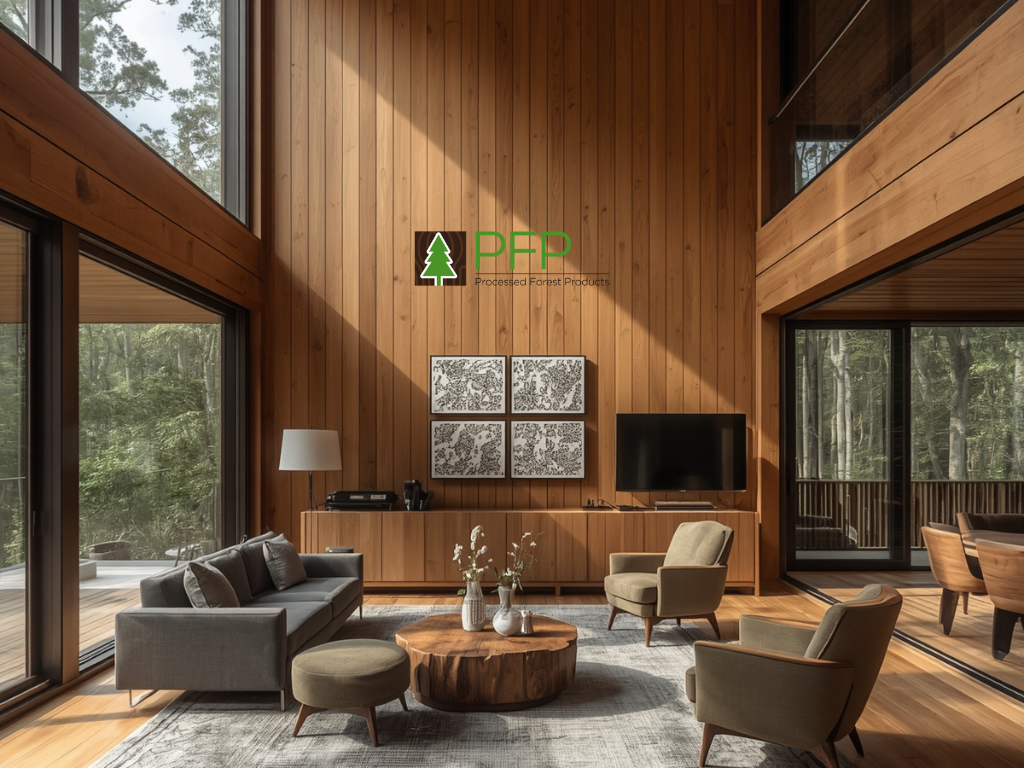
Natural and reconstituted wood veneers
Natural veneer comes directly from a log. It retains the colour, grain and individual features of the tree.
This natural variation gives each project a distinct appearance. However, it can make close matching more difficult across a large group of panels.
The result depends on the timber species, log, cutting method and veneer batch. Even leaves from the same species can display different colours and grain patterns.
Natural veneer may suit projects that celebrate individual timber character. Examples include feature cabinetry, reception counters, furniture and architectural wall panels.
Reconstituted veneer offers a more controlled alternative. Manufacturers create it from wood fibre or veneer that they process into a repeatable colour and grain pattern.
It may suit a project that requires greater visual consistency across many doors or wall sections. It can also offer patterns that would be difficult to obtain consistently from natural logs.
Neither option is automatically more sustainable. Buyers need to examine the material source, manufacturing information, certification and expected service life.
Ask the supplier whether the sample represents current stock. You should also ask how much variation to expect across the order.
For larger projects, review several veneer leaves or finished samples. One small sample may not show the full range of colour and grain.
Veneer, solid timber and decorative laminate
Real wood veneer, solid timber and decorative laminate can all create a timber-style interior. However, they are different materials.
Solid timber components come from full pieces of wood. They may suit furniture, edges, trims and other applications where the design calls for solid material.
Veneer uses a thin layer of real wood over a board substrate. It works well across broad, stable surfaces such as doors, cabinetry, desks and wall panels.
Decorative laminate uses a manufactured surface. A timber-look laminate can copy the colour and pattern of wood, but it does not have a natural timber face.
The term veneer laminate can cause confusion. Some people use it to describe real timber veneer pressed onto a panel. Others may use it for a decorative laminate with a timber pattern.
Always ask what the visible surface contains. Confirm whether it is natural wood veneer, reconstituted veneer or printed laminate.
The right choice depends on the appearance, cleaning needs, expected wear and available budget. Repair options and natural variation may also influence the decision.
A successful wood veneer design should match the material to its use. Choosing veneer only because it looks natural can lead to problems if the substrate or finish does not suit the application.
Look Beyond the Visible Timber Surface
The substrate provides most of the panel’s structure. Common choices include MDF, particleboard and plywood.
MDF has a smooth and consistent surface. It often suits detailed cabinetry, furniture parts and decorative interior panels.
Particleboard also suits many furniture and joinery applications. The available grade and full construction will determine its suitability.
Plywood has a layered structure. Designers may select it for particular fixing, machining or edge-detail requirements.
The Timber Veneer Association of Australia identifies MDF, particleboard and plywood as common substrates. It recommends choosing the substrate according to the panel’s use and location.
Discuss the expected panel size, fixing method and edge treatment with the supplier. Explain whether the surface will sit vertically or horizontally.
You should also mention heat, moisture, sunlight and regular cleaning. These conditions may affect the recommended substrate and coating.
Projects with fire, acoustic, structural or moisture requirements need suitable technical documents. Do not assume the visible veneer determines the performance of the entire panel.
The supplier, designer, joiner and other relevant specialists should agree on the final construction before production begins.
Reviewing adhesives, backing layers and finishes
A complete veneered panel normally includes the decorative face, adhesive, substrate and balancing material. The manufacturer must combine these elements correctly.
Ask what backing material the manufacturer will use. A balanced construction can help reduce the risk of panel movement or distortion.
The adhesive must suit the materials, manufacturing method and intended environment. Project specifications may also include requirements for emissions or other product characteristics.
Request current technical information when these factors matter. Avoid claims such as “non-toxic” or “chemical-free” unless the supplier provides suitable evidence.
The coating protects the timber surface and changes its appearance. It may deepen the colour, highlight the grain or alter the sheen.
A low-contact wall panel may not need the same coating as a reception desk. Kitchen cabinetry, doors and tables may face more handling and cleaning.
Ask the coating supplier or finisher to recommend a system for the intended application. Confirm the cleaning method before choosing the final product.
A suitable finish can support a longer service life. However, no coating removes the need for correct storage, installation and maintenance.
Use Thoughtful Design to Reduce Waste
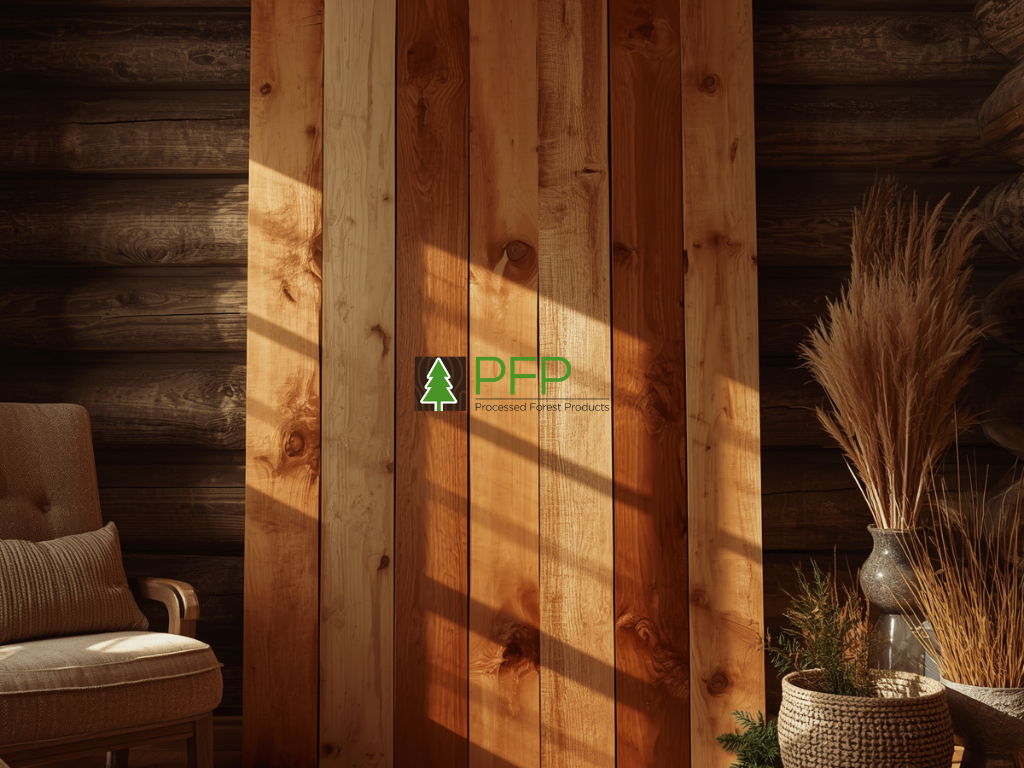
Planning species, cuts and matching methods
Good wood veneer design begins before the manufacturer presses the panels. The designer should first choose the species, cut and matching method.
Crown cutting often creates a flowing grain with cathedral-shaped patterns. Quarter cutting usually produces a straighter appearance.
Rift cutting can create a fine and linear grain. Rotary cutting often produces broader and more varied patterns.
After cutting the leaves, the manufacturer joins them into a layon. Book matching places neighbouring leaves as mirrored pairs. Slip matching arranges them in the same direction.
The best method depends on the design. A strong mirrored pattern may suit a feature panel, while a quieter layout may work better across large areas.
The designer should also decide whether adjoining panels require sequence matching. This can help the grain continue in a planned order across doors or wall sections.
These choices affect the amount of material required. A strict matching pattern may need more veneer than a flexible layout.
Discuss visual priorities early. The supplier may suggest a cut or matching method that supports the design while using the available leaves efficiently.
Confirming panel dimensions and grain direction
Panel dimensions influence the amount of material used during manufacturing and cutting. Confirm the available sheet sizes before completing the final design.
A cabinet or wall module that slightly exceeds a standard panel size may create extra joins or waste. A small design adjustment can sometimes improve the cutting plan.
Veneer leaf dimensions also matter. The leaves need enough length and width to create the required panel appearance.
State all panel dimensions as length by width by thickness. Show the grain direction clearly on drawings and schedules.
Do not assume every person will interpret the order of dimensions in the same way. A grain arrow can prevent mistakes.
Edging also needs early planning. The project may use matching veneer edging, solid timber edging or another compatible treatment.
Ask whether the supplier will provide the edging loose or apply it during manufacturing. The answer may affect the joiner’s work and project timing.
Efficient planning should not come at the expense of appearance or performance. Instead, it should align panel sizes, veneer leaves and cutting requirements before production starts.
Choose the Right Veneer Supplier
Wood veneer suppliers can offer different levels of service. Some supply loose veneer leaves, while others also manufacture complete veneered panels.
Ask whether the supplier can prepare veneer layons, press panels, apply edging or create specialist matching arrangements. You should also discuss custom sizes and short production runs where relevant.
A supplier with in-house manufacturing knowledge may identify problems early. They may notice that the preferred veneer leaves do not suit the proposed panel size.
They may also suggest a different matching method, substrate or cutting plan. This advice can help the designer retain the intended look while improving production.
Forest Products states that it supplies natural and reconstituted timber veneer. Its listed panel substrates include MDF, particleboard and plywood. The company also identifies veneer layons, veneered edging and specialist decorative veneer laying among its manufacturing services.
These capabilities may help architects, joiners, cabinetmakers and furniture manufacturers. However, buyers should confirm the exact service, quantity and production timing for their project.
When comparing wood veneer supplies, make sure each quote covers the same specification. A lower price may exclude edging, matching, certification or panel manufacturing.
Checking samples, documentation, availability and delivery
Ask for a physical sample before selecting the final veneer. For larger projects, request a sample that shows a realistic area of grain and colour.
A finished sample provides more useful information than a raw veneer leaf alone. The coating can change the colour, contrast and sheen.
Check whether the sample comes from the batch available for your project. Natural wood veneers can vary between logs and deliveries.
Forest Products lists FSC and PEFC boards and veneers as a product category current FSC certificate status before publication]. Responsible Wood currently lists Processed Forest Products as holding PEFC chain-of-custody certification for products including boards, panels, plywood and veneer. Its listed expiry date is 1 September 2030.
Certification requirements should still appear on the quote and order. Do not assume every available product carries the same claim.
For Sydney and NSW projects, confirm where the supplier will manufacture or prepare the panels. Ask about collection, delivery, packaging and unloading requirements.
Large timber panels need careful handling and dry storage. Confirm who will protect the panels after they arrive at the workshop or site.
Current stock and production schedules can change. Always confirm availability and lead times for the selected veneer, substrate and quantity.
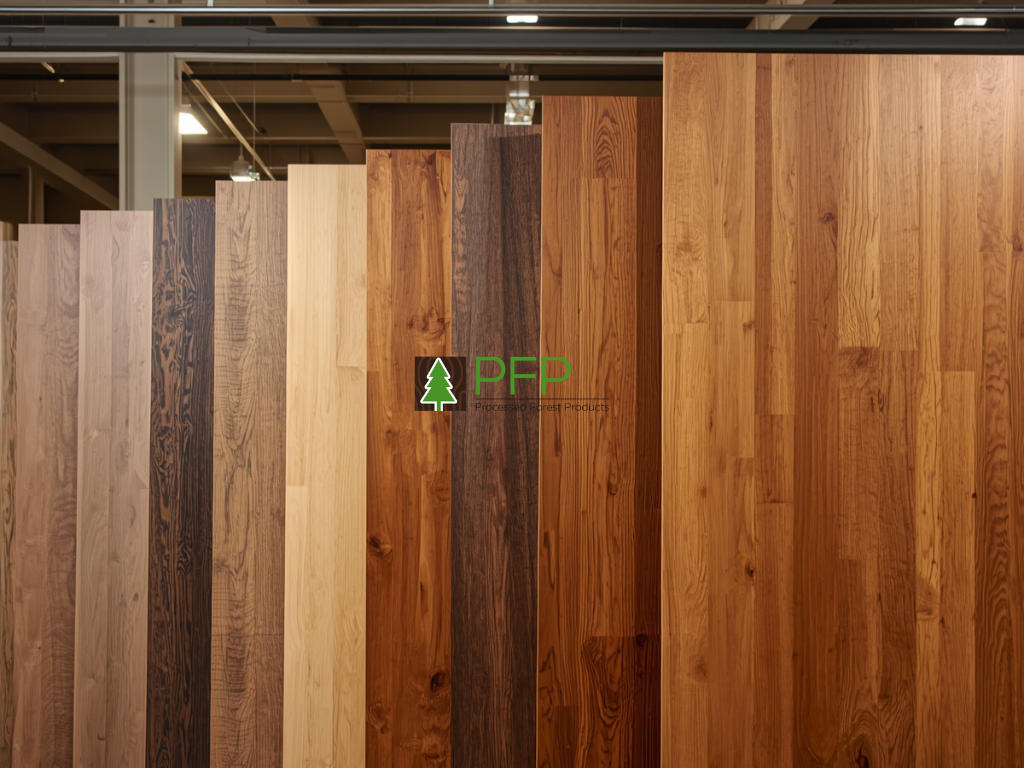
Projects that benefit from early supplier advice
Contact the supplier early when the project involves many matching panels. Large wall areas, reception counters and connected cabinet doors often need careful grain planning.
Early advice also helps with unusual dimensions, curved elements, specialist edging and decorative matching patterns.
Speak with the supplier before completing the drawings when certification forms part of the specification. This gives the supplier time to check the required veneer and substrate.
You should also make contact early when the project needs a specific species or colour. The available veneer batch may affect the final appearance.
Projects with strict delivery dates need early planning. Manufacturing may involve leaf selection, joining, pressing, sanding, edging and sample approval.
The supplier can also help when the design remains flexible. A small change to the panel size or grain direction may improve material use.
Even a straightforward project can benefit from an early product discussion. It is easier to correct a specification before manufacturing begins.
Information to include when requesting a quote
Begin by explaining how you plan to use the panels. State whether the project involves cabinetry, doors, furniture, wall linings or commercial joinery.
Provide the preferred species or a clear visual reference. Include the approximate quantity, finished dimensions and required thickness.
State the preferred substrate if the project team has already selected one. Otherwise, describe the application and ask for suitable options.
Show the required grain direction. Explain whether the panels need book matching, slip matching or sequence matching.
Include any edging, balancing, finishing and certification requirements. Ask the supplier to identify anything that remains outside its quoted work.
Provide the project location and required delivery date. Sydney buyers should include the suburb and any delivery access limits.
When contacting Forest Products, explain which details remain flexible. The team may be able to suggest another available species, panel size or matching arrangement.
A detailed enquiry gives the supplier a better basis for pricing. It also makes quotes easier to compare.
Sustainable veneer should combine responsible sourcing with suitable panel construction and thoughtful design. By checking certification, substrates, finishes and manufacturing details, buyers can make a more informed decision.
Contact the supplier before finalising the order when any product detail remains unclear. Clear advice and documented requirements can reduce mistakes, avoid unsuitable substitutions and support a better finished result.
