

A roof leak can become stressful very quickly.
Water may enter through the ceiling, run near electrical fittings or damage furniture and flooring. Strong winds may also loosen tiles, metal sheets or flashing.
The first priority is personal safety.
Do not climb onto the roof during rain, strong winds or darkness. Damaged roofing materials may move without warning, and wet surfaces can become extremely slippery.
SafeWork NSW identifies falls from roof edges and through fragile materials as major roofing hazards. It recommends competent assessment and suitable fall-prevention controls before roof work begins.
This guide explains what Sydney homeowners can do while waiting for professional help.
Roof damage can look manageable from the ground.
However, the visible problem may not show the full condition of the roof. Water may have weakened materials, and loose components may still be moving.
Stay inside a safe part of the property unless emergency authorities advise otherwise.
Stay Away From the Roof During Dangerous Weather
Do not climb a ladder to inspect or cover the roof during a storm.
Wet tiles and metal sheets can become slippery. Wind can also affect balance or move loose roofing materials.
Fragile skylights and plastic roof sheets create another risk. SafeWork NSW warns that people can fall through these surfaces, especially when their condition is unclear.
Inspect only from a safe location.
You may be able to see missing tiles, fallen branches or lifted sheets from the ground. Avoid standing beneath loose materials or damaged gutters.
Professional roofers may need edge protection, scaffolding or other controls before accessing the area.
These measures take time, but they reduce the risk of serious injury.
Watch for Electrical and Structural Hazards
Water near lights, switches or electrical fittings needs extra care.
Do not touch wet electrical equipment. Keep people away from the affected area and contact a licensed electrician when an electrical hazard may exist.
A sagging ceiling may hold trapped water.
Do not stand beneath it or attempt to push it back into place. Move people and valuable items away if this can be done safely.
Leave the property when you notice major structural movement, falling debris or a partial roof collapse.
Call Triple Zero when there is an immediate threat to life. NSW SES advises people to call 132 500 for emergency help during floods and storms.
Reduce Indoor Water Damage Safely
Once everyone is safe, you may be able to reduce some indoor damage.
Work only from stable, dry floor areas.
Do not enter a room when the ceiling appears unstable or electrical risks remain.
Contain Water Without Entering Unsafe Areas
Place a bucket or another suitable container beneath a drip where it is safe.
Protect the floor with towels or waterproof material. Move furniture, electronics and important documents away from the affected area.
Water can travel through the roof before appearing on the ceiling.
The visible drip may not sit directly beneath the entry point. Avoid cutting into the ceiling or guessing where the leak began.
Do not enter the roof cavity during the storm.
The area may contain electrical wiring, wet insulation, fragile materials or damaged structural components.
A professional inspection can trace the water path when conditions become safe.
Record the Damage for Later Assessment
Take photographs from safe positions.
Capture ceiling stains, dripping water and affected belongings. You may also photograph visible exterior damage from the ground.
Record when the leak started.
Note whether heavy rain, hail or strong wind occurred before the problem. This information can help the roofer understand the likely cause.
Keep receipts for urgent protection or cleaning work.
Also review the insurance policy before authorising major non-emergency repairs. The insurer may require photographs, an assessment or approval before permanent work begins.
Documentation should not delay urgent safety action.
However, clear records can help explain the event later.
Decide Who to Contact First
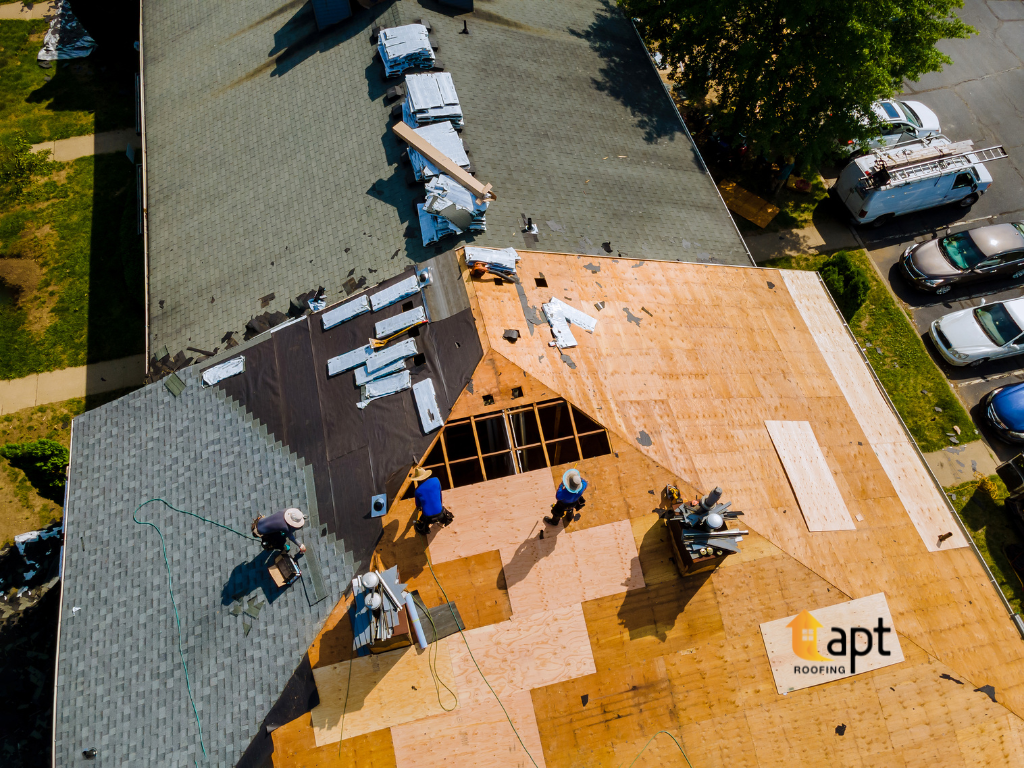
Not every roof problem requires the same response.
Storm emergency assistance, electrical work and professional roofing repair serve different purposes.
Choose the service that matches the immediate risk.
Call Emergency Services When the Property Is Unsafe
Contact NSW SES when storm damage creates an urgent problem that you cannot manage safely.
Examples may include significant roof damage, fallen branches or water entering the property during severe weather.
Stay clear when a tree or large branch strikes the roof. NSW SES warns that the building may have suffered structural damage even when the full extent is not obvious.
Call Triple Zero when someone is injured or in immediate danger.
An electrical emergency may also require a licensed electrician or the electricity network provider.
A roofing company should not be treated as a replacement for emergency authorities when the building is unsafe.
Contact a Roofing Company for Make-Safe and Repair Work
Contact a roofer when water is entering through damaged roofing materials.
Missing tiles, lifted sheets, damaged flashing and broken skylights may also require urgent assessment.
An emergency roof repair Sydney service may first provide temporary make-safe work.
This may involve covering an opening, securing loose materials or reducing further water entry. Permanent repair may follow when the weather and site conditions allow safe access.
APT Roofing publishes urgent roof repairs among its Sydney services. Its broader service range includes roof leak repair, restoration, replacement, guttering and downpipes. Confirm current response availability when making an enquiry.
Understand What Emergency Roofing Work May Involve
Emergency work does not always complete the entire repair.
The first visit may focus on controlling the immediate problem. Further inspection and permanent work may happen later.
Ask the roofer to explain each stage.
Separate Temporary Make-Safe Work From Permanent Repair
Temporary protection aims to reduce immediate water entry.
It may include tarping, securing loose components or isolating a damaged section. The method depends on the roof type and safe access.
Temporary work should not be mistaken for a permanent solution.
A later repair may need replacement tiles, metal sheets, flashing or fixings. The roofer may also need to inspect underlay, battens, timber or drainage.
Weather can affect the timing.
Some materials need dry conditions for correct installation. Strong wind may also make roof access unsafe.
Request written information about what the temporary work covers and what remains outstanding.
Review the Factors That Affect Repair Scope and Cost
A roof leak repair cost cannot be assessed reliably from the size of a ceiling stain alone.
The quote may depend on roof height, pitch and access. Scaffolding or edge protection may also be required.
Material type affects the work.
Tile profiles may need matching, while metal roofing may require new sheets, fasteners or flashing.
Damage hidden beneath the surface may change the final scope.
Water can affect underlay, insulation and timber. A roofer should explain how variations will be handled if new problems appear.
Emergency timing may also affect labour and availability.
Ask for a clear written scope rather than relying on an unsupported fixed estimate.
Choose a Suitable Emergency Roofing Service
Urgency should not remove basic checks.
A homeowner still needs to know who will perform the work and what the service includes.
Clear communication is especially important after a storm.
Check Credentials, Insurance and Safety Procedures
Ask for the contractor’s licence details.
Confirm that the business holds suitable insurance. You can also ask about experience with the property’s roof material.
Safe access matters.
A professional contractor should assess the roof before sending workers onto damaged or fragile areas. SafeWork NSW recommends competent inspection and suitable fall controls for roof work.
Be cautious when someone offers to begin major work without inspecting the roof or explaining safety requirements.
A search for roof repair near me Sydney may produce many businesses. Location alone does not prove suitable qualifications or experience.
Check the company details before approving work.
Compare the Written Scope Instead of Price Alone
Ask whether the quote covers temporary work, permanent repair or both.
Check which roof sections and materials appear in the scope.
The document should state whether disposal, access equipment and related drainage work are included.
Ask about exclusions.
Internal ceiling repairs, electrical work or asbestos removal may require separate services.
Warranty terms should also be written clearly.
Do not compare two prices unless the scopes cover the same work.
One quote may provide only temporary protection. Another may include a full residential roof repair Sydney service.
Know When to Contact APT Roofing
Some roof problems can wait for a scheduled inspection.
Active leaks and storm damage usually need faster attention.
Prompt assessment may reduce further water entry and clarify the next step.
Arrange an Assessment After Leaks or Storm Damage
Contact a roofing company after active water entry.
Also seek an assessment when tiles are missing, metal sheets have lifted or a roof penetration appears damaged.
Repeated leaks require investigation even when each event seems small.
The problem may involve flashing, valleys, underlay or wider deterioration. Continued patching may not address the full cause.
APT Roofing provides roof repair Sydney services for homeowners, strata properties, real estate-managed buildings and insurance-related projects. The company also publishes restoration and replacement among its services.
Confirm whether the current situation falls within its urgent-response service area and availability.
Prepare Useful Information Before Making Contact
Explain where the water appears inside.
State when it started and whether the leak becomes worse during wind-driven rain.
Describe the roof if you know the material.
Mention tiles, corrugated metal, skylights, solar panels or previous repairs.
Provide photographs taken from safe locations.
Also explain access conditions, including locked gates, pets, narrow driveways or strata approval.
Tell the contractor about suspected asbestos materials.
Accurate information can help the company prepare for the visit. It does not replace an onsite inspection.
Prevent the Next Roofing Emergency
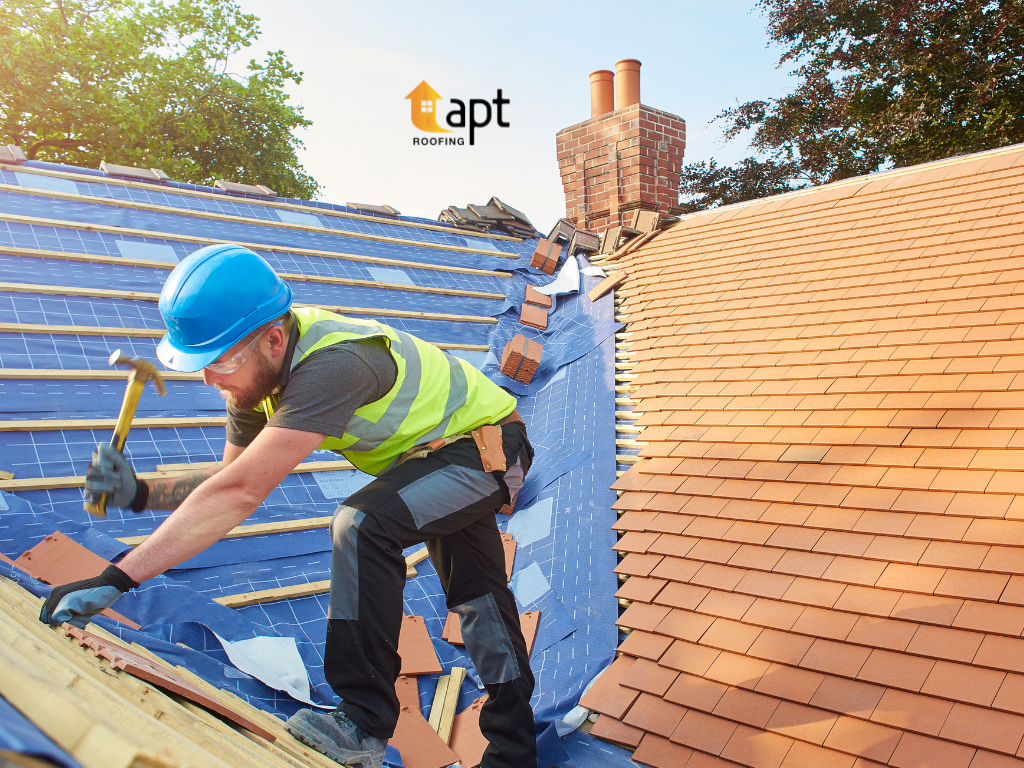
Once the immediate leak is controlled, review the wider roof condition.
Preventive work may reduce the chance of another urgent problem.
It can also identify drainage or material issues before the next storm.
Plan Maintenance After the Immediate Problem Is Controlled
Arrange an inspection of tiles, sheets and flashing.
Fasteners, sealants and roof penetrations may also need attention.
Keep gutters, downpipes and drains clear.
NSW SES recommends repairing existing roof damage and clearing drainage systems as part of storm preparation.
Trim branches that could fall onto the roof.
Use qualified contractors for work that involves roof access or large trees near the building.
Roof maintenance in Sydney should focus on known risk areas rather than cosmetic work alone.
Keep records of inspections and repairs. This history can help identify repeated problems.
Decide Whether Repair, Restoration or Replacement Is Needed
A localised defect may only need repair.
Roof restoration in Sydney may suit a roof that needs broader cleaning, surface work or component renewal while the main structure remains serviceable.
Replacement may become more practical when deterioration is widespread.
Repeated leaks, extensive corrosion or failing materials can affect the decision.
APT Roofing states that it provides repair, restoration and replacement services across Sydney. Ask for a clear explanation of why the recommended option suits the roof’s current condition
