

A cnc punching service and laser cutting can both produce accurate sheet metal components. However, they do not work in the same way.
CNC punching uses physical tools to create holes, slots, notches and other features. Laser cutting uses focused energy to cut the required shape.
The best method depends on the part design, material, thickness, quantity and later fabrication work. A component with many repeated holes may suit punching. A part with a detailed outer profile may suit laser cutting.
Some projects may use both processes.
Choosing the right method at the start can improve production planning. It can also help buyers compare quotes on the same scope.
Both methods follow digital instructions.
The operator prepares the drawing or production file. The machine then follows the programmed path or punching sequence.
The key difference is how the machine creates each feature.
How CNC Punching Forms Sheet Metal Features
CNC punching places sheet metal between a punch and a die.
The punch presses through or into the material. The machine then moves the sheet to the next programmed position.
A turret machine can hold several tools. These tools may create round holes, square holes, slots, notches and other standard shapes.
Suitable tooling may also produce formed features. These can include louvres, knockouts, countersinks or embossing. Exact capability depends on the machine and available tools.
Premier Engineering describes CNC punching as a process used for shapes and repeated features in sheet metal. Its published capability includes turret punching for suitable fabrication work.
CNC punching often suits parts with many repeated holes or vents. Examples include cabinets, panels, guards, trays and shelving components.
How Laser Cutting Creates the Profile
Laser cutting does not use a punch and die for each shape.
Instead, the machine directs focused energy along the programmed cutting path. This allows it to create detailed profiles without matching each feature to a physical punch tool.
Laser cutting may suit complex outlines, curves and frequent design changes. It can also cut profiles that do not match standard turret tools.
However, laser cutting does not automatically replace punching.
A design with hundreds of standard holes may still suit CNC punching. The punching process may complete those features quickly, especially during repeat production.
The supplier should review the complete part. Looking only at the outside shape may lead to the wrong process choice.
Match the Process to the Part Design
The drawing should guide the process decision.
Two parts made from the same material may need different machines. The number, shape and location of features can change the best option.
Start by reviewing the repeated details and the main outside profile.
Choose Punching for Repeated Features and Standard Tooling
Metal punching services can work well when a part contains many repeated features.
These may include ventilation holes, mounting points, cable openings, slots or knockouts.
Standard tools can create these features at programmed positions. This may suit panels, cabinets and industrial covers.
Punching may also combine cutting and selected forming operations. For example, the machine may create a hole and a formed feature during the same setup when suitable tooling is available.
This can reduce the need for extra handling.
The design should still match the tool limits. A feature that looks simple on a drawing may not match an available tool size or shape.
Ask the supplier whether the design uses standard tooling. Custom tooling may change the cost and lead time.
Choose Laser Cutting for Complex or Changing Profiles
Laser cutting can suit detailed shapes that would require many punching hits.
It may also help when the design includes curves, irregular openings or frequent revisions.
The process does not require a separate physical punch tool for every new outline. This can make it practical for prototypes and low-volume parts.
A laser may also produce a cleaner solution for features that do not match standard punch sizes.
However, complex geometry does not always mean laser cutting is the only option.
An experienced fabricator may use a combination of punching and cutting. The final choice should consider machine time, tooling, edge requirements and later fabrication.
Premier Engineering publishes both laser cutting and CNC punching capabilities. This allows its team to review more than one production path for suitable projects.
Consider Material, Thickness and Surface Requirements
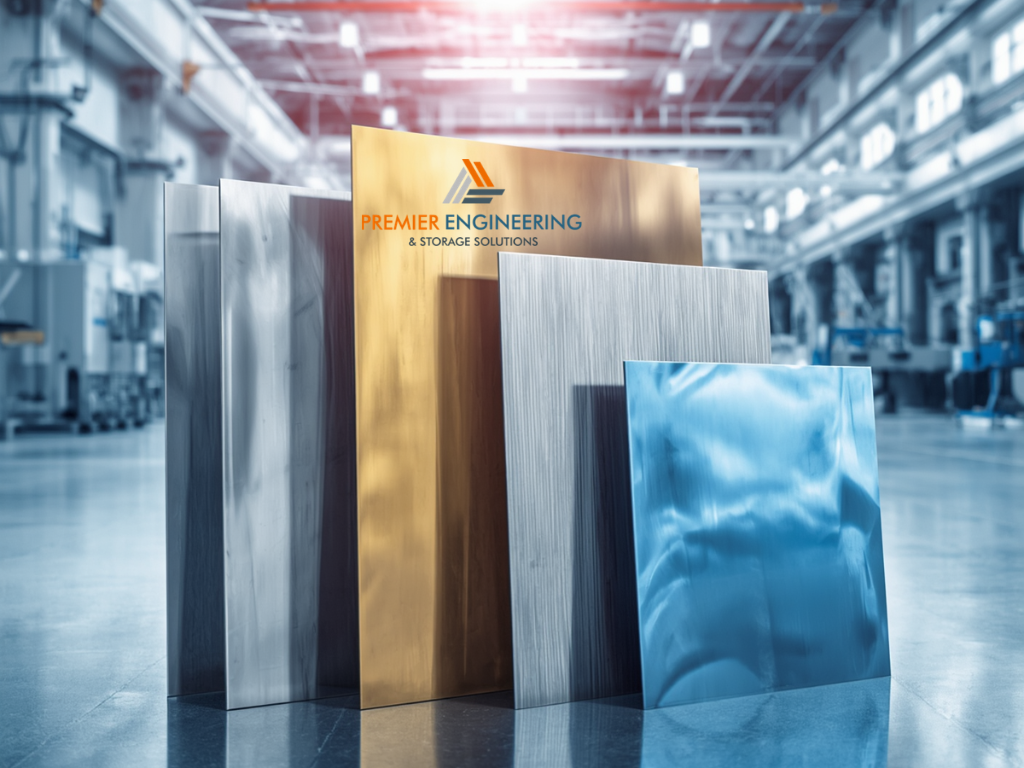
Material affects both punching and laser cutting.
The supplier needs the exact material type, grade and thickness. A description such as “metal sheet” is not enough for a reliable quote.
Surface appearance also matters, especially for visible components.
Confirm Whether the Material Suits the Equipment
Common sheet metal options include mild steel, aluminium and stainless steel.
Each material behaves differently during cutting, punching, bending and welding.
Cnc stainless steel may need different tooling and machine settings from mild steel. Aluminium can also require careful handling because its surface may mark more easily.
Machine capacity varies between suppliers. A company may punch one material at a certain thickness but use another process for thicker or harder sheet.
Premier Engineering’s published CNC punching page states that its equipment can handle mild steel up to 3 mm and sheets up to 2440 by 1220 mm. Buyers should confirm current limits for their exact material, grade and design before ordering.
Do not assume that a published maximum applies to every feature. Small holes, formed details and dense patterns may require separate review.
Review Thickness, Marking and Edge Expectations
Punching places physical tools against the sheet.
This may leave slight witness marks around some features. The result depends on the material, tooling and machine condition.
Visible panels may need protective handling or later finishing.
Laser cutting does not use the same punch contact. However, heat can affect the cut edge or small areas of the part.
The buyer should explain which surfaces remain visible.
Also state whether the part needs simple deburring or a more refined edge finish.
Thickness affects both processes. It influences machine capacity, cutting speed, tool selection and feature size.
A thicker sheet may not suit very small holes or narrow sections. The supplier should review those details before confirming the process.
Compare Cost Across Different Production Quantities
The cheapest process for one part may not be the cheapest for one hundred parts.
Programming, setup, tooling and machine time all affect the quote.
Material use and secondary fabrication also contribute to the total cost.
Understand Setup, Tooling and Machine Time
CNC punching may use standard tools already installed in the turret.
When the part matches those tools, setup can be practical for repeated features.
A custom tool may add cost. It may also require extra lead time.
The number of punching hits matters as well. A detailed profile created through many small hits may take longer than a simpler laser-cut path.
Laser cutting avoids custom punch tools for new profiles. However, cutting time may rise with thicker material or longer cutting paths.
Material nesting also affects cost.
A supplier may arrange several parts on one sheet to reduce waste. Good nesting can improve material use for both cnc cutting services and punching work.
Ask whether the quote includes programming, tooling and sheet layout.
Compare Prototypes With Repeat Production Runs
A prototype allows the buyer to test fit and function.
Laser cutting may suit an early design when the profile may still change. The supplier can update the file without creating a new physical punch tool.
CNC punching may become more attractive for repeat work with stable designs and repeated standard features.
However, no fixed rule applies to every part.
A simple punched panel may suit a small run. A complex punched design with custom tooling may require more volume before the setup becomes worthwhile.
Tell the supplier whether the project may become a repeat order.
This gives the fabricator more context when comparing the available production methods.
Plan Bending and Secondary Fabrication
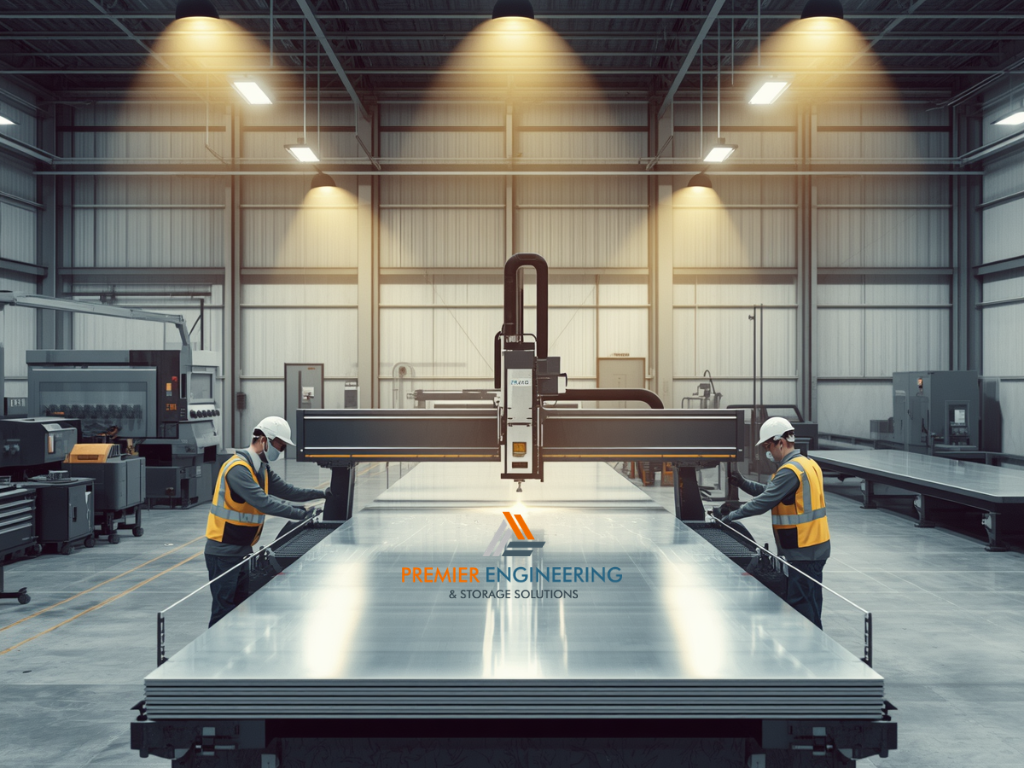
Cutting or punching may be only the first stage.
Many parts also require folding, welding, fastener insertion, coating or assembly.
The chosen process must support these later steps.
Position Features Around Bend Lines Carefully
A metal bending press forms the flat part into its final shape.
Holes or slots placed too close to a bend may stretch or distort during forming.
The flat pattern must also account for material thickness, bend radius and tooling.
Do not place features only from the finished three-dimensional view. Review how the part will look before it enters the press brake.
The fabricator may recommend moving a hole or changing a flange.
Any approved change should appear in the final drawing.
High-precision sheet metal parts require careful control across the full process. Accurate punching alone does not guarantee the final folded dimensions.
Include Welding, Fasteners and Finishing in the Scope
A complete cnc sheet metal fabrication quote should include all required stages.
State whether the part needs welding, tapping, countersinking or fastener insertion.
Also explain the required finish. This may include powder coating, plating, anodising or another treatment.
Coating can affect holes and tight-fitting areas. Threads or contact points may need masking.
Where several parts form one assembly, provide an assembly drawing.
Premier Engineering lists CNC punching, brake press work, welding, prototyping, fastener insertion and finishing support among its broader services. This may help when a project needs several coordinated processes.
Confirm which stages appear in the quote. Do not assume that every secondary process is automatically included.
Know When to Contact the Fabricator
Early advice can prevent design changes after production begins.
This is useful when the part includes unusual features or several manufacturing stages.
Contact the supplier before finalising the drawing when important questions remain.
Seek Advice Before Finalising the Design
Ask for a design review when the part has many closely spaced holes.
The same applies to small features, narrow sections and formed details.
Advice may also help when the material or thickness is unfamiliar.
A fabricator can compare punching with an industrial steel cutting machine or laser system. The supplier may also suggest a mixed production method.
Complex bends require early review too. A feature that punches well may sit too close to a later fold.
Premier Engineering may be useful where a project needs Metal punching services and related fabrication support. Its Ingleburn location also makes it relevant for businesses in south-western Sydney and the Macarthur area.
Provide Complete Information for a Useful Quote
Send the latest drawing and production file.
Include the material type, grade and thickness.
State the required quantity and whether future repeat orders are likely.
Mark critical dimensions and tolerances.
Explain all secondary work, including bending, welding, fasteners and finishing.
Add the required delivery date and location.
Ask whether the supplier needs a sample, three-dimensional model or assembly drawing.
Clear information allows the supplier to compare punching, laser cutting and other cnc cutting services more accurately.
Choose the Right Service and Approve Production
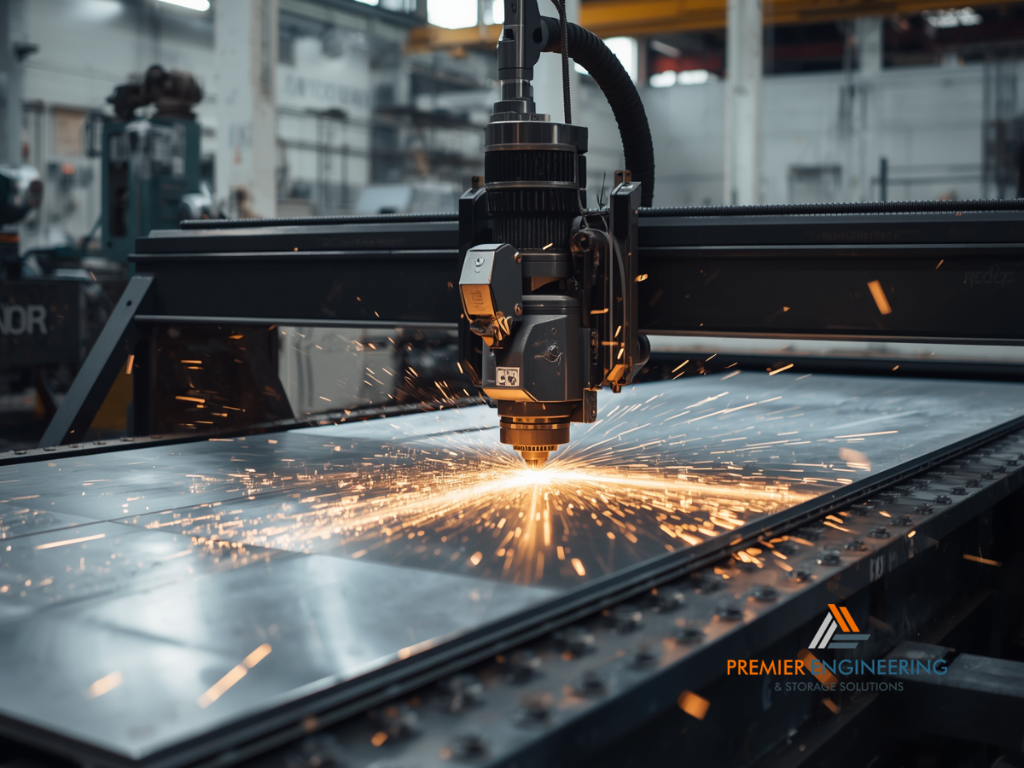
A suitable supplier should match the full manufacturing need.
Do not compare quotes by unit price alone.
One quote may include material and bending. Another may cover punching only.
Compare Suppliers on More Than the Cutting Rate
Ask which materials and thicknesses the supplier can process.
Confirm the available tools and whether custom tooling is needed.
Check whether the company can review drawings before production.
Quality control should also appear in the discussion. Ask how the supplier checks critical holes, dimensions and part quantities.
Repeat-order control matters for ongoing work. The supplier should use clear part numbers and drawing revisions.
Premier Engineering provides CNC punching together with laser cutting, brake press forming, welding and other fabrication services. This may reduce handovers when a project requires more than one process.
The exact machine, tooling and production scope should still be confirmed for each job.
Approve the Final Drawing and Process
Review the final drawing before manufacturing begins.
Check the part number, revision and material.
Confirm the thickness, quantity and selected process.
Make sure every bend, hole and formed feature appears correctly.
Any verbal change should be added to the drawing.
A prototype or first-part approval may help when fit and appearance are critical.
Keep the approved revision for repeat orders.
For a project review, provide Premier Engineering with the drawings, quantities, materials and full fabrication scope. This gives the team a clearer basis for recommending punching, laser cutting or a combined process.
Useful internal links may connect this article with pages covering CNC punching, laser cutting, CNC brake press forming, welding, prototyping and quotation requests.
