

Choosing a sheet metal supplier involves more than finding a workshop with a punching machine. The service must suit your part design, material, thickness, quantity, tolerance requirements and any fabrication needed after the sheet has been punched.
Metal punching services are commonly considered for panels, brackets, covers, guards, cabinets and other sheet components containing holes, slots or repeated features. However, the process is not automatically suitable for every design. Some parts are better produced through laser cutting, machining, sawing or a combination of manufacturing methods.
Before requesting a quotation, it helps to understand how CNC punching works, what information the supplier needs and which questions can prevent avoidable production problems.
The most suitable production method depends on what the part must do. A simple cover panel does not necessarily require the same level of dimensional control as a fitted machine component or an enclosure containing aligned mounting points.
Start by considering the complete job rather than the flat sheet alone. The part may need to be bent, welded, coated or assembled after punching, and those later stages can affect the original design.
Clear project information allows a supplier to review the part properly and explain whether punching is practical.
Clarify the part, application and order quantity
Describe where the finished part will be used and how it connects with other components. Important details may include whether the part is structural, decorative, exposed to weather, fitted inside equipment or installed where appearance matters.
The supplier should also know the required quantity. A one-off prototype may need a different manufacturing approach from an ongoing order involving hundreds of repeated parts.
A CNC punching service may offer practical benefits when the design contains repeated holes, slots or standard shapes. Punching can create features by forcing a shaped tool through sheet material and into a matching die. The process can also be used for blanking and certain formed features, depending on the equipment and tooling.
However, quantity alone should not determine the method. Tool availability, setup requirements, sheet utilisation and later fabrication stages must also be considered.
Prepare accurate drawings and specifications
A complete digital drawing is usually more useful than a photo or basic sketch. It should show the overall dimensions, hole locations, slot sizes, cut-outs and any edges that will later be bent or joined.
Include the material type, grade and sheet thickness. If those details have not been decided, explain the intended application so the fabricator can discuss practical options.
Critical tolerances should be shown clearly. Avoid applying an unnecessarily tight tolerance to every dimension because that may increase inspection requirements or require secondary work that the part does not actually need.
The file should also include a drawing number and revision. This is especially important for repeat production because an outdated file can result in parts being manufactured to an earlier design.
Before sending the drawing, check for duplicate lines, open shapes, incorrect scale and conflicting dimensions. The supplier should confirm which CAD file formats it accepts.
Confirm That CNC Punching Suits the Design
CNC punching uses programmed machine movements to position the sheet and create features with punches and dies. The machine may hold several tools so different hole and slot shapes can be produced during the same program.
This method can work well for many sheet metal parts, but the suitability depends on geometry, thickness, quantity and tooling.
A useful supplier should explain why the method suits the project rather than simply recommending the equipment available in its workshop.
Identify features that work well with punching
Parts containing repeated round holes, square openings, ventilation patterns and standard slots may be suitable for punching. The machine can repeat programmed features across a sheet while maintaining a controlled pattern.
This can be useful for electrical cabinets, equipment panels, guards, perforated sections and components that need regular mounting points.
Punching can also create some formed features rather than only cutting through the sheet. Depending on the available tooling, this might include louvres, knockouts or countersunk forms.
These capabilities must be confirmed with the supplier because machines, turrets and tool libraries vary.
Standard tooling may simplify production because an existing punch and die can be used. A non-standard shape may require special tooling or a different cutting process.
Recognise when another cutting process may be better
Punching may not be the best choice when a part contains long curved edges, highly detailed profiles or shapes that do not match available tools.
Some complex contours can be created through nibbling, where a series of overlapping punches forms the edge. However, this can leave a different edge appearance from a continuous laser cut.
Very thick material may also fall outside the suitable range of the punching equipment. Machine capacity, tool size and material strength must be checked for each job.
Laser cutting may be more practical for detailed external profiles, irregular shapes or designs that change frequently. Machining may be needed where the part requires closely controlled bores, threads or three-dimensional features.
For this reason, buyers should compare the complete range of CNC cutting services rather than choosing a process based only on its name.
Select the Right Material and Thickness
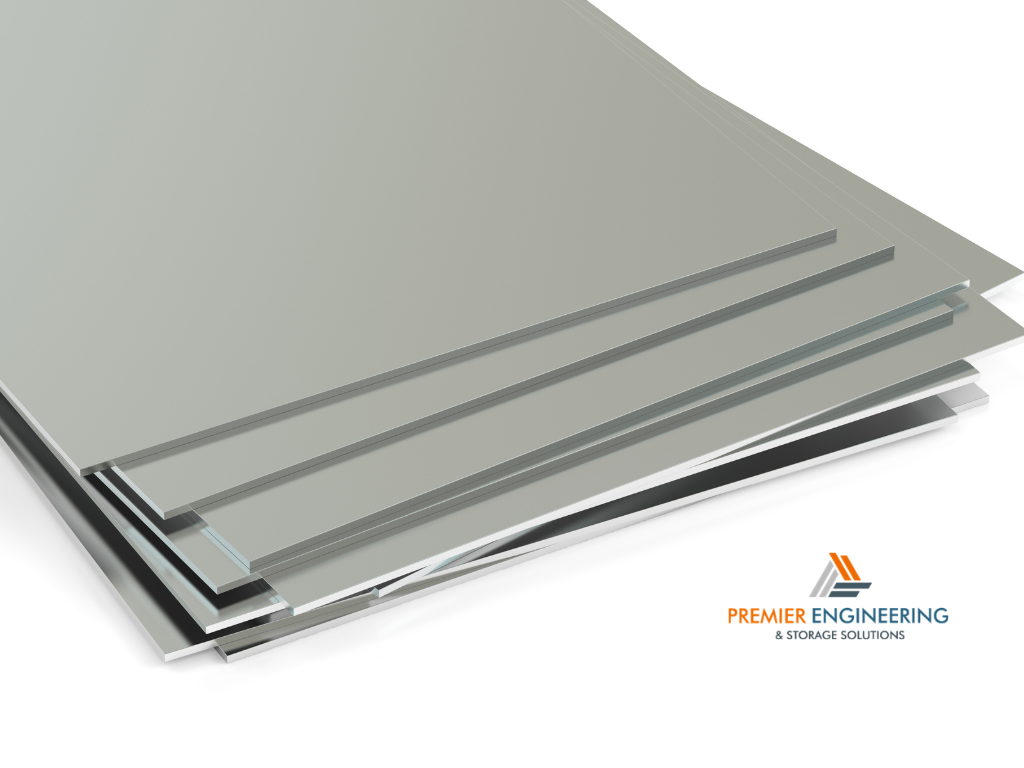
Material choice affects punching force, tool wear, edge quality, part flatness and the suitability of small features.
The supplier must know the exact material specification before production because two sheets that look similar may behave differently during cutting and bending.
The selected material should also suit the part’s environment and intended service life.
Compare common sheet metal options
Mild steel is used across many fabricated products, but the appropriate grade and thickness depend on the application.
Stainless steel may be selected where corrosion resistance, hygiene or appearance is important. CNC stainless steel work should be reviewed carefully because the material grade, surface finish and sheet condition can affect handling and fabrication.
Aluminium may be used when lower weight or corrosion resistance is required, although its grade and temper can influence punching and bending behaviour.
The fabricator should confirm whether its machine can process the selected material and thickness. Capability should never be assumed from a general statement that the company offers metal punching services.
Where material certification or traceability is required, include this in the quote request. The supplier should confirm what documentation can be provided.
Consider surface condition and final use
Visible surfaces may need additional protection during handling and production. Stainless steel or coated aluminium sheets, for example, may be supplied with a protective film.
Tell the supplier which side will remain visible after assembly. This helps with sheet orientation, burr direction, protective handling and the placement of markings.
Surface condition also matters when the part will be powder coated, painted, welded or installed without further finishing. Scratches, oil, oxide or protective film may need to be addressed before the next manufacturing stage.
Customer-supplied material should be identified clearly. Confirm that it is flat, correctly graded and suitable for the equipment before delivering it to the workshop.
Understand Tooling, Tolerances and Finished Quality
Punching relies on the relationship between the punch, die, material and machine settings. As the tool enters the sheet, it shears the material and produces a slug that passes through the die.
The finished edge may show a rollover area, a smoother sheared section and a fractured section. A burr may also remain on the exit side.
These characteristics are normal parts of the process, but they should be considered when the edge is visible or must fit closely with another component.
Ask how tooling affects the punched features
A workshop may already hold standard round, square, rectangular and slot tools. Using an existing size may be more practical than specifying a slightly different dimension that needs special tooling.
For example, a designer may specify an unusual hole diameter even though a nearby standard tool size would still meet the functional requirement. Discussing this before the drawing is finalised may simplify production.
Special tooling can be appropriate for ongoing orders or features that cannot be created another way. However, the quote should explain whether tooling manufacture, tool setup or maintenance is included.
Tool condition should also be managed because worn tooling can affect burr formation and feature quality. Ask how the supplier controls tool maintenance and inspects finished parts.
Define critical tolerances and edge requirements
Not every dimension requires the same tolerance. Identify the holes, slots or edges that influence fit, alignment and performance.
A clearance hole for a general fastener may allow more variation than a locating feature that positions two parts during assembly.
Where very close dimensional control is required, the fabricator may recommend punching the feature undersize before drilling, reaming or machining it to the final dimension.
Also discuss burr direction. If the punched surface will be handled, assembled against another component or left visible, deburring may be required.
Flatness should be considered where the part contains many closely spaced features or narrow sections. Punching forces can affect thin or lightly supported material, so the supplier should review designs where distortion would create a problem.
Compare Punching With Other CNC Cutting Services
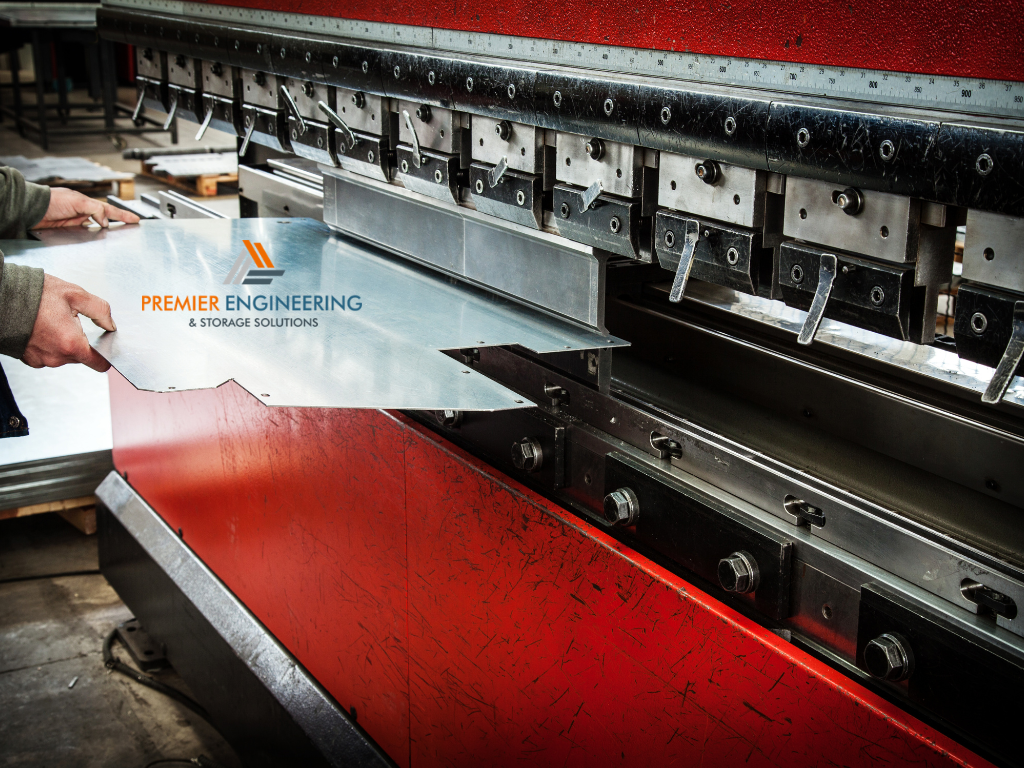
Punching should be assessed as one option within the wider sheet metal manufacturing process.
A project may use punching for repeated holes, laser cutting for an irregular outer profile and a metal bending press to create the final form. Another part may be manufactured entirely through one process.
The most practical method is the one that meets the design, quantity, finish and budget requirements without creating unnecessary work later.
Review CNC punching against laser cutting
CNC punching physically removes material with tools, while laser cutting follows a programmed path using a focused heat source.
Punching can be useful for repeated standard features and parts that need forms created with specialised tooling. Laser cutting can be useful for irregular profiles and shapes that would otherwise require nibbling or special punches.
A CNC punching machine can carry multiple tools in a turret, allowing the programmed system to select different punches as the sheet is processed. Punching is generally less flexible than laser cutting for compound shapes but can be effective for repeated features.
Neither process should be described as universally faster, cheaper or more accurate. The result depends on the drawing, material, quantity, tool availability, machine capability and required finishing.
A good quotation may compare both options where the design could reasonably be produced either way.
Plan bending and fabrication from the beginning
Flat parts often become three-dimensional components through bending. The position of every hole and slot should therefore be reviewed in relation to the future bend lines.
A feature placed too close to a bend can distort during forming. The required clearance depends on the material, thickness, bend radius, tooling and bend direction.
The flat pattern must also allow for the way the material changes through bending. Accurate bend allowances are important when several formed sections must align during welding or assembly.
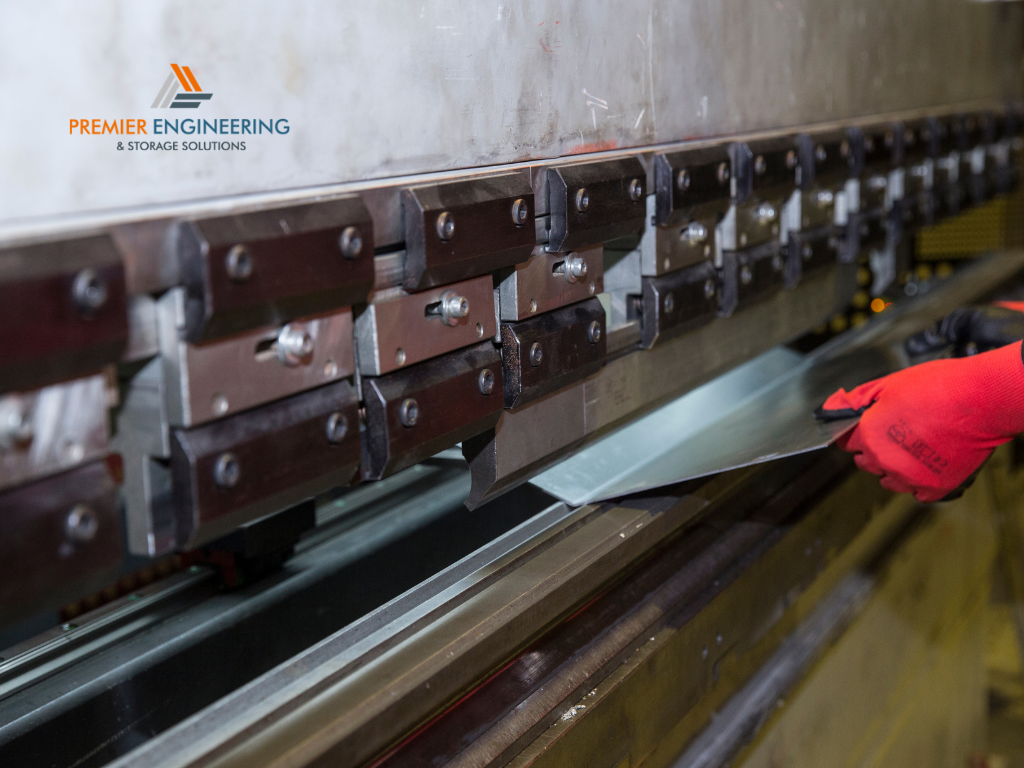
A metal bending press, often called a press brake, uses a punch and die to form sheet metal. The tooling, die opening, material and machine control all affect the resulting bend.
Where a supplier is completing both punching and bending, provide the finished component drawing as well as the flat pattern. This gives the fabricator more context when checking the design.
Choose a Supplier With the Right Capabilities
The presence of an industrial steel cutting machine does not by itself confirm that a supplier can complete your job.
Equipment capacity, tooling, material handling, technical review, quality controls and secondary fabrication all matter.
The right supplier should also communicate clearly when information is missing or when a different process may suit the part better.
Review equipment, fabrication and production support
Ask what sheet sizes, material grades and thicknesses the punching equipment can handle. Also confirm the types of standard and specialised tooling available.
Where the job involves more than flat components, review the supplier’s wider CNC sheet metal fabrication capabilities. These may include laser cutting, bending, welding, tapping, countersinking, assembly and surface finishing.
Premier Engineering may be considered when a project requires metal punching together with related engineering and fabrication support. Its exact machine capacity, material range, tooling and available secondary processes should be confirmed for each project.
For high-precision sheet metal parts, ask how critical dimensions are checked and what inspection records are available. Any required quality documentation should be agreed before the order is placed.
Compare quotations and communication
A complete quotation should make the included scope clear. It may cover material supply, programming, setup, tooling, punching, deburring, bending, welding, finishing, packaging and delivery.
Check whether special tooling is charged separately and who owns the tool after it has been manufactured.
Lead time should be confirmed against the complete production sequence. The punching stage may be quick, but the overall delivery date can also depend on material availability, bending, welding, coating and external processing.
When comparing suppliers in Sydney or Western Sydney, location can be useful for collection, delivery and production discussions. However, proximity should not replace the need for suitable equipment and experience.
Clear communication is especially important for repeat work. Ask how drawing revisions are stored, approved and linked to future orders.
Know When to Contact a Metal Fabrication Company
You do not need to complete every design decision before contacting a fabricator.
Early technical feedback can help identify unsuitable feature sizes, unnecessary special tools or problems that may appear during bending.
This can be particularly valuable when a project is moving from a prototype into regular production.
Request advice before finalising difficult parts
Contact a supplier before finalising the drawing when the part contains small holes, narrow slots, dense perforation patterns, special forms or features close to bend lines.
Advice may also be useful when choosing between mild steel, aluminium and CNC stainless steel production.
Where punching and laser cutting both seem possible, ask the supplier to compare the processes using the actual drawing and expected quantity.
It is also worth making contact early when parts must align with existing equipment. Photos can provide context, but measurements and controlled drawings are still needed for production.
Any recommended design change should be reviewed by the person responsible for the part’s function and safety.
Send complete details when requesting a quote
Provide the CAD file, dimensioned drawing, material grade, thickness, quantity and required delivery date.
State which tolerances are critical and explain whether the part will be bent, welded, coated or assembled. Include any burr, surface protection, inspection, packaging or material certification requirements.
Where a sample or prototype is needed before the full run, explain the approval process and expected future quantity.
Premier Engineering can be contacted to discuss metal punching services, cnc cutting services and related fabrication requirements. A complete enquiry will make it easier to assess the design, identify missing information and prepare a quotation based on the actual project scope.
Choosing the right service comes down to process suitability, clear drawings, appropriate materials and a supplier that understands the full production sequence. By reviewing these areas before ordering, buyers can make a more informed comparison and reduce the risk of avoidable revisions.
Useful internal linking opportunities include the CNC punching service page, laser cutting page, press brake bending page, sheet metal fabrication page, welding services page, engineering capabilities page and quote request page.
