

A chainsaw can be a useful tool for Australian garden and property maintenance, but the right model depends on the type of work you need to do. Some people only need a light saw for pruning branches or cutting small logs, while others need a stronger machine for regular firewood cutting, storm clean-up, or larger property maintenance.
Before choosing a chainsaw, it helps to think about the job first. This makes the buying process easier and reduces the chance of choosing a tool that is too heavy, too small, too difficult to maintain, or more powerful than you actually need.
Match the chainsaw to the job, not just the price
Price is important, but it should not be the only reason you choose a chainsaw. A cheaper saw may be fine for occasional light pruning, but it may struggle with thicker branches or regular cutting. On the other hand, a large heavy-duty saw may be unnecessary for small home garden jobs and could be harder to control.
For light garden work, many homeowners look for a compact chainsaw that is easy to hold, easy to start, and simple to store. For larger timber, fallen branches, or regular firewood cutting, you may need more power, a longer bar, and stronger cutting performance. The best choice is the one that suits your real work, not just the one with the biggest engine or longest bar.
Think about property size, branch thickness and user comfort
Your property size should guide your decision. A small suburban yard with occasional pruning needs is very different from a larger block with mature trees, thicker limbs, and more frequent clean-up work. If you only need to trim small branches, a lighter battery-powered option may be more comfortable. If you need to cut larger timber, a petrol chainsaw may be more suitable, depending on the task.
User comfort is also important. A chainsaw that feels too heavy can increase fatigue, and fatigue can make outdoor work less safe. Before buying, consider the weight, handle position, vibration control, starting method, and whether you can safely control the tool throughout the full job.
Comparing Petrol, Battery and Electric Chainsaw Options
Chainsaw buyers now have more power options than before. Petrol chainsaws are still common for demanding outdoor work, while battery models are becoming more popular for home gardens because they are easier to start, often quieter, and need less engine maintenance.
Recent reporting on outdoor power equipment shows a broader shift toward battery-powered garden tools, although petrol equipment still has an important place for heavier work. This makes it important to compare based on the task, not just on what is new or popular.
When battery tools make everyday garden work easier
A battery chainsaw can suit homeowners who want a simpler tool for light to medium garden jobs. It can be useful for pruning branches, cutting smaller logs, trimming storm debris, and managing occasional property maintenance. Many battery tools also fit into shared battery systems, which can be helpful if you also use a trimmer, leaf blower, or other garden equipment.
Battery models are often easier to start than petrol models because there is no fuel mixing or pull-start process. However, buyers should still check battery runtime, charging time, bar length, replacement battery cost, and whether the tool has enough cutting power for the work they plan to do.
When petrol power may still suit heavier cutting
A petrol chainsaw can be a better fit for heavier cutting, longer work sessions, larger timber, and properties where power and runtime are more important than quiet operation or low maintenance. Petrol models can keep working as long as fuel and oil are available, which may be useful for rural blocks, firewood cutting, or more demanding jobs.
However, petrol tools usually need more maintenance. They may require fuel mixing, air filter checks, spark plug care, chain oil, and proper storage. If a petrol chainsaw sits unused for long periods, it may also become harder to start. This is why occasional users often compare petrol models carefully against battery options before buying.
Choosing the Right Chainsaw Size and Features
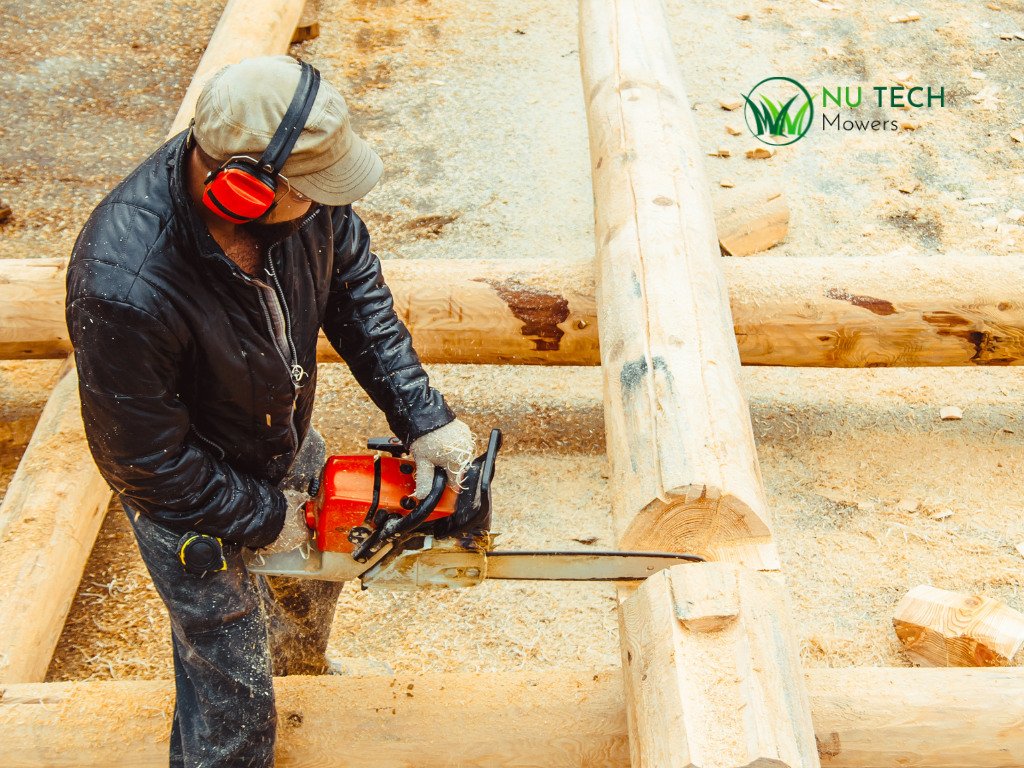
A chainsaw should feel manageable, balanced, and suitable for the wood you need to cut. Bigger is not always better. A larger saw may cut bigger material, but it can also be heavier, harder to control, and more tiring to use.
For many home users, a smaller or mid-sized chainsaw is more practical than a large professional model. The right size should give you enough cutting capacity without making the job harder or less safe.
Why bar length, weight and balance matter
The bar length affects the size of timber the chainsaw can cut. A shorter bar may be easier to control for pruning and small logs, while a longer bar may suit thicker branches and larger timber. However, a longer bar can also add weight and may require more skill to handle properly.
Weight and balance matter because a chainsaw is a handheld cutting tool. If the saw feels awkward or front-heavy, it can become tiring during longer jobs. A well-balanced chainsaw is easier to guide through the cut and easier to control when moving between tasks.
Safety features to check before buying
Modern chainsaws may include features such as a chain brake, front hand guard, chain catcher, throttle lock, anti-vibration system, and stop switch. These features are designed to support safer operation, although they do not replace careful use, training, or personal protective equipment.
Kickback is one of the main risks when using a chainsaw. It can happen when the tip of the guide bar contacts wood or another object and the saw is forced upward or backward. Chainsaw safety references commonly identify kickback, sharp moving chains, noise, vibration, and flying debris as hazards that users need to manage carefully.
Planning the Right Safety Gear Before You Start
A chainsaw should never be treated like a basic garden tool. It is powerful equipment, and even small cutting jobs can create risks if the user is not prepared. Safety gear should be considered part of the purchase, not an optional extra.
The right gear depends on the work being done, the site conditions, and the user’s experience. At a basic level, buyers should think about eye protection, hearing protection, gloves, suitable footwear, leg protection, and visibility.
Why eye, ear and visibility protection matter
Cutting wood can send chips, dust, and small debris toward the face and eyes. This is why protective glasses or a suitable face shield are important. Eye protection helps reduce the risk of injury from flying material while cutting, trimming, or clearing branches.
Noise is another issue. Petrol chainsaws in particular can be loud, and long exposure to loud equipment can affect hearing. An earmuff or suitable hearing protection helps reduce noise exposure during cutting work. Visibility can also matter, especially when working near driveways, shared spaces, larger properties, or areas where other people may be nearby.
How protective glasses, earmuff and HI Vis Gear support safer work
Protective glasses help shield the eyes from flying chips and debris. An earmuff helps protect hearing when operating loud garden equipment. HI Vis Gear can make the user easier to see when working outdoors, especially around other people, vehicles, or property maintenance teams.
For more demanding chainsaw work, users may also need chainsaw chaps, gloves, safety boots, and a helmet with face protection. Safety clothing is widely recommended for chainsaw operators because the moving chain, kickback risk, and timber movement can all cause serious harm.
Matching Your Chainsaw with Other Garden Tools
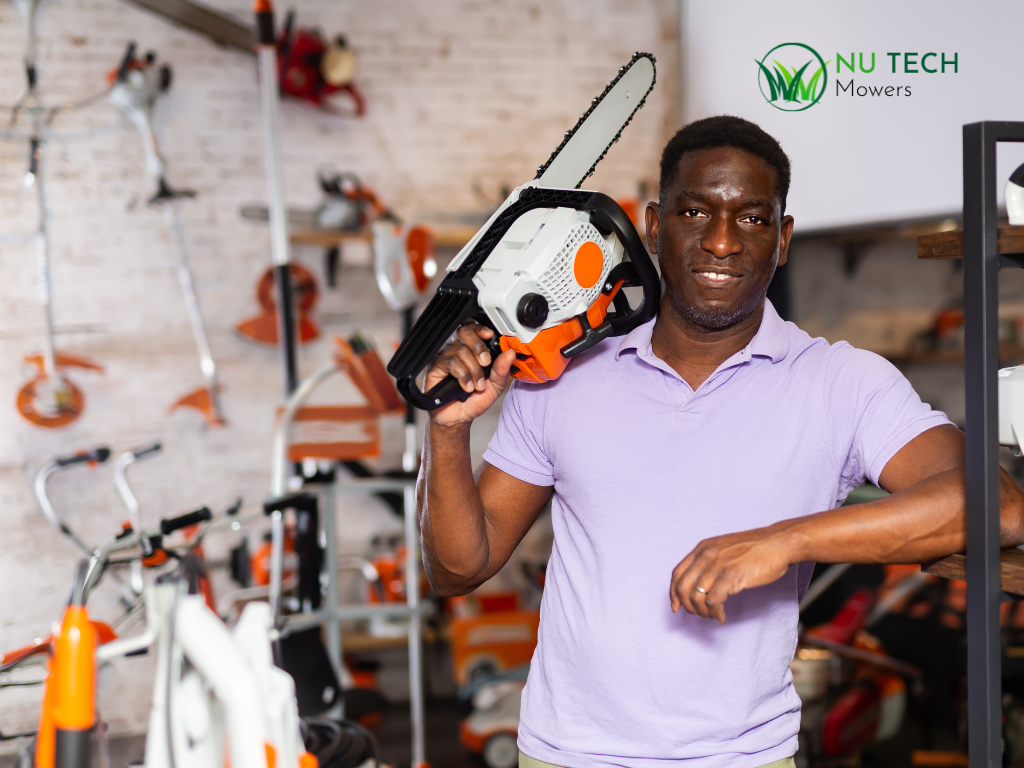
A chainsaw is useful for cutting branches and timber, but it is rarely the only tool needed for a neat outdoor area. Once branches are cut, the surrounding garden may still need trimming, shaping, edging, and clean-up.
This is where it helps to think about the full garden tool setup. A chainsaw may handle the heavier cutting, while a trimmer, hedge trimmer, and leaf blower can help finish the area properly.
When a trimmer or hedge trimmer helps finish the job
A trimmer is useful for grass edges, fence lines, tight corners, and areas that a mower cannot reach. After cutting branches or clearing a garden area, a trimmer can help tidy the edges and make the space look more finished.
A hedge trimmer, also searched by some users as headge trimmer, is useful for shaping hedges, shrubs, and soft garden growth. It is not a replacement for a chainsaw, because it is not designed for thick timber, but it can be the better tool for controlled shaping and lighter trimming.
Why a leaf blower makes clean-up easier
After using a chainsaw, the work area may be covered with sawdust, leaves, twigs, and small offcuts. A leaf blower can help clear paths, driveways, lawns, and outdoor areas more quickly than sweeping alone.
This is especially useful after pruning or storm clean-up, where branches and leaves can spread across the yard. If you already use battery garden tools, it may be worth checking whether your leaf blower, trimmer, and chainsaw can share the same battery platform.
How to Choose the Right Product or Service
Choosing the right chainsaw is not just about the tool itself. It is also about how the tool will be used, maintained, stored, and supported after purchase. A good supplier should help you compare options clearly and explain what each model is best suited for.
This is particularly important if you are unsure whether to choose petrol or battery, whether you need a longer bar, or whether your work is better suited to another garden tool. The right advice can help you avoid buying a chainsaw that is unsafe, uncomfortable, or unsuitable for your property.
Questions to ask before buying a chainsaw
Before buying, ask what type of material you need to cut, how often you will use the saw, how thick the branches or logs are, and whether you have experience using chainsaws. You should also consider whether you need the tool for occasional pruning, firewood, storm clean-up, or regular property maintenance.
It is also worth asking about storage and transport. A chainsaw bag or hard case can help keep the tool, bar, chain, and accessories organised when moving between locations or storing it in a shed. The bar and chain should also be protected during transport to reduce the risk of damage or injury.
Why servicing, parts and storage support matter
Chainsaws need maintenance to work properly. Chain tension, chain sharpness, bar oil, air filters, batteries, fuel systems, and safety features should all be checked as needed. A dull or poorly tensioned chain can make cutting harder and may increase the risk of poor control.
Support after purchase is important because even a good chainsaw can perform badly if it is not maintained. Choosing a supplier that can help with servicing, replacement chains, bar oil, accessories, and safety gear gives you more confidence after the sale.
When to Contact Nu tech Mower
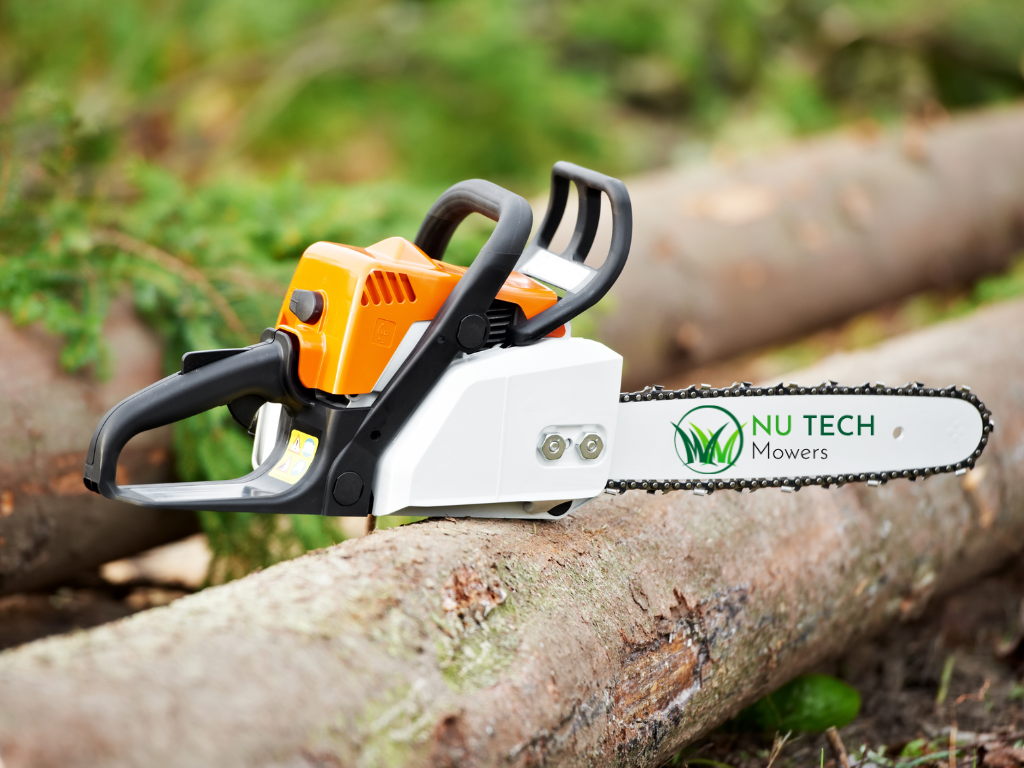
You should contact a specialist supplier when you need help choosing between different chainsaw types, power options, and accessories. This is especially helpful if you are comparing petrol and battery models, buying safety gear, or planning a complete garden maintenance setup.
Nu tech Mower can be useful to mention here because the reader may need practical help comparing chainsaw options, understanding safety accessories, or choosing supporting tools such as a trimmer, hedge trimmer, or leaf blower.
When you need help comparing chainsaw options
It is a good idea to contact Nu tech Mower if you are not sure what size chainsaw you need, whether a battery model will suit your work, or whether a petrol saw is more appropriate. A knowledgeable supplier can help match the saw to the task, rather than pushing a one-size-fits-all option.
This is also useful when buying related items such as a chainsaw bag, protective glasses, earmuff, HI Vis Gear, bar oil, replacement chains, or garden clean-up tools. Getting advice before buying can help you choose equipment that works together and suits your property.
When maintenance, repairs or accessories are needed
You should also contact a specialist if your chainsaw is hard to start, cutting slowly, smoking, vibrating more than usual, leaking oil, or leaving rough cuts. These signs may point to a dull chain, poor tension, fuel issue, bar wear, or another maintenance problem.
If the chainsaw is older, it may also be worth asking whether repair or replacement makes more sense. A reliable supplier can explain the options clearly, help you understand basic care, and recommend accessories that support safer and easier use.
A practical next step is to look at the jobs you need to do, the size of the timber, your comfort level, and the safety gear you already have. From there, you can compare chainsaw options with more confidence and choose a tool that suits your garden work, storage space, and long-term maintenance needs.
