

Mobility aids can make a major difference when daily movement becomes difficult because of ageing, disability, injury, surgery, illness, balance concerns, or reduced strength. Simple activities such as standing up from a chair, walking to the bathroom, moving through the hallway, or getting in and out of bed can become harder without the right support.
For families and carers looking for mobility aids parramatta, the main goal is often practical. They want to find equipment that helps a person move more safely at home, stay comfortable, and maintain as much independence as possible. In many cases, the need is not only about one product. It may involve several forms of support across the home, including walking aids, bathroom aids, bedroom supports, transfer equipment, and daily living products.
This is why it is important to understand the person’s routine before buying. A mobility aid should match how the person moves, where they need support, who assists them, and what risks exist in the home. A product that works well for one person may not be suitable for another, especially if their strength, balance, height, or home layout is different.
The Right Support Can Improve Safety and Confidence
The right mobility equipment can support safer movement and reduce strain for both the user and the carer. It may help the person feel more confident when walking, standing, sitting, or transferring between surfaces. It may also help carers provide support with less physical stress.
Assistive technology is commonly used to help people perform activities of daily living, including mobility, toileting, bathing, dressing, grooming, and eating. In home care situations, this can include practical healthcare equipment such as walking frames, wheelchairs, transfer aids, bathroom supports, commodes, shower chairs, and comfort products.
However, no product should be treated as a guaranteed safety solution. Mobility aids can support safer routines, but they must be suitable for the person and used correctly. If the person has a high fall risk, complex health needs, or difficulty transferring, advice from an occupational therapist, physiotherapist, doctor, or qualified health professional may be needed.
Common Mobility Needs Around the Home
Walking, Standing, Sitting, and Transfers
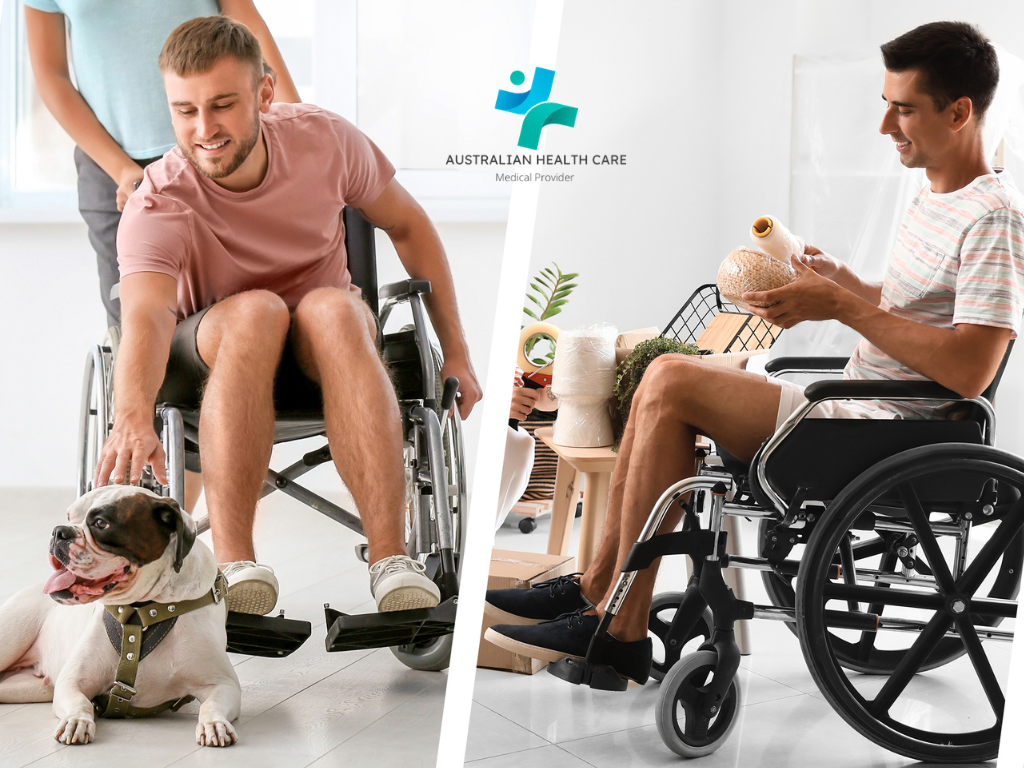
Many people first look for mobility aids when walking becomes slower, less stable, or more tiring. Walking sticks, walking frames, rollators, and wheelchairs may help depending on the person’s strength, balance, endurance, and level of support needed.
Standing and sitting can also be challenging. A person may find it difficult to rise from a low chair, toilet, bed, or car seat. In these situations, the product choice may need to focus on stable hand support, seat height, transfer assistance, or reducing strain on the legs, hips, arms, and back.
Transfers are another important area to consider. A transfer may involve moving from a bed to a chair, from a wheelchair to a toilet, or from a chair to a shower seat. If transfers are difficult, the person may need specific medical equipment or patient handling support rather than a general walking aid. This is where professional advice can be especially important.
Bathroom, Bedroom, and Living Area Support
Different areas of the home may need different support. A walking frame may help in open areas, but it may not solve problems in a narrow bathroom. A wheelchair may help with longer movement, but the home may need enough space for turning and access. A bathroom aid may improve toileting or showering, but it may need to work with the existing toilet, shower space, and floor surface.
The bathroom is often one of the most important areas to review because wet floors, low toilet seats, small spaces, and limited support points can make movement more difficult. Bedroom support may involve bed rails, over-bed tables, pressure care products, or transfer aids. Living areas may need suitable chairs, clear walkways, and equipment that can be stored safely when not in use.
Before buying home health supplies, it is helpful to look at the full home environment rather than focusing only on one product. This gives buyers a clearer idea of what the person needs during the whole day, not just during one task.
Types of Mobility Aids to Compare

Walking and movement support products are often the first category people consider. These may include walking sticks, crutches, walking frames, rollators, wheelchairs, and mobility accessories. The best option depends on how much support the person needs and where the equipment will be used.
A walking stick may suit someone who needs light balance support, while a walking frame may provide more stability. A rollator may help someone who needs walking support and a place to rest, but it may not be suitable for every surface or every user. A wheelchair may be needed for longer distances or when walking is limited, but it must be matched to the user’s size, posture, strength, and transport needs.
Buyers should also consider whether the product will be used indoors, outdoors, or both. Footpaths, ramps, carpet, tiles, doorways, and vehicle access can all affect product suitability. This is why a local buyer comparing mobility aids in Parramatta should think about both the home environment and the places the person regularly visits.
Daily Living and Home Health Supplies
Mobility support is not limited to walking products. Many people also need daily living aids and home health supplies that make care easier, safer, or more comfortable. These may include bathroom aids, shower chairs, commodes, toilet supports, cushions, reachers, dressing aids, continence products, and transfer equipment.
Australian health supplies and australian medical supplies can cover a wide range of products, so buyers should be clear about the problem they are trying to solve. For example, if the person struggles to walk, a walking aid may be needed. If they struggle to sit safely in the shower, a shower chair may be more relevant. If they struggle to move from one surface to another, transfer equipment may be required.
It is also important to avoid buying products only by name. A product category can include many designs, sizes, materials, and weight capacities. Buyers should check the details carefully to make sure the product suits the person and the home.
What to Check Before Buying
Fit, Size, Weight Capacity, and Comfort
Before buying mobility equipment, the buyer should check whether the product fits the user properly. This includes height, grip position, seat width, seat depth, handle height, frame width, and weight capacity. A product that is too high, too low, too narrow, too wide, or too heavy may be uncomfortable or unsafe.
Comfort also matters. If a product is used every day, small details can affect whether the person will actually use it. Handles should be easy to grip. Seats should provide suitable support. Wheels should suit the surface. Brakes should be easy to operate if the product has them. Materials should feel practical for regular use.
It is also useful to consider the person’s strength and coordination. A product may look simple, but it may be difficult for someone with weak hands, poor balance, fatigue, or limited movement. If the person cannot use the product confidently, another option may be needed.
Cleaning, Storage, and Transport Needs
Practical details can make a big difference in home care. Some equipment needs to be cleaned often, especially bathroom products, cushions, commodes, and items used during personal care. Easy-clean surfaces are helpful for hygiene and long-term use.
Storage is also important. Some homes have limited space, so buyers may need folding frames, lightweight wheelchairs, compact bathroom aids, or products that can be moved easily. If equipment will be transported in a car, the buyer should check folded size, lifting weight, and whether one person can manage it safely.
These details are sometimes overlooked when buying online. A product may look suitable in a photo, but the dimensions, cleaning requirements, and handling needs may not match the household. Checking these points before purchase can reduce the chance of needing a return or replacement.
How to Choose the Right Product or Service

Match the Product to the User’s Daily Routine
The best mobility aid is the one that fits the person’s real daily routine. Buyers should think about when the person needs support, where the support is needed, how often the equipment will be used, and whether a carer will be involved.
For example, someone who only needs light balance support around the home may need a different product from someone who becomes tired quickly when walking outdoors. A person recovering from surgery may need temporary healthcare equipment, while someone with long-term mobility changes may need a more durable setup.
It is also important to think about future needs. If the person’s mobility is changing, buyers should consider whether the product will still be suitable in the coming months. This does not mean buying the most complex product immediately, but it does mean choosing carefully and avoiding products that only solve part of the problem.
Compare Suppliers by Advice, Range, and Support
Choosing the right medical supply store is just as important as choosing the right product. A reliable supplier should provide clear information, practical product guidance, and realistic advice about what each item can and cannot do.
Buyers should compare product range, specifications, sizing details, delivery options, return policies, and after-sales support. They should also look for suppliers that understand health care supplies, home health supplies, healthcare equipment, and medical equipment for daily care situations.
A good supplier should not rely on exaggerated claims. If a product is described as suitable for all users, guaranteed to prevent falls, or able to replace professional care, those claims should be treated as [VERIFY]. Safer buying decisions come from matching the product to the user, the environment, and the level of support required.
When to Contact Australian Health Care
Contact a Supplier Before Buying if Needs Are Unclear
It is sensible to contact a supplier before buying if the user’s needs are unclear or if several product options seem similar. This is especially important when comparing mobility aids parramatta options for an older person, a person with disability, someone recovering from surgery, or a carer managing daily support.
A supplier may help explain the difference between walking aids, bathroom equipment, transfer aids, cushions, commodes, wheelchairs, and other home support products. They may also help clarify product dimensions, materials, cleaning needs, transport features, and general suitability.
If the person has complex care needs, high fall risk, significant weakness, or difficulty transferring, a supplier may also suggest speaking with a healthcare professional before making a final decision. This helps make sure the product choice is based on safety, function, and real daily use.
Prepare Useful Details Before Asking for Help
Australian Health Care may be useful to contact when buyers need help comparing mobility products, health care supplies, home health supplies, or medical equipment for home care. This is most helpful when the buyer can provide clear details about the person and the home environment.
Before contacting Australian Health Care, prepare information about the user’s height, mobility level, balance concerns, transfer needs, daily routine, bathroom setup, bedroom setup, and whether a carer will assist. It is also useful to explain whether the equipment is needed for short-term recovery, long-term support, or general daily safety.
These details allow the supplier to provide more useful guidance. They also reduce the risk of buying a product that does not fit the user, the home, or the care routine.
Final Tips for Parramatta and Western Sydney Buyers
Consider Local Access, Delivery, and Product Availability
For buyers in Parramatta and Western Sydney, local access can be helpful when products need to be compared, replaced, delivered, or discussed with a supplier. Mobility and healthcare equipment are often practical purchases, so clear communication and reliable availability matter.
Local buyers may also need to consider delivery timing, product assembly, return options, and whether the item can be checked before use. If equipment is needed after surgery, during recovery, or after a change in mobility, delays can create stress for the user and carer.
It is also helpful to ask whether the supplier can explain product differences clearly. A buyer who understands the difference between similar products is more likely to choose equipment that suits the user’s needs.
Choose Products That Support Safer Long-Term Care
Mobility aids should support daily life, not make it more complicated. The right product should be practical, comfortable, easy to use, and suitable for the person’s home and care needs.
Before buying, review the user’s mobility, the home layout, transfer needs, carer involvement, cleaning requirements, and long-term support needs. It is also worth checking whether professional advice is needed for more complex mobility concerns.
Choosing mobility aids carefully can help support safer movement, better comfort, and greater confidence at home. Whether the need is for walking support, bathroom safety, transfer help, or broader home health supplies, the best decision starts with understanding the person’s daily routine and choosing equipment that fits that routine well.
