

A laser cutting service helps create accurate shapes, profiles, holes, slots, panels, and components from materials such as metal or acrylic. It is often used when a project needs clean cutting, repeatable results, and a design that can be made from a digital file.
For many Australian businesses, laser cutting is useful because it supports both custom one-off parts and repeat production. It can be used for sheet metal components, signage, brackets, covers, display pieces, industrial parts, architectural features, and prototype work.
The right service depends on the material, thickness, design detail, finish, quantity, and how the finished part will be used. This is why choosing a supplier should involve more than asking for the cheapest cut. A good supplier should help you understand whether laser cutting is the right process for your project and whether other fabrication steps are also needed.
How laser cutting works in practical projects
Laser cutting uses a focused beam to cut material along a programmed path. The design is usually prepared from a digital file, then the machine follows that file to cut the required shape. This makes the process suitable for detailed profiles, repeat parts, and components that need clean and consistent edges.
The process can be used for simple flat shapes or more detailed parts with holes, slots, curves, and internal cut-outs. For example, a metal panel may need mounting holes and ventilation openings, while an acrylic sign may need shaped lettering or a display panel with smooth edges.
Good results depend on the material, machine setup, file quality, and project requirements. If the file is unclear or the material is not suitable, the supplier may need to adjust the design before cutting begins.
Where laser cutting fits into fabrication
Laser cutting is often one part of a larger fabrication process. A project may start with design files, then move through cutting, bending, welding, assembly, surface finishing, and delivery.
This is common for sheet metal parts that need more than a flat profile. For example, a bracket may need to be laser cut first, then folded using a press brake. A machine guard may need cutting, bending, welding, and finishing before it is ready to install.
Thinking about the full workflow early can help avoid delays. If a part needs folding, powder coating, stainless steel finishing, or assembly, those requirements should be discussed before cutting starts.
Common Projects That Need Laser Cutting
Laser cutting is used across many industries because it can support both functional and visual projects. It is suitable for businesses that need accurate components, clean edges, repeatable shapes, or custom designs.
The best use depends on the material and the final purpose of the part. Some projects need strength and durability. Others need a clean finish, attractive presentation, or detailed design work.
Metal parts, panels, brackets, and components
Laser cutting is commonly used for metal parts such as brackets, plates, guards, trays, covers, frames, panels, and machinery components. It can also support fabrication work for construction, manufacturing, storage, fit-outs, equipment repairs, and industrial projects.
For example, a business may need stainless steel panels for equipment, mild steel brackets for installation, aluminium plates for lightweight components, or custom profiles for a production process. Laser cutting can help create these parts accurately from a digital design.
When the part needs to fit with other components, accuracy becomes even more important. Hole positions, edge dimensions, and cut-out locations should be clearly shown in the drawing so the finished part can be assembled or installed properly.
Acrylic, signage, displays, and design work
Acrylic laser cutting Sydney searches are often connected to signage, display panels, retail fit-outs, decorative features, labels, templates, and custom design work. Acrylic can be useful when a project needs a clean appearance, shaped panels, letters, or transparent and coloured material options.
However, acrylic is different from metal. It may need different cutting settings, handling methods, and edge finish expectations. The material type, thickness, colour, and finish should be confirmed before production.
If the project involves acrylic for signage, displays, or architectural features, it is useful to provide the supplier with artwork files, measurements, installation details, and finish preferences. This helps reduce design changes and makes the quoting process clearer.
Laser Cutting, CNC Cutting, and Machine Options
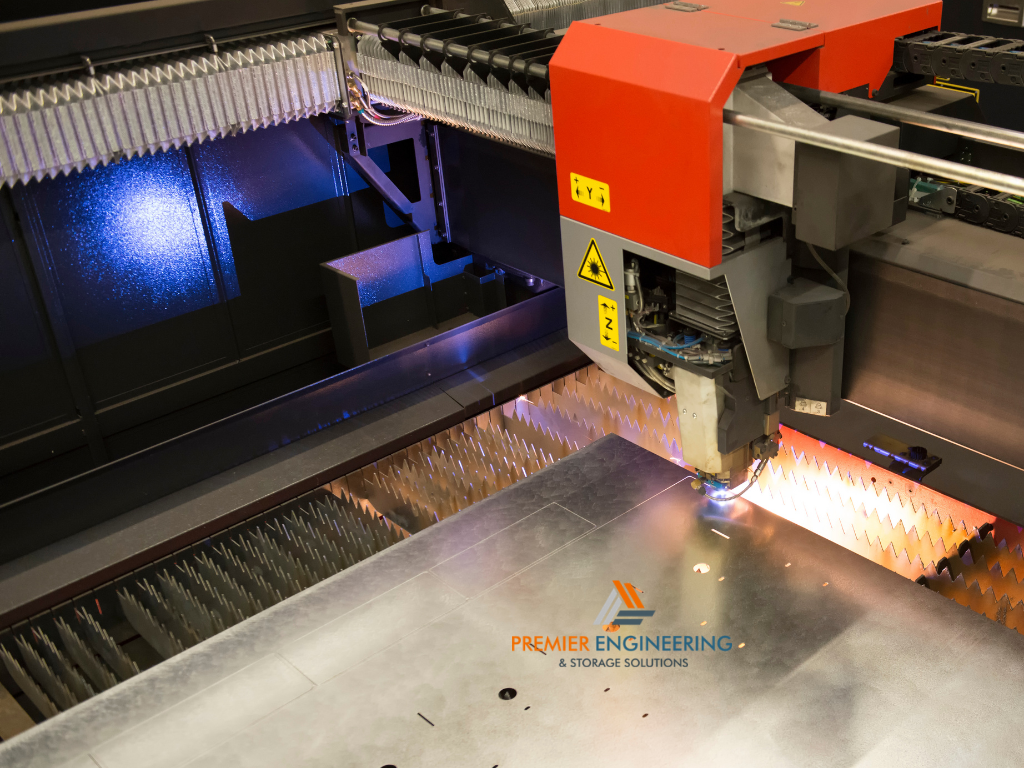
Laser cutting is part of the broader CNC cutting family. CNC means computer numerical control, which refers to machines that follow programmed instructions to cut, shape, drill, route, or machine materials.
A laser cutting machine is one type of CNC cutting machine. Other CNC processes may include routing, milling, punching, plasma cutting, waterjet cutting, or machining. The right process depends on the material, part design, thickness, tolerance, edge finish, and production needs.
How CNC cutting services support accuracy
CNC cutting services support accuracy by using programmed machine paths instead of relying only on manual cutting. This can help create consistent parts, especially when the same design needs to be repeated.
For example, if a business needs a batch of identical brackets or panels, CNC cutting can help keep the part shape and hole locations consistent. This is useful when parts need to fit with fasteners, frames, hinges, covers, or other components.
CNC cutting services western sydney may also be useful for local businesses that need access to fabrication support close to their workshop, building site, warehouse, or project location. Local access can make it easier to discuss drawings, collect parts, confirm materials, or resolve design questions.
When an industrial cutting setup may be needed
Some projects need more than light cutting or small-format work. If the part involves thicker metal, larger sheets, repeated production, or industrial-grade materials, the supplier may need suitable equipment and handling processes.
An industrial steel cutting machine may be relevant for heavier-duty steel profiles, production components, or fabrication work that needs reliable repeatability. The supplier should confirm whether their machine can handle the required material thickness, sheet size, edge quality, and batch quantity.
Buyers should not assume every laser cutting supplier can cut every material or thickness. It is better to confirm the machine capability, material suitability, tolerance expectations, and finish requirements before approving production.
Materials, Thickness, and Finish Requirements
Material choice affects the cut quality, cost, lead time, and final performance of the part. The right material depends on strength, appearance, durability, corrosion resistance, weight, and the environment where the part will be used.
Common materials may include mild steel, stainless steel, aluminium, acrylic, and other project-specific materials. However, not all suppliers cut the same materials, and not all materials behave the same during laser cutting.
Choosing the right material for the job
Mild steel may suit general fabrication where strength and cost control are important. Stainless steel may be used where corrosion resistance, hygiene, durability, or appearance matters. Aluminium can be helpful for lighter parts, while acrylic may suit signage, displays, guards, templates, or decorative panels.
Thickness is also important. A thicker material may offer more strength, but it can affect cutting speed, edge finish, bending requirements, and cost. A thinner material may be easier to cut and form, but it may not suit the load or durability required.
Before choosing a material, think about how the part will be used. Consider whether it will be indoors or outdoors, whether it needs to carry weight, whether it will be exposed to weather or chemicals, and whether appearance is important. If the part has safety, load-bearing, or compliance requirements, those details should be marked as [VERIFY] and checked with a qualified adviser.
Why finish and edge quality matter
Finish requirements should be discussed early because they can affect the cutting process and the final price. Some projects only need a functional cut edge. Others need a smoother visual finish, powder coating, polishing, deburring, or protective handling.
For example, a hidden machine bracket may not need the same finish as a visible architectural panel. An acrylic display part may need a clean edge, while a steel component may need deburring before assembly.
If the part will be painted, powder coated, welded, or folded after cutting, the supplier should know this before production. This helps them plan the correct sequence and reduce the risk of rework.
Local Considerations for Sydney and Western Sydney Buyers
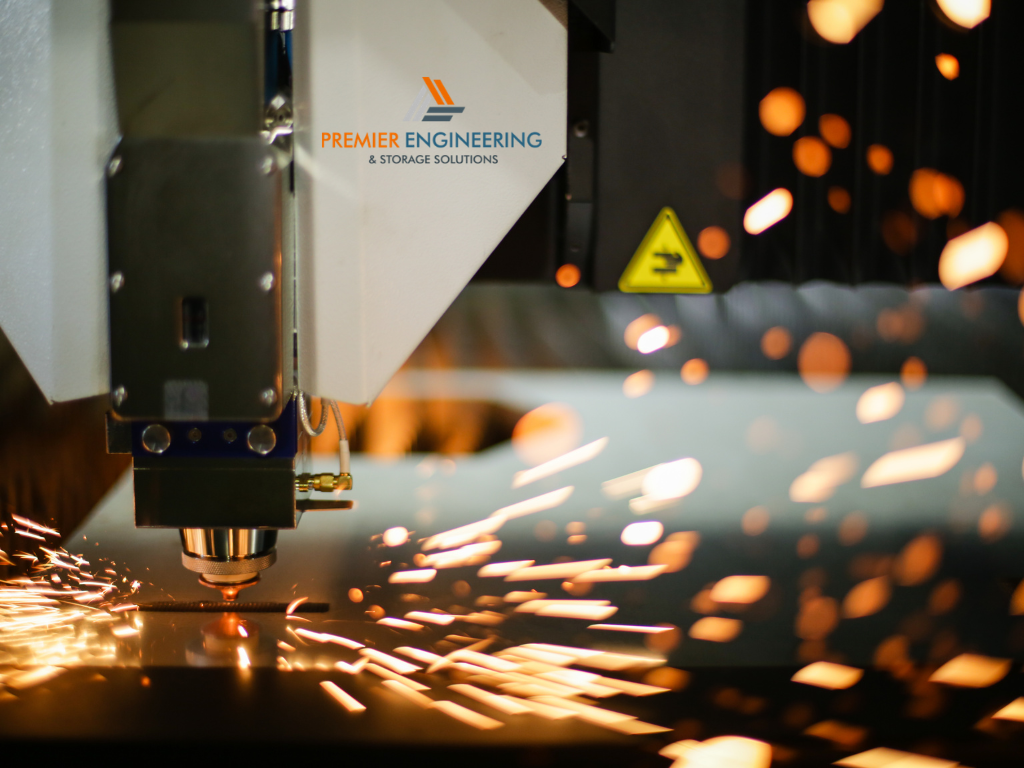
Local support can be useful when a project needs quick communication, practical advice, or additional fabrication services. For buyers searching for laser cutting Sydney, the goal is often to find a supplier that can understand the job, produce accurate parts, and support the next steps if needed.
Western Sydney is also a practical location for many fabrication, manufacturing, construction, warehouse, and industrial businesses. When suppliers are close to the project area, it can be easier to manage pickup, delivery, design checks, and urgent changes.
When laser cutting Sydney support is useful
Laser cutting Sydney support may be useful when a business needs local access to cutting, fabrication, and finishing services. This can help when drawings need to be checked, samples need to be reviewed, or parts need to be collected for installation.
Local suppliers may also understand common needs across construction, manufacturing, engineering, signage, fit-out, and maintenance projects. However, buyers should still check capability rather than choosing based only on location.
It is important to ask whether the supplier works with your material, thickness, file type, quantity, and finish requirements. A nearby supplier is helpful, but the right technical fit is still the priority.
How local fabrication can reduce project friction
Local fabrication can reduce project friction when communication is important. If a drawing needs adjustment or a sample needs review, it may be easier to deal with a supplier that understands the local project context.
For example, a Western Sydney business may need metal parts for a workshop, industrial site, warehouse fit-out, commercial installation, or machinery repair. Having access to cnc cutting services western sydney can make the process more manageable, especially when the job also needs bending, welding, or assembly.
Local support can also help when the project has practical delivery or installation needs. If timing is important, the supplier should confirm realistic lead times before the job is approved.
How to Choose the Right Laser Cutting Supplier
Choosing the right laser cutting supplier is about more than machine access. A good supplier should understand materials, drawings, tolerances, finishes, lead times, and the wider fabrication process.
The supplier should also be clear about what they can and cannot do. This helps buyers avoid delays, wrong material choices, poor fit, or unexpected extra work.
What to check before requesting a quote
Before requesting a quote, check whether the supplier can cut your required material and thickness. Ask what file types they prefer, whether they can work from drawings or samples, and whether they offer related services such as bending, welding, fabrication, or finishing.
It is also useful to ask how they handle design review. A good supplier may identify issues such as holes too close to edges, parts that may warp, material that may not suit the finish, or file details that need correction.
If your project needs repeat production, ask how consistency will be managed across batches. If your project is urgent, ask for a realistic lead time. Any important timeline, compliance, or performance requirement should be marked as [VERIFY] until confirmed.
When to contact Premier Engineering
Premier Engineering may be useful to contact when you need support with laser cutting, CNC cutting, sheet metal fabrication, steel components, or related design and fabrication work.
This may be helpful if your project involves metal parts, panels, brackets, covers, folded components, or fabrication that needs more than simple cutting. It may also be useful if you are unsure whether your project should use laser cutting, another CNC cutting machine process, bending, welding, or a combination of services.
When contacting Premier Engineering, it is best to provide drawings, measurements, material preferences, quantities, finish requirements, and the intended use of the part. This helps the team review the job clearly and recommend a practical next step.
Preparing Your Files and Project Details
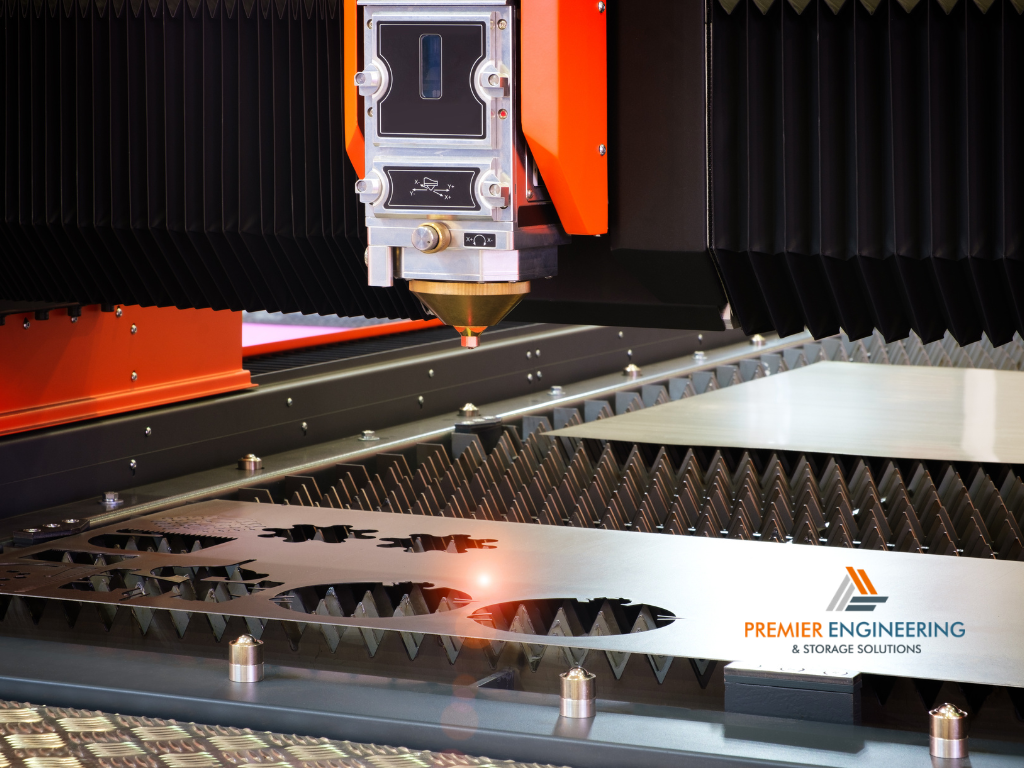
A clear project brief helps the supplier quote more accurately and reduces the chance of delays. It also helps the fabricator understand whether laser cutting is the best option or whether another process should be considered.
Even if the design is not final, sharing enough information early can help the supplier identify potential issues before production begins.
What information helps suppliers quote accurately
When requesting a quote, send dimensioned drawings, CAD files if available, material type, material thickness, quantity, finish requirements, and any delivery or installation deadlines. If you only have a sketch or sample, explain what the part does and where it will be used.
It is also helpful to mention whether the part needs folding, welding, powder coating, polishing, assembly, or protective packaging. These details affect the production sequence and the final cost.
If the part must fit with another item, include those details as well. Hole alignment, edge clearances, bend lines, and mounting positions can all affect whether the final part works as intended.
How clear requirements help avoid delays
Clear requirements help the supplier understand the job before cutting begins. This reduces the risk of missing features, wrong materials, unclear tolerances, or design changes after production has started.
Good communication also gives the supplier a chance to recommend improvements. For example, they may suggest a better material thickness, a different finish, a change to hole placement, or another process if laser cutting is not the best fit.
A laser cutting service works best when the design, material, quantity, finish, and purpose are clearly explained. With the right preparation, buyers can get cleaner results, more accurate quotes, and a smoother path from design to finished part.
