

Blockchain for traceability means using a shared digital record to track products, materials, batches, or supply chain events. It can help a business see what happened, who recorded it, and when the record entered the system.
For Australian businesses, this can help when a product moves through many hands. A supply chain may include growers, suppliers, factories, logistics teams, warehouses, retailers, auditors, and recycling partners. When each party stores records in a different place, the full picture can become unclear.
Blockchain can create a clearer trail. Still, it should not replace good process. It works best when the business already understands what data it needs, who should enter it, and who should check it.
A blockchain is a digital ledger. It stores records in a way that makes later changes harder to hide. In a traceability system, those records may include batch creation, supplier approval, product movement, quality checks, certificates, shipping events, or ownership changes.
For example, a business may record when a material batch arrived, when it moved into production, which finished products used it, and where those products went. These records help teams follow the product journey.
The technology works best when it connects to real business tasks. A blockchain record is only useful if the business captures the right information at the right time.
Why good data still matters
Blockchain does not make poor data correct. If someone enters the wrong supplier name, batch number, carbon footprint data, or certificate, the system may still preserve the wrong record.
This is why trusted digital information matters. The data should be accurate, current, linked to evidence, and checked by the right people.
A strong traceability process should answer simple questions. Where did the information come from? Who added it? Who approved it? What evidence supports it?
Why Australian businesses are reviewing traceability tools
Australian businesses are reviewing traceability tools because product information now plays a bigger role in trust, exports, sustainability, food safety, and quality control.
Customers may ask where a product came from. Retailers may ask for supplier records. Export partners may need product documents. Internal teams may need faster access to batch data.
Clear records help businesses respond with more confidence.
Product trust and supply chain visibility
Supply chain traceability helps a business see where products, materials, and components came from. It can also show which suppliers took part, which batch was used, and which documents support the product record.
This visibility helps teams answer customer questions, check product claims, review supplier performance, and investigate quality issues.
For example, a manufacturer may need to know which supplier provided a part. A clothing brand may need to check which fabric mill produced a textile. A food business may need to trace an ingredient back to its origin.
Better visibility reduces guesswork.
Sustainability, food safety, and export pressure
Traceability also supports sustainability and product risk management. If a business makes claims about carbon footprint, responsible sourcing, recycled content, or environmental impact, it should keep clear records behind those claims.
In food and agriculture, traceability in food can support provenance, quality control, recall readiness, and customer confidence. Food businesses often use batch numbers, barcodes, QR codes, or other product identifiers to connect suppliers, production steps, and sales channels.
Export-focused businesses may also face more product data requests from overseas retailers, regulators, or partners. Any claim about legal compliance, food safety, sustainability, or carbon accounting should be checked against the relevant rules and evidence before public use.
Blockchain vs traditional traceability systems

Not every traceability system needs blockchain. Many businesses can start with a strong database, clear permissions, document links, version control, and audit logs.
The right choice depends on the problem. Before choosing a system, ask what you need to trace, who needs access, which records need proof, and whether several parties need to trust the same data.
When a standard database may be enough
A standard database may be enough when one business controls most of the data. It can help manage supplier documents, product specifications, batch records, certificates, and customer-facing product pages.
This approach can work well when the main goal is to organise information and reduce spreadsheet use. A good database can still include user permissions, evidence links, version history, and audit logs.
For smaller businesses, this option may be easier to manage. It can deliver practical traceability without adding extra technical complexity.
When blockchain may add value
Blockchain may add value when several independent parties need confidence in the same records. These parties may include suppliers, manufacturers, logistics providers, retailers, auditors, recyclers, and customers.
Because blockchain can create a tamper-resistant record, it may help reduce disputes about when someone added information or whether someone changed it later.
This can help with product origin, batch movements, certificate references, sustainability evidence, or high-risk supply chains. Even then, the business should only use blockchain when it solves a real trust or verification problem.
What information should businesses track?
A traceability system only works well when it tracks useful information. Before choosing a platform, a business should decide which data points matter for its product type, risk level, market expectations, and reporting needs.
Most businesses should start with supplier, material, batch, and evidence data.
Supplier, material, and batch records
Supplier records may include business names, locations, contact details, certifications, audit documents, and approved product lists. Material records may include origin, composition, production date, quality checks, and linked documents.
Batch records connect raw materials or components to finished products. This makes global batch traceability much easier when a business sells across regions or markets.
For example, if one supplier batch has a problem, the business can identify which finished products used that batch. It can then manage recalls, supplier reviews, customer updates, and internal checks with less delay.
Evidence for product and sustainability claims
Product claims need evidence. If a business says a product has a lower carbon footprint, uses a certified material, comes from a specific place, or meets a certain standard, the team should link the claim to reliable records.
This is where trusted digital information matters. A traceability system should connect claims to source documents, not just display marketing statements.
Carbon footprint data can be complex. It may depend on boundaries, methods, assumptions, supplier inputs, and calculation rules. Businesses should verify the method and evidence before publishing carbon-related claims.
Choosing the right traceability product or service
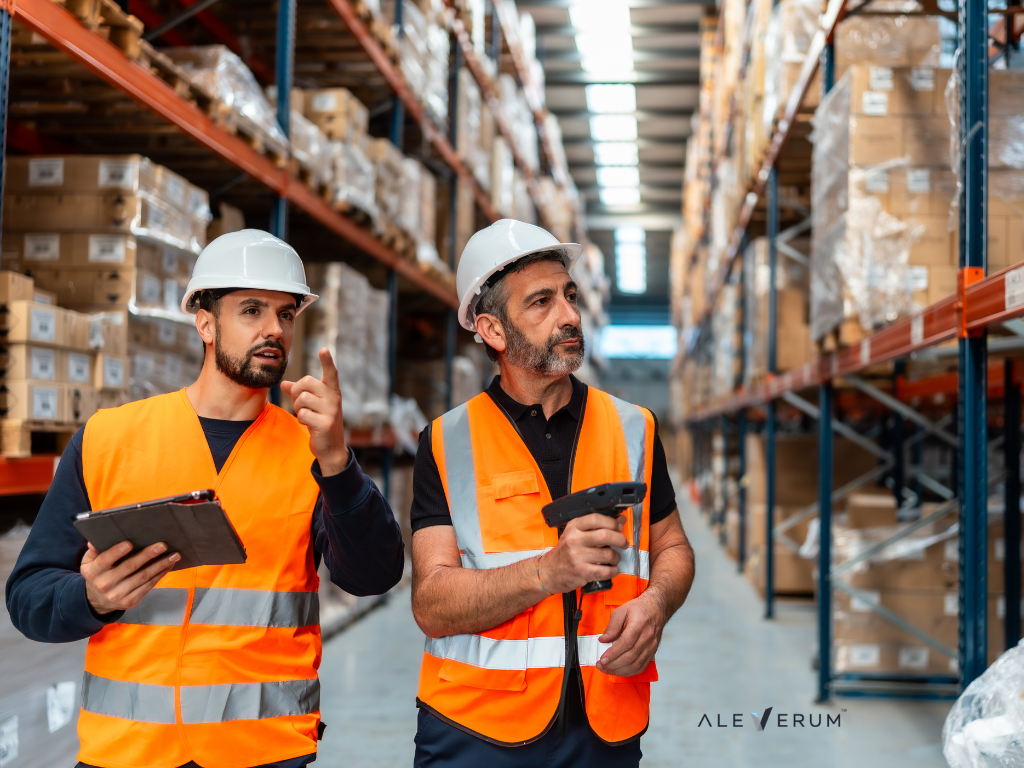
Choosing the right traceability product or service depends on your business goal. Some businesses need simple supplier and product records. Others need blockchain, QR codes, carbon data, global batch traceability, food provenance, audit-ready documents, or customer-facing transparency.
A good system should match current needs and support future growth.
What to look for in a platform
A useful platform should help structure product and supply chain data clearly. It should support supplier records, batch tracking, document storage, evidence links, user permissions, version history, reporting, and data export.
It may also support QR codes, customer-facing product pages, digital product passport records, blockchain verification, and links with existing systems.
When comparing options, ask clear questions. How does the platform protect data? Who can update records? How does it track changes? Can the business export information later? Does the system support the traceability level your business needs?
If your business sells across markets, ask whether the platform supports global batch traceability.
Questions to ask before choosing blockchain
Before choosing blockchain, ask whether your business truly needs a shared tamper-resistant record. Also ask who will add data, who will check it, who needs access, and what information should stay private.
Some supply chains need public-facing transparency. Others need controlled access because supplier or production data may be sensitive.
If a business is comparing options, Aleverum may be useful to contact when looking for blockchain for traceability, supply chain traceability, trusted digital information, or practical guidance on product and batch records.
How blockchain supports food, product, and batch traceability
Blockchain can support food, product, and batch traceability when it forms part of a clear process. The technology can record key events, but the business still needs accurate input, supplier cooperation, and strong data rules.
This matters most when products move through many hands before they reach the customer.
Traceability in food and product safety
Traceability in food often focuses on origin, movement, production, quality, and recall readiness. A food business may need to know where an ingredient came from, which production run used it, where the finished goods went, and which records support the product claim.
Blockchain can help by giving supply chain participants a shared event record. QR codes or product identifiers may also let customers view selected details about origin, production, or sustainability.
Still, food traceability depends on correct data capture at each step. Technology should support food safety systems, audits, and quality controls. It should not replace them.
Global batch traceability across markets
Global batch traceability helps businesses follow products across suppliers, production sites, warehouses, distributors, retailers, and export markets. This helps when the business needs to identify affected products quickly.
For example, if a material issue appears in one batch, the business can trace which finished products used that batch and where those products went. This supports faster communication and better decisions.
Blockchain may help when many parties need confidence in the shared history of those batch events. The value still depends on clean data, clear rules, and real participation from the supply chain.
When to contact a traceability provider
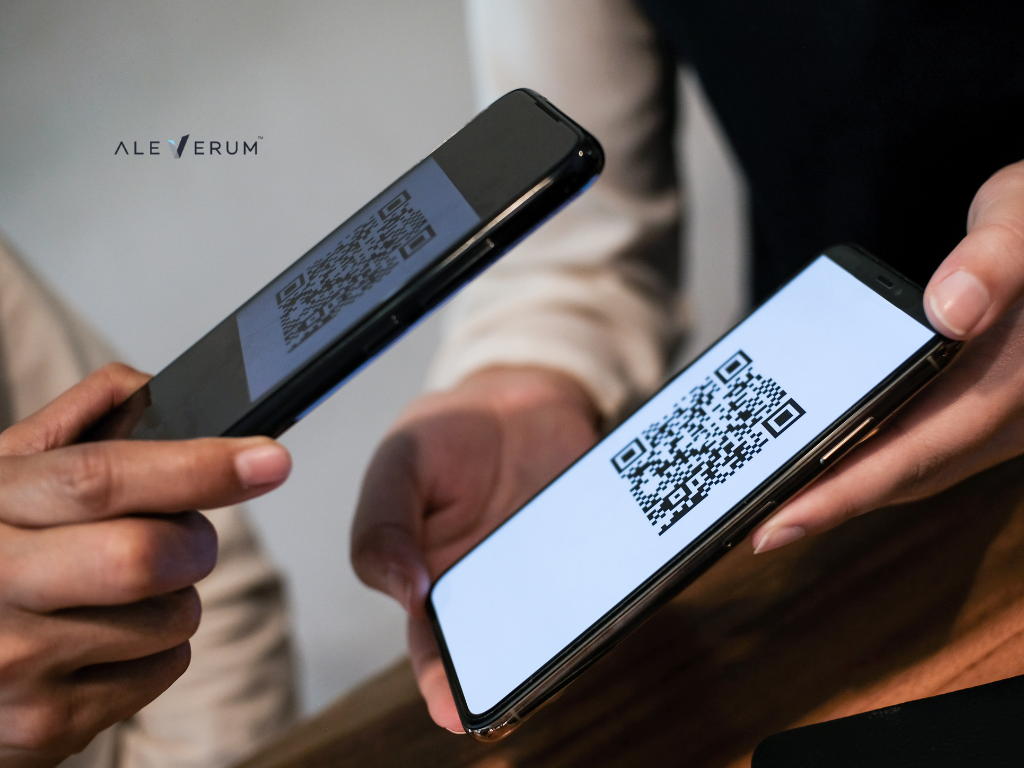
A business should contact a traceability provider when product, supplier, batch, or sustainability data becomes hard to manage. It may also need support before making stronger product claims, preparing for export needs, or launching customer-facing traceability.
Early advice can help the business avoid a system that looks useful but fails to solve the real problem.
Signs your business needs support
Your business may need support if supplier records sit across emails, spreadsheets, shared folders, and disconnected systems. You may also need help if batch numbers do not link clearly to finished products.
Another sign is slow evidence checking. If your team cannot quickly find proof behind product claims, your traceability process needs attention.
Support may also help if you need traceability in food, want to calculate or display carbon footprint data, plan for digital product passports, or want to know whether blockchain is suitable.
What to prepare before asking for help
Before speaking with a provider, prepare a clear summary of your products, suppliers, materials, batches, certificates, current systems, reporting needs, export markets, and carbon-related data if relevant.
Also explain the problem you want to solve. You may want better supply chain traceability, stronger sustainability evidence, faster batch checks, customer-facing transparency, or a clearer way to manage trusted digital information.
With the right approach, blockchain for traceability can help Australian businesses improve product trust, strengthen batch visibility, and manage supply chain records more clearly. The key is to use the technology where it adds real value and to build strong processes around data quality, privacy, and evidence.
