

Choosing the right timber veneer manufacturer can make a big difference to the final look, quality, and practicality of your project. Timber veneer is often used where people want the warmth and character of real timber, but with more flexibility than solid timber.
It can be used for cabinetry, wall panels, doors, furniture, wardrobes, reception counters, shopfitting, and commercial interiors. However, not all veneer products are the same. The species, grain, colour, sheet size, backing, substrate, pressing method, and finish can all affect the final result.
That is why it helps to choose a manufacturer or supplier that can explain the options clearly. A good provider should help you understand what will suit your project, what needs to be checked, and what may affect lead time or cost.
Veneer quality affects the final result
Timber veneer is a natural material, so every sheet can have its own colour, grain, and figure. This is part of its appeal, but it also means selection and planning matter.
For example, a straight-grain veneer may suit a clean modern kitchen. A figured veneer may suit a feature wall or statement cabinet. A darker veneer may create a bold interior detail, while a lighter veneer may help a room feel warmer and softer.
The final result also depends on how the veneer is joined, pressed, finished, and installed. If you are using veneer across large visible surfaces, ask about sheet matching, grain direction, sequence, finish testing, and substrate options before ordering.
Why buyers should compare more than price
Price matters, but it should not be the only thing you compare. A cheaper product may not be good value if the veneer does not match well, is hard to finish, has unclear documentation, or does not suit the project.
When comparing suppliers or manufacturers, look at product knowledge, sample support, sheet availability, custom panel options, lead times, and clear communication.
Understanding Timber Veneer Before You Order
Before choosing a product, it helps to understand how timber veneer is used. This makes it easier to ask the right questions and avoid ordering the wrong material.
Timber veneer gives a project a real timber surface while allowing it to be applied to stable core panels. This makes it useful for large flat surfaces and detailed joinery.
What timber veneer is commonly used for
Timber veneer is commonly used in kitchens, vanities, wardrobes, wall panels, furniture, doors, shelving, reception desks, office fit-outs, retail counters, hotel interiors, and decorative joinery.
In homes, it may help create a warmer and more natural look. In commercial spaces, it can add texture, character, and a more refined finish without using solid timber across every surface.
A timber wood panel may be used where a designer, builder, or joiner wants a consistent timber surface across doors, panels, and joinery faces. Because these surfaces are often highly visible, early planning is important.
Why timber veneer sheets need planning
Timber veneer sheets need planning because sheet size, grain direction, matching, and natural variation all affect the final look.
If a project has large doors, long wall panels, or a full kitchen run, the veneer may need to be matched carefully. Grain direction should be planned before cutting. Joins should be placed thoughtfully so they do not distract from the design.
It is also wise to allow for waste, trimming, and possible replacement pieces. If you order only the exact amount needed, it may be hard to match more material later.
Comparing Veneer Types and Design Options
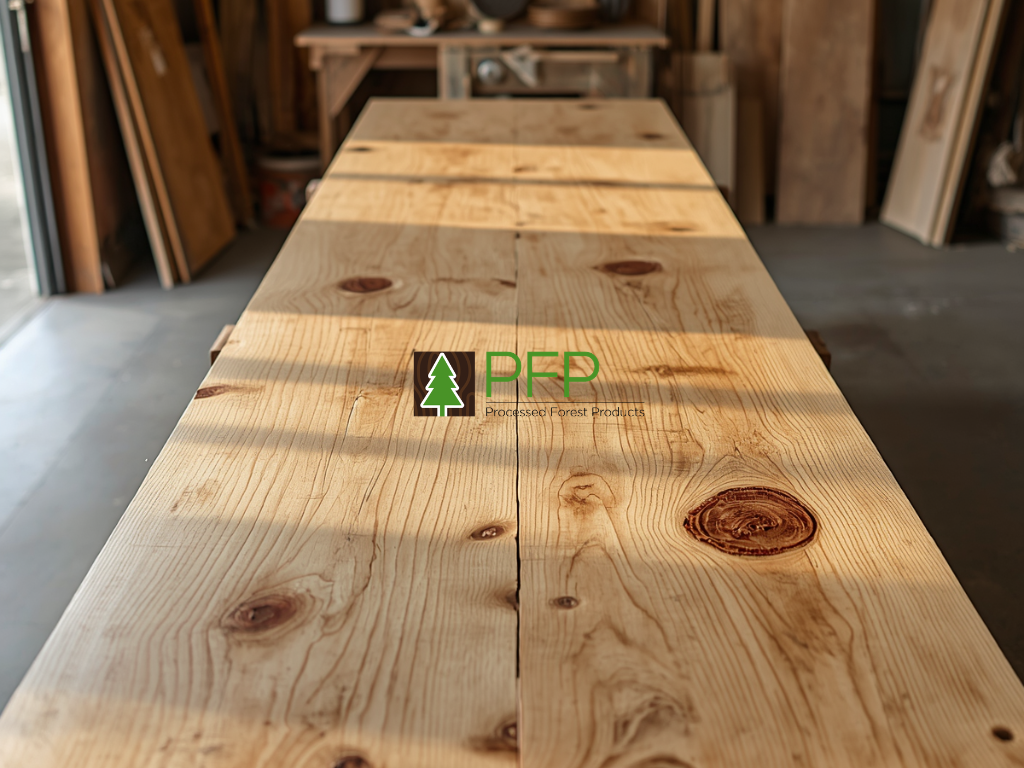
Different veneer styles suit different design goals. Some are calm and simple. Others are bold and decorative. The right choice depends on the project, the room, the lighting, and the level of visual impact you want.
A good wood veneer design should suit the space, not just follow a trend.
Choosing a style for the project
Light veneers can create a clean and relaxed look. Mid-toned veneers often feel warm and versatile. Dark veneers can create contrast and depth. Straight-grain veneers may suit modern cabinetry, while figured veneers may suit feature areas.
You should also consider how the veneer will look after finishing. Clear coating, staining, polishing, or other finishes can change the colour and depth of the veneer.
Ask for samples before making a final decision. A small image on a screen may not show the real tone, grain, or finish response.
Where burl veneer may fit
Burl veneer is often used for feature work because it has a distinctive and decorative grain pattern. It can suit cabinet doors, furniture pieces, wall panels, display areas, reception counters, and other design features.
Because burl veneer can be visually strong, it is often most effective when used in selected areas rather than across every surface. This allows it to stand out without overwhelming the room.
If you are considering burl veneer, ask about availability, matching, sheet size, finish testing, and whether it suits the surface you are planning.
Sustainable Veneers and Responsible Buying
Sustainable veneers are becoming more important for buyers who want attractive interiors without ignoring sourcing and material responsibility. However, sustainability claims should be checked carefully.
A good supplier should be able to explain where products come from and what documentation is available.
What sustainability claims should be checked
When comparing sustainable veneers, ask about species, origin, certification, chain-of-custody documents, recycled content where relevant, and whether the product comes from responsibly managed sources.
Avoid relying on vague claims such as eco-friendly, green, or sustainable without evidence. These terms can mean different things depending on the supplier and product.
How sustainable veneers can support long-term design
Sustainability is not only about sourcing. It is also about choosing materials that suit the project and last well.
A timeless timber veneer design may reduce the chance of replacing joinery too soon. Good planning can also reduce waste by using sheets efficiently, matching panels properly, and avoiding rework.
Durability, repairability, finish selection, and maintenance should also be considered. The right veneer should look good and perform well for the way the space will be used.
Choosing the Right Veneer Product or Supplier
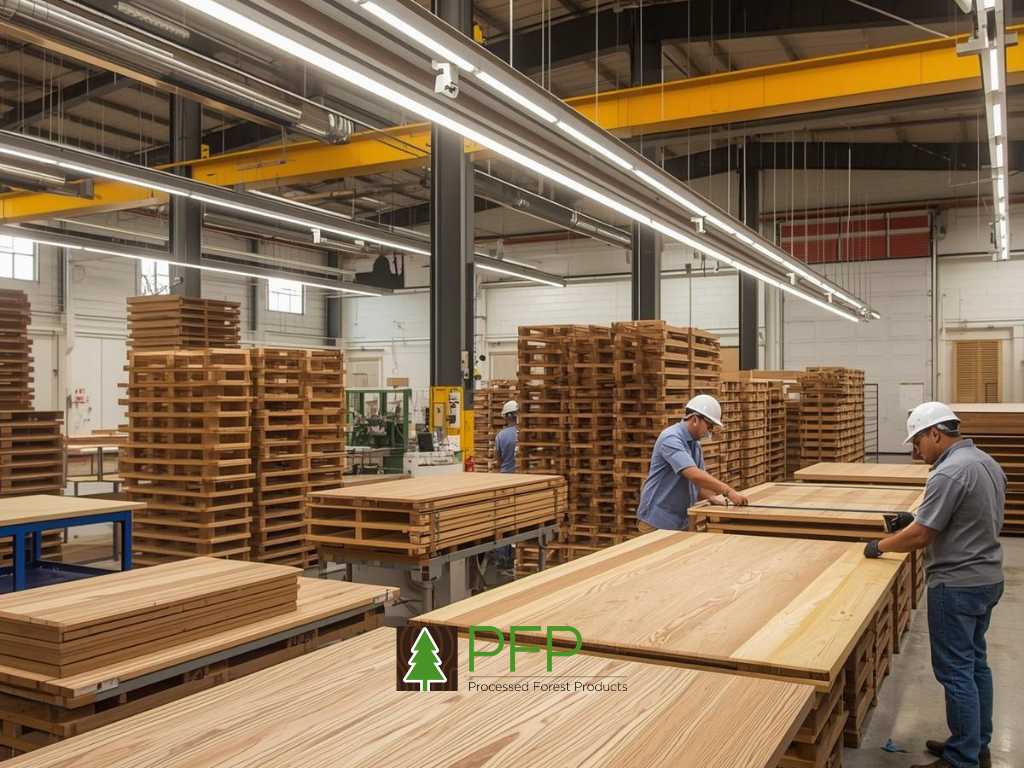
Choosing the right product or supplier is one of the most important steps in a veneer project. A good supplier should help you compare options, explain product limits, and guide you through practical decisions.
This is especially important if you need specialty veneer, large matched areas, or custom panel work.
What to compare before buying
Before buying, compare product range, sample support, sheet availability, timber wood panel options, substrate choices, custom pressing, matching options, lead times, delivery, and technical advice.
Ask whether the product is raw veneer, backed veneer, pressed panel, or another format. Also ask whether the supplier can help with matching timber veneer sheets across larger surfaces.
For complex projects, it may help to involve your joiner, builder, or designer early. This makes sure the product suits the installation method and finish.
Where Forest Products may fit
Forest Products may be useful for buyers comparing a timber veneer manufacturer, timber veneer Sydney options, sustainable veneers, burl veneer, timber wood panel products, and timber veneer sheets for real projects.
For designers, builders, joiners, cabinet makers, and homeowners, Forest Products may be a supplier to consider when you need advice on species selection, sample review, matching, panel options, and project suitability.
As with any supplier, compare product range, documentation, lead times, communication, and whether the advice matches your design and installation needs.
Planning Veneer for Real Projects
Veneer planning should happen early in the project. Waiting until the design is finalised can limit your options, especially if you need a specific species, matching style, or delivery timeframe.
The best results usually come from clear communication between the supplier, designer, builder, and joiner.
Matching veneer to cabinetry, furniture, and panels
For cabinetry, think about which surfaces will be most visible. Door fronts, drawer fronts, end panels, shelves, kickboards, and feature panels may all need different levels of matching.
For wall panels, grain direction and sheet joins are important. A poor layout can make joins more obvious. A good layout can make the veneer feel planned and refined.
For furniture, edges, curves, and detailed profiles may need extra care. Some veneer types are easier to work with than others, so ask for advice before choosing a complex design.
Why timelines and quantities matter
Lead times can affect the project schedule, especially if the veneer is a specialty product or needs to be matched across several panels.
It is also wise to order enough material for waste, trimming, matching, and possible replacement pieces. If more material is needed later, it may not match the original batch.
Ask your supplier how much extra material may be practical. The right amount depends on sheet size, project layout, matching needs, and the joiner’s process.
When to Contact a Timber Veneer Manufacturer
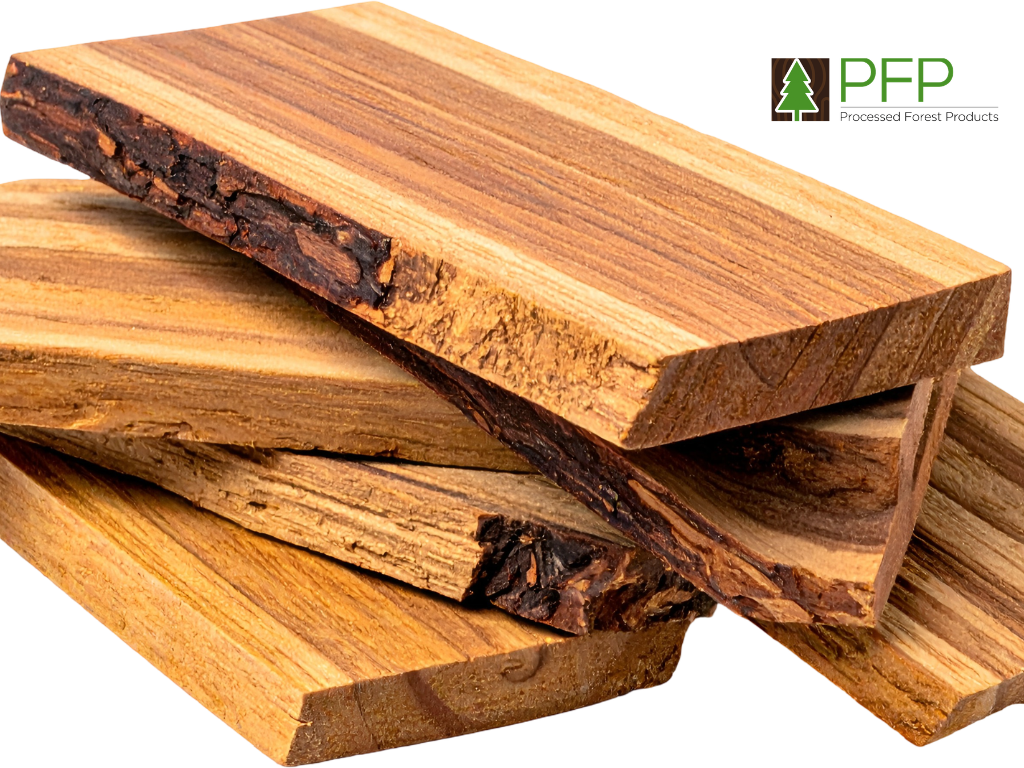
It is best to contact a timber veneer manufacturer early in the design or quoting stage. Early advice can help you choose a product that looks good, works with the build, and suits the project timeline.
This can reduce the risk of delays, mismatched sheets, or finish surprises.
Signs you should ask for advice early
Ask for advice early if you need specialty veneer, large matched areas, burl veneer, custom timber wood panel products, unusual sheet sizes, or a strict deadline.
You should also ask early if you are unsure about the difference between timber veneer sheets, pressed panels, backed veneer, raw veneer, or finished panels.
If the project has sustainability requirements, ask about documentation before specifying the product. This avoids problems later during approval or procurement.
What information to prepare before calling
Before contacting a supplier or manufacturer, prepare your project type, measurements, preferred species, design style, finish goals, substrate needs, quantity, timeline, delivery location, and sample requirements.
If you have drawings, inspiration images, or finish boards, share them. If the veneer must match existing timber, flooring, furniture, or joinery, mention that too.
In the end, choosing the right timber veneer manufacturer should make your project easier to plan. The right provider should help you compare options, understand limits, choose suitable timber veneer, and achieve a finish that suits both the design and the space.
