

Equipment Hire can make a project easier when you choose the right machine, tool, or vehicle for the job. It can help with construction, landscaping, property maintenance, site clean-up, material transport, business operations, and short-term project work.
However, hiring equipment should not be based on guesswork. The right choice depends on what you need to do, where the work is happening, how much space you have, and who will operate the equipment.
A small home project may only need a compact tool or trailer. A larger business project may need trucks, access equipment, compactors, or several machines working together. Planning first can help you avoid delays, extra hire time, and equipment that does not suit the task.
Start with the job, not the machine
It is easy to choose equipment by looking at size or price first. A better approach is to start with the job.
Ask what the equipment needs to do. Are you digging, lifting, cutting, compacting, moving materials, clearing a site, working at height, or transporting goods? Each task may need a different type of machine.
For example, a landscaping project may need a mini excavator, compactor, trailer, or chainsaw hire. A site clean-up may need a truck, loader, or skip-related equipment. A short-term business task may need business equipment hire for storage, lifting, access, or transport.
Once the job is clear, it becomes easier to choose the right equipment rental option.
Avoid delays, extra costs, and safety issues
The wrong equipment can slow a job down. If a machine is too small, the work may take much longer. If it is too large, it may not fit through gates, driveways, or worksite access points. If the wrong attachment is hired, the job may stop until the correct one is found.
Safety also matters. The equipment should suit the site, operator skill, ground conditions, and load requirements. If the site is sloped, wet, narrow, uneven, or close to people or traffic, extra care is needed.
Before hiring, check access, ground stability, overhead clearance, underground services, nearby buildings, parking, and turning space. These checks can help you choose better and work with more confidence.
What Types of Equipment Can You Hire?
There are many types of equipment available for short-term and long-term projects. The right option depends on the job, the site, and how often the equipment will be used.
Some people need one tool for a weekend job. Others need several pieces of equipment across a construction site, warehouse, event space, or commercial property.
Common options for worksites and home projects
Common Equipment Hire options may include trucks, trailers, excavators, mini excavators, compactors, rollers, forklifts, scissor lifts, pumps, generators, lighting, concrete tools, landscaping tools, and smaller power tools.
For home and property projects, common hire choices may include lawn and garden tools, compactors, trailers, pressure cleaners, small excavators, and chainsaws. For worksites, hire needs may include access equipment, material handling equipment, pumps, generators, and site safety equipment.
A Truck rental guide can also be useful when the job involves moving soil, gravel, tools, waste, furniture, equipment, or building materials.
When business equipment hire may be useful
Business equipment hire can help when a company needs equipment for a short period but does not want to buy, store, maintain, or transport it long term.
This may suit contractors, event teams, warehouse operators, maintenance crews, landscapers, builders, and small businesses with changing project needs.
For example, a business may need extra equipment during a busy season, a one-off fit-out, a temporary site setup, a relocation, or a maintenance job. Hiring can give the business access to equipment only when it is needed.
This can be especially useful when the job requires specialised equipment that would not be used often enough to justify buying.
How Do You Match Equipment to the Project?
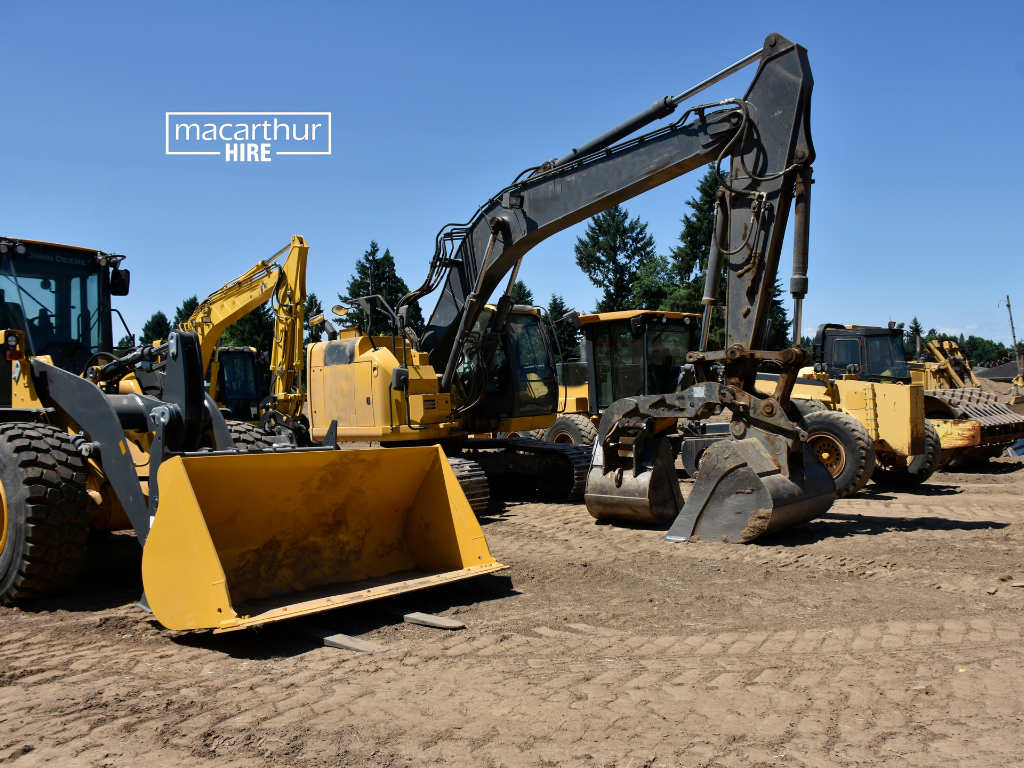
Matching equipment to a project starts with understanding the worksite. Even the right type of machine can become the wrong choice if the site is too narrow, too soft, too steep, or too difficult to access.
The more details you can provide before booking, the easier it is to choose the right equipment.
Check the site, task, and access first
Before booking, review the job and the site conditions. Think about the size of the work area, the type of ground, the access width, the weight of materials, and the space needed to operate safely.
Useful questions include:
- What task does the equipment need to complete?
- How much material needs to be moved, cut, lifted, or compacted?
- How wide are gates, driveways, or access points?
- Is the ground flat, sloped, soft, wet, or uneven?
- Are there overhead wires, trees, or low structures?
- Are there underground services that need to be checked?
- Is there enough turning space?
- How long will the job take?
These details can help narrow down the right hire option and reduce the chance of booking equipment that does not fit the job.
Think about transport, delivery, and operator needs
Some equipment can be picked up or towed by the customer. Other equipment may need delivery, especially if it is large, heavy, or difficult to transport.
You should also think about who will operate the equipment. Some tools are simple, while others require suitable experience, training, PPE, or a relevant licence. If you are unsure, ask before booking.
Delivery timing also matters. Make sure the site is ready before the equipment arrives. Move vehicles, unlock gates, clear the work area, and confirm where the equipment should be placed.
Good preparation can save time on the day and help the project start smoothly.
What Should a Truck Rental Guide Include?
A Truck rental guide should help you understand what kind of truck suits your job, what it can carry, and how it will be used on site.
Truck hire can be useful for moving building materials, landscaping supplies, tools, furniture, waste, soil, mulch, gravel, or equipment. However, the right truck depends on the load, access, distance, and loading method.
Understand load size and site access
Before booking a truck, think about the load. What are you carrying? How heavy is it? Is it loose material, boxed goods, equipment, tools, or long items?
You should also check access. A truck needs enough room to enter, turn, park, load, and unload safely. A narrow street, steep driveway, soft ground, or limited parking area can affect the type of truck that suits the job.
Also consider how the load will be lifted. Will it be loaded by hand, forklift, excavator, ramp, or other equipment? This can affect the tray type, truck size, and support needed.
Plan hire time and return conditions
Truck hire should be planned around the project schedule. Allow enough time for pickup, loading, travel, unloading, cleaning, refuelling, and return.
Before booking, ask about hire times, late return rules, fuel requirements, damage checks, cleaning expectations, licence requirements, and support if the job takes longer than expected.
This helps avoid surprises and makes it easier to compare hire options fairly.
How to Choose the Right Equipment Product or Service
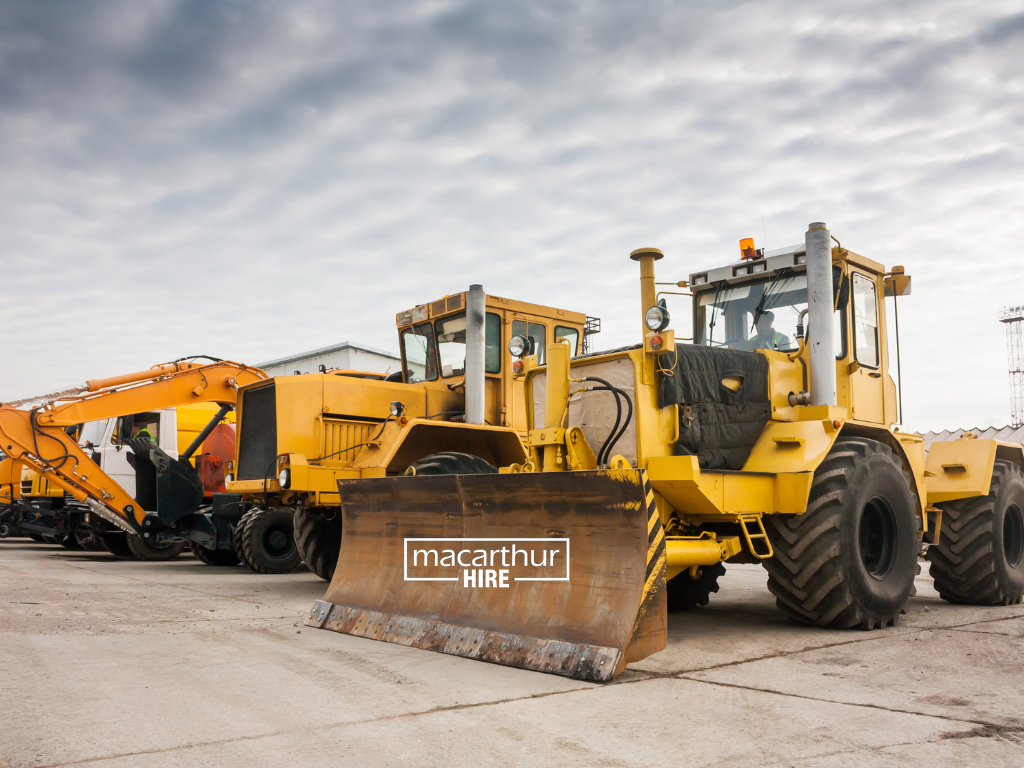
Choosing the right hire product or service is not only about price. A cheaper option may cost more in the long run if it is the wrong size, unavailable when needed, poorly suited to the site, or unclear in its hire terms.
A good hire choice should match the job, timing, site conditions, and operator needs.
Compare hire terms, condition, and support
When comparing equipment rental providers, look at the full service, not just the hire rate.
Check:
- Equipment availability
- Hire period options
- Delivery and pickup
- Maintenance and safety checks
- Attachments and accessories
- Fuel and cleaning rules
- Damage policy
- Support if something goes wrong
- Advice before booking
- Clear pricing and terms
A reliable provider should help you understand what the equipment can do, what it cannot do, and what you need to prepare before using it.
When local knowledge can help
Local knowledge can be helpful when comparing Macarthur Equipment Hire options. A local provider may better understand common site access issues, delivery timing, local project needs, and the type of equipment often used across the area.
Macarthur Hire may be useful to consider when you need Equipment Hire for construction, landscaping, property maintenance, transport, chainsaw hire, or business equipment hire in the region.
This can be helpful if you are comparing equiptment rentals and want practical advice before booking. For example, you may need help choosing between a truck, trailer, compact tool, or site machine. You may also need advice on hire timing, delivery, pickup, or machine suitability.
What Mistakes Should You Avoid?
Many hire problems happen because important details are missed before booking. You do not need to be an expert, but you should avoid guessing when the job involves access, weight, cutting, lifting, digging, or safety risks.
A few simple checks can help prevent wasted time.
Avoid guessing equipment size
Choosing the wrong size is one of the most common hire mistakes. A small machine may take too long. A large machine may not fit the site. A truck may not suit the load. A chainsaw may not be suitable for the type of cutting work required.
If you are unsure, explain the job clearly before booking. Share details about the site, access, material, height, weight, ground conditions, and timing.
This gives the hire provider a better chance to recommend equipment that fits the job.
Avoid ignoring safety and site preparation
Safety should be planned before the equipment arrives. This includes checking the work area, PPE, operator skill, instructions, ground conditions, traffic movement, and nearby people.
For chainsaw hire, safety planning is especially important. Consider the cutting task, tree condition, kickback risk, PPE, nearby structures, and whether a trained arborist or professional operator is needed. If the work involves large trees, overhead branches, powerlines, or unstable timber, get qualified help.
For larger equipment, check overhead lines, underground services, slope, ground stability, and access. A safe site setup helps protect people and keeps the job moving.
When Should You Contact the Company?

You should contact the company when you are unsure what to hire, when your project has access challenges, or when timing matters.
Asking early can help you avoid booking the wrong equipment or missing availability during a busy period.
When you are unsure what to hire
Contact the company if your project involves mixed tasks, such as cutting, lifting, moving, digging, compacting, or transport. You may need more than one item or a different machine than you first expected.
You should also ask for advice if you are new to Equipment Hire or if you are comparing several options for the same job.
Explain the task, site conditions, access width, timing, and materials involved. This helps the provider guide you toward a more suitable option.
When timing, delivery, or risk matters
Contact the company early if your project has a fixed start date, trade schedule, narrow access window, or delivery requirement.
This is especially important for business equipment hire, truck rental, chainsaw hire, or projects where several people rely on the equipment being ready on time.
To finish, Equipment Hire is not only about getting a tool or machine for the day. It is about choosing the right equipment for the job, preparing the site properly, and working with clear hire terms. With good planning and helpful local support, your project can run more smoothly from start to finish.
