

When essential business applications stop working, the consequences can reach well beyond the IT department. Choosing reliable Cloud Services Sydney and managing them properly can help organisations reduce unnecessary interruptions and maintain access to important systems.
Businesses increasingly depend on cloud technology for email, file sharing, customer information, collaboration and everyday operations. However, moving these systems online does not remove every risk of downtime.
An interrupted internet connection, incorrect configuration, compromised account or infrastructure failure can prevent employees from completing their work.
For Sydney businesses, reducing disruption means understanding where problems can arise and putting practical safeguards in place.
This article explores how organisations can improve cloud reliability, identify technical risks, protect business information and prepare for unexpected service interruptions.
Recognising Why Cloud Systems Become Unavailable
Understanding Common Cloud Service Interruptions
Cloud technology provides access to applications and information through connected infrastructure, but that infrastructure still depends on several components working correctly.
A problem affecting any critical component may interrupt service.
For example, an organisation might experience internet connectivity issues while its cloud applications remain fully operational.
In other situations, login failures, software errors or incorrect system settings may prevent staff from accessing particular services.
Cloud provider outages and cyber incidents are additional possibilities.
Businesses relying on Cloud Services Sydney should understand which systems support their daily operations and how those systems depend on one another.
This helps determine whether an interruption originates within the organisation, its network or an external service.
Understanding the likely source of a problem is the first step towards selecting an appropriate response.
Identifying the Business Activities Most at Risk
Different businesses rely on cloud applications in different ways.
An accounting firm may need continuous access to client records, while a service business might depend on cloud-based scheduling and communications.
A disruption to a customer management system may delay enquiries and appointments without affecting every other business function.
This is why understanding operational priorities matters.
Businesses should identify which applications employees need to perform essential tasks and what would happen if access was temporarily lost.
The potential impact of downtime can then guide decisions about monitoring, backup arrangements and system resilience.
Not every application requires the same level of protection, but the most important systems should receive appropriate attention.
Finding Technical Problems Before They Escalate
Early Indicators of Cloud Performance Problems
Technology interruptions do not always occur without warning.
Recurring login errors, slow application responses, unusual connectivity problems and repeated failed updates can indicate issues that need investigation.
For example, if several employees regularly experience difficulties accessing the same cloud application, the cause may involve network performance, account permissions or an application configuration.
Businesses using Cloud Services Sydney should establish a simple way for staff to report recurring problems.
IT support teams can then investigate whether the issue affects individual users, specific devices or a wider service.
However, unusual performance does not necessarily indicate that an outage is about to occur.
The purpose of investigating these symptoms is to identify causes and correct avoidable problems before they become more disruptive.
Using Monitoring to Support Reliable Operations
Monitoring tools can help IT teams understand how cloud systems are performing.
Depending on the platform, they may provide information about system availability, resource consumption, authentication activity and network connections.
Automated notifications can highlight conditions that require further investigation.
For example, an alert may identify that a critical application is unavailable or that a system is approaching a configured resource limit.
However, monitoring alone cannot resolve every issue.
Someone must be responsible for reviewing notifications, identifying the cause and deciding what action is required.
Businesses should also consider monitoring the services employees actually use.
A functioning server does not always mean customers can access an application successfully.
Effective monitoring combines technical information with clear response procedures and assigned responsibilities.
Building More Resilient Cloud Infrastructure
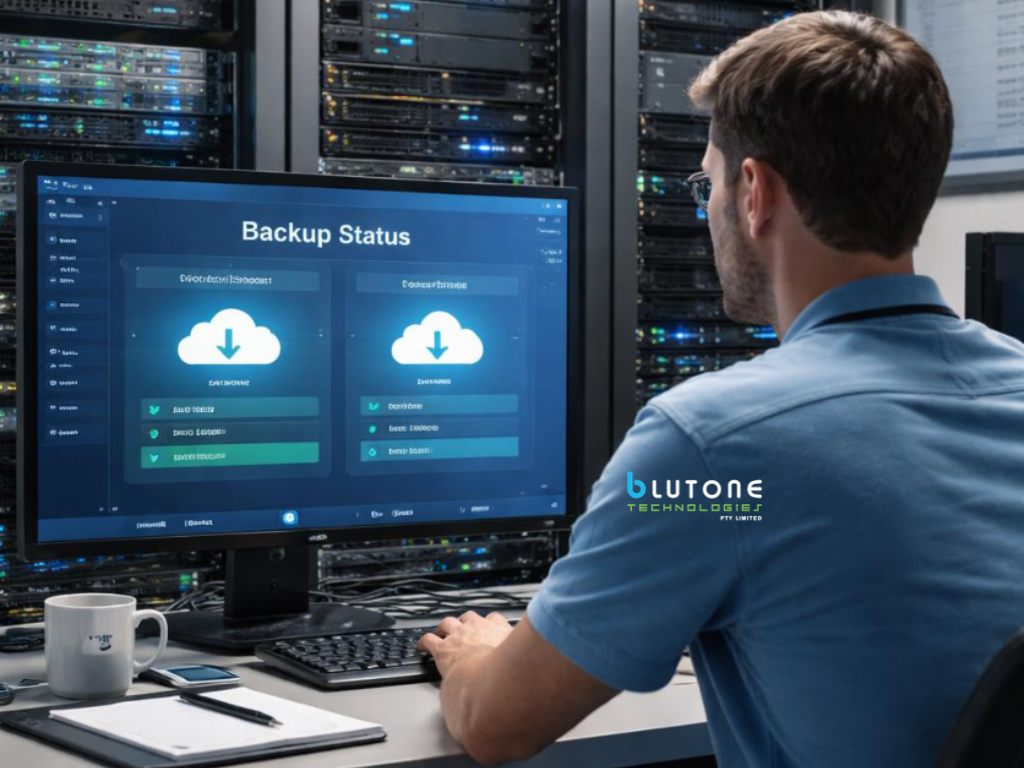
Understanding Availability Features in Microsoft Azure
Cloud reliability depends partly on how applications and infrastructure are configured.
Microsoft Azure provides several capabilities designed to support resilient workloads, although availability features vary between services and configurations.
Azure Cloud Services and other Azure offerings may support redundancy, availability zones and recovery arrangements.
For supported services, availability zones distribute infrastructure across separate physical locations within an Azure region.
This can help reduce reliance on a single infrastructure location when applications are designed and configured appropriately.
However, using Azure does not automatically make every application resilient.
For example, an application relying on one virtual machine may still experience an interruption if that machine becomes unavailable.
Businesses considering Cloud Services Sydney should review whether their applications have suitable availability arrangements and whether additional resilience measures are justified.
The appropriate configuration depends on the importance of the workload, acceptable downtime and available budget.
Avoiding Dependence on One Critical Component
A system can become unavailable because one essential component fails.
This is often described as a single point of failure.
For example, an office may depend entirely on one internet connection to access cloud applications.
Even if the cloud platform remains operational, a local connection failure could prevent employees from using it.
Alternative internet connectivity may help in some circumstances, provided the supporting equipment and failover arrangements are suitable.
Other possible single points of failure include network devices, authentication services and individual application servers.
Businesses should identify which components are essential to their most important workflows.
Cloud resilience does not always require complex infrastructure.
The goal is to understand the consequences of a failure and select safeguards that match the organisation’s operational needs.
Preparing for Data Loss and Service Recovery
Why Cloud Backup Remains Important
Cloud applications may include built-in data protection features, but businesses should not assume those features meet every recovery requirement.
Cloud Backup helps preserve recoverable copies of important information against threats such as accidental deletion, data corruption and certain cyber incidents.
However, backup does not necessarily prevent an application from becoming unavailable.
It provides a way to restore information when recovery is needed.
Businesses should identify which files, databases and application settings require protection.
They should also consider how frequently backups need to occur and how long previous copies should be retained.
Access to backups must be appropriately secured.
For organisations using Cloud Services Sydney, restoration testing is particularly important.
A backup system reporting successful completion does not prove that the business can recover every required file or service.
Periodic testing helps establish whether the selected arrangements meet practical recovery needs.
Planning How the Business Will Continue During an Outage
Business Continuity focuses on maintaining essential activities when normal operations are disrupted.
Disaster recovery focuses more specifically on restoring affected technology systems and information.
These activities work together but should not be treated as interchangeable.
For example, a business continuity plan might explain how employees will communicate with customers while their cloud telephone system is unavailable.
The disaster recovery plan would address how the affected technical service will be restored.
Two useful planning measures are recovery time objective and recovery point objective.
Recovery time objective, or RTO, describes the target time for restoring a service.
Recovery point objective, or RPO, describes the maximum acceptable data loss measured in time.
Businesses should establish these objectives according to operational needs rather than assuming every system requires immediate restoration.
Selecting Cloud Support That Fits Your Organisation

Comparing Cloud Providers and Managed Services
Cloud services should be selected according to the technology a business uses and the level of support it requires.
Some organisations need assistance managing Microsoft 365 accounts and collaboration platforms.
Others may require support for hosted servers, cloud infrastructure, backups or more complex applications.
When comparing Cloud Services Sydney providers, consider how they approach monitoring, security, incident management and technical support.
It is also worth discussing the sensitivity of business information and whether particular data storage arrangements or contractual obligations apply.
Businesses researching Cloud Services Australia should consider applicable Australian privacy requirements and where their information is stored or processed.
Blutone Technologies provides cloud-related services including Microsoft 365 management, cloud migration, backup and recovery support.
Organisations can review Blutone Technologies’ Cloud Services to explore its offerings and discuss whether the available solutions match their operational requirements.
Choosing a provider should involve understanding actual service capabilities rather than relying solely on marketing descriptions.
Clarifying Responsibilities Before Signing an Agreement
Cloud services involve responsibilities shared between the service provider and the customer.
The exact division depends on the technology being used.
For example, a cloud platform provider may manage the underlying physical infrastructure while the customer remains responsible for application settings, user access and some security configurations.
Managed IT providers may take on additional responsibilities under their service agreements.
Before selecting support, ask who monitors systems, manages updates, investigates incidents and maintains backup arrangements.
It is also useful to clarify support availability and how urgent problems are escalated.
Review any service-level agreements carefully.
An availability commitment may apply only to specific services and conditions, rather than every application the business uses.
Understanding these details helps organisations compare cloud support based on practical responsibilities and realistic expectations.
Helping Employees Manage Cloud Interruptions
Establishing Alternative Ways to Keep Working
Even well-managed cloud environments can experience unexpected disruptions.
Businesses should therefore prepare alternative arrangements for essential activities.
For example, if a cloud communications platform becomes unavailable, employees may need another approved way to contact customers and colleagues.
Some organisations may also require access to essential contact information or alternative procedures for handling urgent requests.
Businesses using Cloud Services Sydney should identify the activities that cannot reasonably stop during an outage.
The continuity plan should explain who is responsible for coordinating the response and how employees will receive instructions.
Alternative processes should still protect confidential information and comply with relevant business requirements.
Planning these arrangements in advance can reduce confusion when normal systems become inaccessible.
Making Incident Reporting Simple for Staff
Employees need clear instructions when they encounter technical problems.
A straightforward reporting process can help IT teams identify incidents and determine how widely they affect the organisation.
Staff should know which support channel to use and what information is helpful when reporting an issue.
This may include the affected application, the time the problem began and whether other users are experiencing similar difficulties.
Employees should also understand why unapproved workarounds can introduce security risks.
For example, transferring sensitive business documents to a personal email account may create additional problems during an outage.
Regular awareness activities can reinforce appropriate reporting procedures and help employees recognise suspicious behaviour.
A well-prepared team can support a more organised response while technical staff investigate the underlying issue.
Keeping Cloud Systems Reliable as Business Needs Change
Reviewing Configurations, Access and Capacity
Cloud environments rarely remain unchanged.
Businesses introduce new applications, employ additional staff, change software subscriptions and adjust how information is shared.
These changes can affect system performance, security and reliability.
Routine reviews should include user permissions, application configurations, monitoring alerts and available infrastructure capacity.
Unused accounts should be managed appropriately, while access permissions should reflect current job responsibilities.
Organisations using Cloud Services Sydney should also review whether their reliability arrangements still match business requirements.
For example, an application that was once used occasionally may become essential as more employees depend on it.
The level of monitoring, support and recovery planning may need to change accordingly.
Regular reviews help identify these developments before they contribute to unnecessary operational risks.
Checking Recovery Procedures and Support Arrangements
A recovery plan should be reviewed and tested rather than stored away after its initial preparation.
Disaster Recovery exercises can help organisations identify missing instructions, outdated information and unexpected technical dependencies.
Testing should also confirm whether important data can be restored and whether recovery procedures meet the organisation’s intended objectives.
The appropriate testing schedule depends on the importance of the systems, changes to the environment and applicable requirements.
Businesses should also assess whether existing support arrangements remain suitable after significant incidents or technology changes.
For organisations seeking assistance with cloud management and reliability planning, Blutone Technologies provides information about its available cloud and IT services.
Visit Blutone Technologies to explore its solutions and enquire about reviewing your existing cloud environment.
Reducing cloud downtime requires a combination of dependable infrastructure, proactive monitoring, secure data protection and clear recovery procedures.
By understanding potential risks and reviewing their systems regularly, Sydney businesses can improve their preparedness for unexpected interruptions and maintain more reliable access to essential technology.
