

Not every car problem is immediately noticeable. Your vehicle might start normally, feel comfortable to drive and show no obvious signs of damage, yet its electronic systems could be recording information about developing faults. Vehicle scanning helps technicians investigate these issues by accessing diagnostic information stored in the car’s onboard computer.
Modern vehicles rely on sensors and electronic control systems to monitor engine performance, transmission operation, emissions and various safety functions. When something operates outside expected conditions, the system may record a fault code that provides a starting point for investigation.
However, vehicle diagnostics cannot detect every problem. Mechanical wear, fluid leaks and damaged components may require additional inspection.
Whether you are concerned about a warning light, planning to buy a second-hand vehicle or investigating unusual performance, understanding what vehicle scanning reveals can help you make more informed decisions about your car.
How Does Vehicle Scanning Actually Work?
Understanding the Technology Behind Modern Car Diagnostics
Today’s vehicles use electronic control units to manage and monitor important operating systems. These units receive information from sensors positioned throughout the car.
Vehicle scanning involves connecting a compatible diagnostic scanner, usually through the onboard diagnostics (OBD) port, to communicate with accessible electronic control modules.
When a monitored component or system operates outside expected parameters, the vehicle may record a diagnostic trouble code.
Some problems trigger a dashboard warning light, while others remain stored as pending or historical fault information.
A technician can retrieve this information to investigate potential problems without immediately dismantling the vehicle.
Why Diagnostic Codes Need Professional Interpretation
A fault code identifies a condition detected by an electronic monitoring system, but it does not always identify the component responsible.
For example, a code associated with an oxygen sensor might result from a faulty sensor, damaged wiring, an exhaust leak or another problem affecting the readings.
Professional diagnostic equipment can also display live sensor data, helping technicians compare actual operating conditions with expected values.
This is why experienced car tech professionals combine electronic diagnostic results with physical inspections and additional testing.
Understanding the information correctly helps avoid unnecessary repairs and supports more accurate troubleshooting.
Which Hidden Car Problems Can Vehicle Scanning Identify?
Detecting Engine, Transmission and Electrical Faults
Vehicle scanning can help uncover electronic faults associated with several major vehicle systems.
Engine-related diagnostic codes may indicate problems involving ignition components, fuel delivery, emissions controls or sensor performance.
For example, a stored misfire code can help a technician investigate rough idling, reduced acceleration or inconsistent engine operation.
Transmission diagnostics may reveal electronic control problems, depending on the vehicle and the scanner’s capabilities. These faults could be associated with unusual gear changes or inconsistent transmission behaviour.
Some professional diagnostic systems can also access electronically monitored braking, airbag and stability control systems.
However, the information available depends on the vehicle manufacturer, model, year and diagnostic equipment.
The purpose of scanning is to identify areas requiring investigation rather than automatically determine which components should be replaced.
Investigating Battery and Cooling System Problems
Modern vehicles may also record diagnostic information relating to electrical voltage, charging systems, engine temperatures and cooling controls.
Vehicle scanning can reveal certain voltage-related fault codes, communication errors or abnormal temperature readings.
However, a scan cannot reliably measure every aspect of battery condition or detect every cooling-system fault.
A technician may need to perform separate battery tests, inspect electrical connections or assess the charging system.
Similarly, professional cooling system services may involve checking coolant levels, inspecting hoses, investigating leaks and testing relevant components.
If your vehicle is difficult to start and you are searching for car battery repair near me, a battery and charging-system assessment may be more useful than relying on fault codes alone.
Combining electronic information with targeted mechanical testing provides a clearer understanding of the underlying problem.
When Should You Consider Vehicle Scanning?
Dashboard Warning Lights That Need Attention
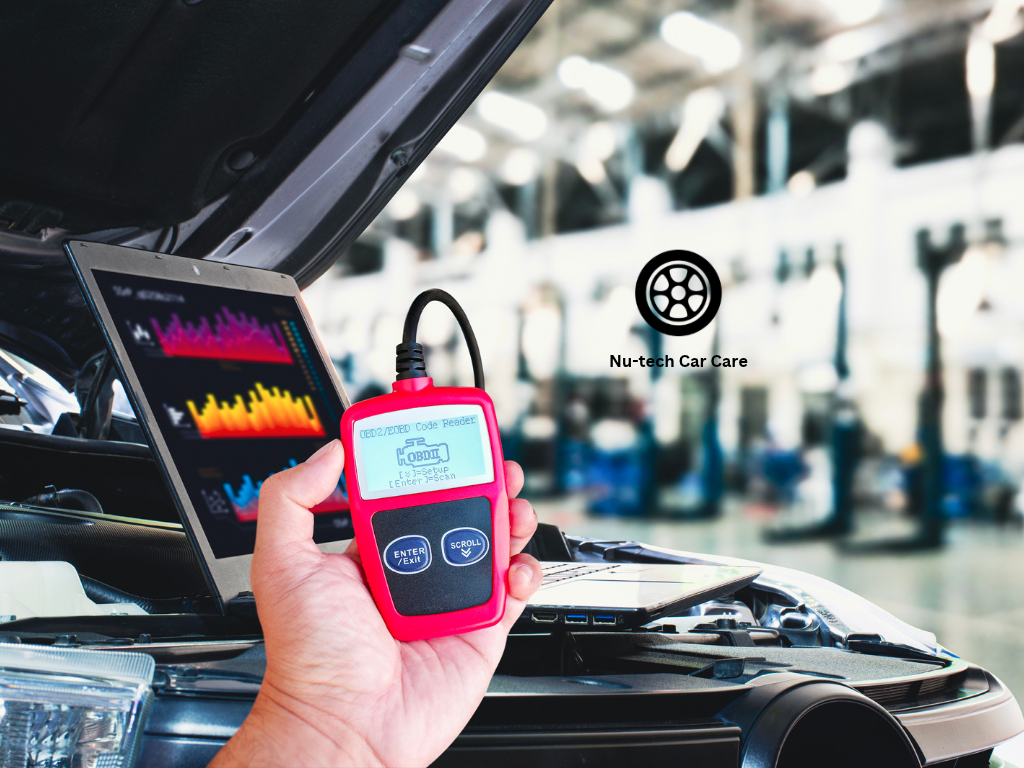
A warning light is often the first noticeable sign that a vehicle’s monitoring system has detected an unusual condition.
The check-engine light can indicate problems involving engine management or emissions-related systems.
Other warning lights may relate to ABS, airbags, stability control or electronically monitored vehicle functions.
Vehicle scanning can help retrieve relevant diagnostic codes and provide information that guides further investigation.
However, not every warning means the same thing.
A steady check-engine light may indicate a problem that requires diagnosis, while a flashing check-engine light can signal a more urgent condition.
If the vehicle is overheating, displaying critical safety warnings or experiencing serious performance problems, stop driving when safe and seek professional assistance.
Changes in Performance That May Indicate a Fault
Not all vehicle problems begin with an illuminated warning light.
You might notice unusual engine vibration, hesitation during acceleration, repeated stalling or changes in fuel consumption.
Transmission problems may also appear as delayed gear changes or inconsistent shifting.
These symptoms can have different causes, making accurate diagnosis important.
Vehicle scanning may help identify related fault codes or unusual sensor readings, but the technician should also consider when the symptoms occur.
For drivers around Sydney and Western Sydney, arranging an appropriate diagnostic inspection when unexplained symptoms develop can help clarify whether further testing or repairs are needed.
A timely assessment is particularly useful before a longer journey if your vehicle has been behaving unusually.
What Problems Can Vehicle Scanning Miss?
Mechanical Issues That Do Not Produce Fault Codes
One important limitation of vehicle scanning is that many mechanical problems do not generate electronic fault codes.
For example, worn brake pads, damaged tyre sidewalls, deteriorating suspension bushes and some fluid leaks may develop without activating a dashboard warning.
A scanner also cannot directly inspect tyre tread depth, measure ordinary brake pad wear or determine whether a suspension component is physically damaged.
These issues require visual checks, measurements or specialised mechanical testing.
This is where professional tyre tech services, brake inspections and suspension assessments remain important.
Another limitation involves intermittent faults.
Some problems only occur at certain speeds, temperatures or operating conditions. If the vehicle has not recorded a relevant fault, a diagnostic scan may provide limited information.
For this reason, a clear scan does not necessarily mean the entire vehicle is in good mechanical condition.
Why Hands-On Inspections Are Still Necessary
A proper vehicle assessment should consider both electronic diagnostic information and the physical condition of relevant components.
For example, a cooling-related diagnostic code might lead a technician to inspect coolant levels, radiator connections, cooling fans and temperature sensors.
A voltage-related fault may require battery testing, alternator checks or electrical circuit inspections.
Similarly, a braking-system warning might require both electronic diagnostics and a physical inspection of the braking components.
These additional checks help determine whether the problem involves a failed component, damaged wiring, mechanical wear or another underlying condition.
Vehicle scanning is therefore most useful when it forms part of a broader diagnostic process rather than being treated as a complete inspection.
Why Is Vehicle Scanning Useful When Buying a Used Car?
Checking for Electronic Problems Before Purchase
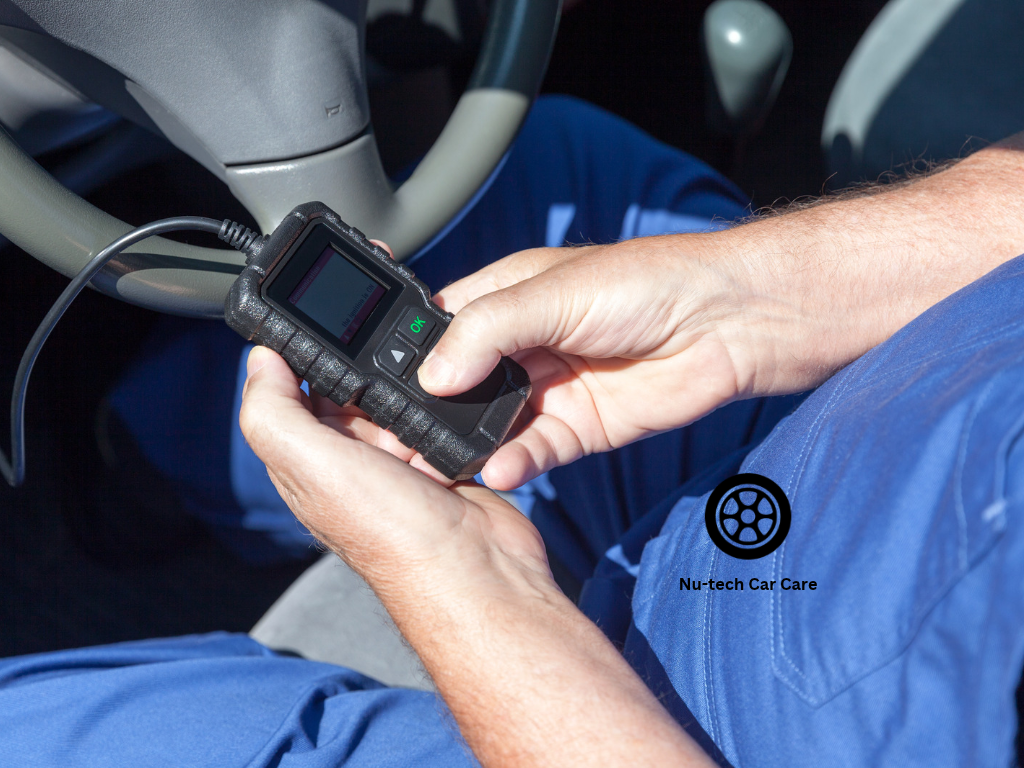
A second-hand car may look well maintained and perform normally during a test drive while still containing stored diagnostic fault codes.
Vehicle scanning can provide additional information about accessible electronic systems before you commit to purchasing the vehicle.
For example, a scanner might reveal a stored engine misfire code, a sensor-related fault or an electronically monitored transmission issue.
Finding these concerns early gives buyers an opportunity to request further inspection, investigate potential repair requirements or reconsider the purchase.
However, diagnostic results are not a guarantee of a vehicle’s condition.
Fault codes can sometimes be cleared, and certain problems may only appear after the vehicle has operated under specific conditions.
A comprehensive pre-purchase inspection should also assess relevant mechanical components, including tyres, brakes, steering, suspension and visible signs of leaks or damage.
Understanding the Difference Between Vehicle Scanning and Rego Checks
Vehicle scanning and registration checks serve different purposes when researching a used car.
A diagnostic scan provides information about accessible electronic vehicle systems.
A rego check, on the other hand, concerns a vehicle’s registration information held by the relevant state or territory authority.
Registration checks may help buyers confirm whether a vehicle is registered and review other available registration details.
However, registration information does not confirm that the engine, transmission or mechanical components are free from problems.
Buyers should also consider suitable vehicle history checks and a comprehensive mechanical inspection.
Combining these steps provides a more complete understanding of the vehicle before making a purchasing decision.
How to Choose the Right Vehicle Scanning Service
Comparing Basic Scanners With Professional Diagnostic Equipment
Vehicle owners can choose from different diagnostic tools, including basic handheld OBD readers and more advanced workshop equipment.
A simple scanner may retrieve common engine-related fault codes and help explain why a check-engine light has appeared.
However, some basic devices cannot access manufacturer-specific information or additional control modules.
People researching an auto current scanner or comparing auto current scanners should understand that automotive fault-code readers and electrical current measurement tools are designed for different purposes.
Professional automotive diagnostic systems may offer access to additional electronic modules, live operating data and supported system tests.
Some vehicles also require manufacturer-specific equipment or software for particular diagnostic procedures.
The best option depends on the nature of the problem and the vehicle’s technical requirements.
For a straightforward warning light, an initial scan may provide useful information. Recurring faults, complex electrical issues or multiple warning lights may require a more detailed diagnostic assessment.
What Makes a Reliable Automotive Diagnostic Service?
When choosing a workshop for vehicle scanning, it is worth asking what is included in the service.
Confirm whether the diagnostic equipment is compatible with your vehicle’s make, model and year.
You should also ask whether the quoted price covers basic fault-code retrieval, diagnostic interpretation or additional testing.
A fault-code report can provide useful information, but it may not explain exactly why a problem has occurred.
A suitable automotive service provider should be able to discuss the findings, explain whether further investigation is required and outline the next steps before repairs begin.
For motorists considering nu-tech car care, contacting the business to discuss the vehicle’s symptoms and confirm available diagnostic or inspection services is a practical starting point.
Choosing a workshop that explains its assessment clearly can help you make informed decisions about maintenance and repair work.
How Vehicle Scanning Supports Better Car Maintenance
Identifying Problems Before They Become More Disruptive
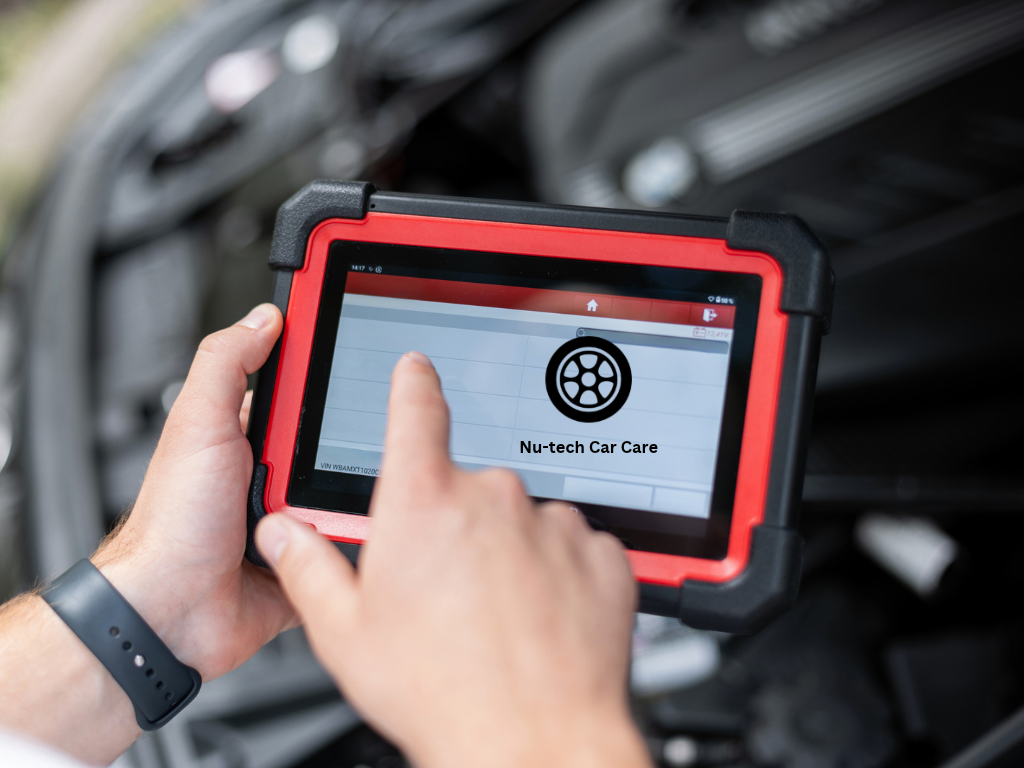
Vehicle scanning can support ongoing maintenance by helping technicians investigate electronically monitored problems.
For example, an intermittent sensor issue may not immediately affect everyday driving, but repeated fault codes could indicate a problem requiring attention.
Investigating the cause may help reduce the likelihood of further complications, depending on the fault involved.
Diagnostic scanning can also assist after repairs by allowing technicians to review relevant fault information and check whether a recorded problem has returned.
However, scanning does not replace regular servicing.
Routine oil changes, fluid checks, brake inspections, tyre maintenance and manufacturer-recommended servicing remain necessary because many wear-related problems cannot be detected electronically.
Combining these maintenance activities with appropriate diagnostic testing helps support a more informed approach to vehicle care.
Knowing When Professional Repairs or Further Testing Are Needed
Different vehicle symptoms call for different diagnostic approaches.
A recurring dashboard warning light may justify vehicle scanning, while difficulty starting the engine may require battery and charging-system testing.
An overheating engine could need cooling-system inspection, and unusual suspension noises may require a physical mechanical assessment.
If you are uncertain which service is appropriate, explain the symptoms to an automotive technician, including when they occur and whether any repairs have already been attempted.
Providing this information can help the workshop determine the most suitable next step.
Vehicle scanning can reveal electronic problems that are not immediately visible, but it cannot identify every possible fault.
For motorists in Sydney and Western Sydney, selecting an automotive workshop that combines suitable diagnostic equipment with professional assessment can help make vehicle maintenance decisions clearer.
If your car has an unexplained warning light, ongoing performance concerns or suspected electronic faults, contact nu-tech car care to enquire about suitable diagnostic and inspection options.
The most important outcome is not simply finding a stored fault code. It is identifying what the information means and determining the appropriate action to keep your vehicle operating safely and reliably.
