

Older commercial properties can remain productive for decades, but the electrical demands placed on them rarely stay the same. Commercial electrical maintenance helps business owners and facility managers understand whether existing wiring, switchboards, lighting, power distribution and protective devices are still suitable for the way a building is being used today. This becomes particularly important when older premises have been renovated several times, changed tenants or accumulated additional equipment without a broader review of the electrical system.
Age alone does not mean an electrical installation is unsafe or must be replaced. The more useful question is whether the existing system is in suitable condition, can support current electrical demand and has been properly maintained. A planned approach can help businesses distinguish between minor maintenance issues and electrical infrastructure that may require repairs, alterations or an upgrade.
Commercial electrical maintenance becomes increasingly useful when a property has undergone years of changes. An older commercial building may have started as an office, warehouse or retail space and later been modified for different tenants, equipment and operating requirements. Each change can affect how electricity is distributed and used across the premises.
The objective is not to replace components simply because they are old. It is to understand the condition of the electrical installation and identify faults, deterioration or limitations that could affect current operations.
How Commercial Electrical Maintenance Helps Ageing Systems
A commercial electrical maintenance program can consider the condition of switchboards, protective devices, power outlets, lighting, fixed wiring and other parts of the electrical installation relevant to the site.
Over time, components can experience wear, heat, vibration, physical damage or environmental exposure. SafeWork NSW notes that regular inspection can identify visible damage and wear, while electrical testing may reveal deterioration that cannot be detected visually. The type and frequency of inspection should reflect the equipment, how it is used and the operating environment.
For an older building, this makes commercial electrical system maintenance more useful than simply reacting to individual faults. A recurring problem may be isolated to one component, but it can also indicate that the wider electrical installation deserves closer assessment.
A maintenance review can therefore help establish what remains serviceable, what requires repair and what may need further investigation.
When Commercial Electrical Maintenance Should Be Reviewed
Commercial electrical maintenance should be considered when a property develops recurring circuit trips, damaged outlets, unreliable lighting, unexplained power interruptions or other electrical issues.
Changes to the way the building is used are another useful trigger. A business may add computers, refrigeration, kitchen equipment, machinery, air conditioning, security equipment or charging infrastructure. These additions can change electrical demand even when the physical building remains largely unchanged.
The same applies after a change of tenancy. An electrical system that adequately supported the previous occupant may not necessarily suit the equipment and working patterns of the next business.
Commercial electrical maintenance gives the business an opportunity to review those changes rather than assuming the existing installation remains appropriate indefinitely.
Understanding the Electrical Risks in Older Properties
Older premises do not all present the same electrical risks. A clean office and a busy warehouse, for example, expose electrical equipment to very different operating conditions. Commercial electrical maintenance should therefore be based on the actual site rather than a generic maintenance schedule.
SafeWork NSW identifies moisture, heat, vibration, mechanical damage, corrosive chemicals and dust as conditions that can increase the likelihood of electrical equipment deteriorating. Warehouses, workshops, commercial kitchens and manufacturing sites may consequently require different levels of inspection and attention from lower-risk office environments.
What Commercial Electrical Maintenance Can Reveal
Commercial electrical maintenance can help identify visible damage, electrical faults, deteriorating equipment and signs that parts of a system are no longer performing as expected.
Some concerns are easy to notice. A damaged power point, flickering fitting or repeatedly tripping circuit gives an obvious indication that investigation is required. Other problems may not be apparent during normal business operations and can require appropriate testing or fault finding.
This is why maintenance should not be reduced to a visual walk-through alone. Depending on the site and the scope, a qualified electrician may need to investigate circuits, protective devices, electrical connections or equipment that has been associated with faults.
SafeWork NSW also advises that the reason an RCD, circuit breaker or other over-current protective device has disconnected the electricity should be determined before it is simply switched back on.
For an older property, keeping records of these faults can make future commercial electrical maintenance more useful because recurring issues can be identified instead of being treated as unrelated events.
Why Commercial Electrical Maintenance Matters After Building Changes
Renovations can substantially change how electricity is used throughout a commercial property.
A former storage area may become an office. A warehouse may introduce new machinery. A retail tenancy may add illuminated signage, refrigeration or additional point-of-sale equipment. An office may increase workstation density or create new meeting rooms.
Commercial electrical maintenance following these changes can help determine whether the existing installation remains suitable for the updated use.
This is particularly important when the history of the building is unclear. A property may have been altered by several previous tenants, and electrical records or drawings may not always provide a complete picture of every change.
Where new electrical wiring work is required in NSW, it must be undertaken by or under the supervision of an appropriately licensed electrician. NSW Government guidance states that the licensing requirement applies to electrical wiring work in residential, commercial and industrial settings.
Understanding the existing system before making further changes provides a more informed starting point for the next commercial electrical project.
Older Switchboards and Changing Electrical Loads
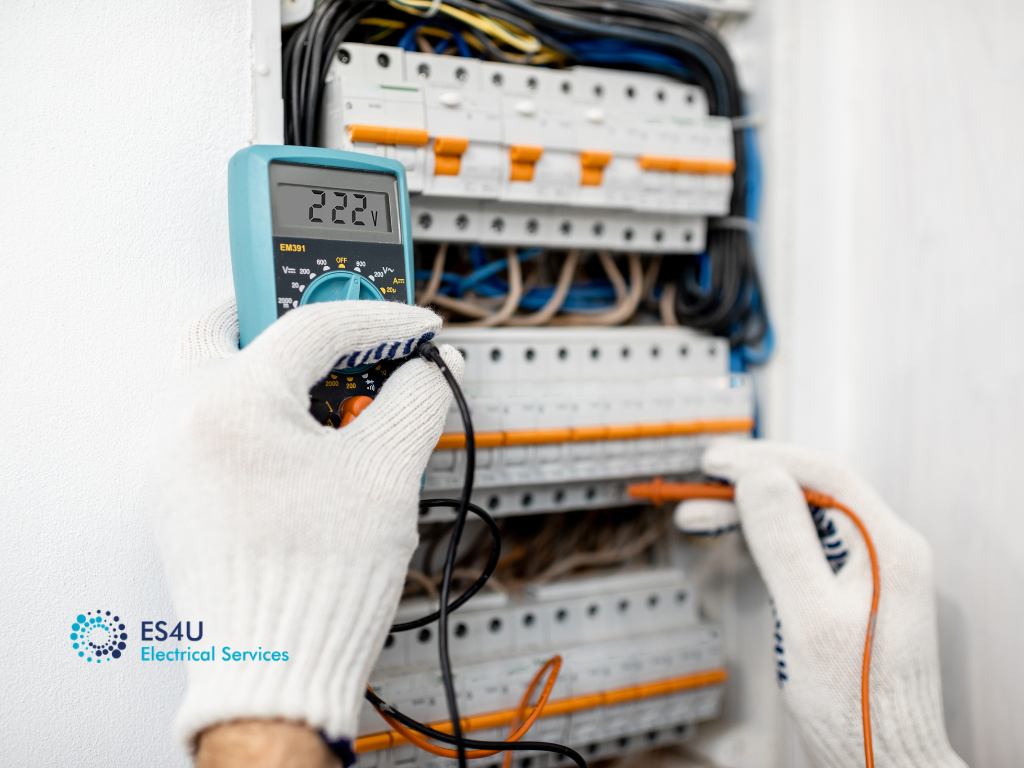
The switchboard is an important part of a commercial electrical installation because it distributes electricity to circuits throughout the property. For that reason, commercial electrical maintenance for an older building should consider the switchboard alongside the equipment and circuits it supplies.
An older switchboard does not automatically require replacement. Its condition, configuration, protective devices and ability to support current requirements need to be assessed in the context of the individual building.
How Commercial Electrical Maintenance Supports Switchboard Safety
Commercial electrical maintenance can help identify switchboard concerns such as damaged components, signs of excessive heat, recurring circuit interruptions or unclear circuit identification.
Changes elsewhere in the building are also relevant. Additional equipment can place different demands on circuits and power distribution compared with the load the property supported when it was originally configured.
A qualified electrician can investigate whether a recurring problem is being caused by faulty equipment, a circuit issue, a protective device or another part of the installation. This avoids assuming that a complete switchboard replacement is always the answer.
For businesses, accurate circuit identification and electrical records can also make later fault finding and maintenance more efficient. This becomes increasingly valuable when an older property has undergone numerous electrical alterations.
When Commercial Electrical Maintenance Leads to an Upgrade
Sometimes commercial electrical maintenance identifies a repair that can be dealt with relatively simply. In other situations, the assessment may show that a broader commercial electrical service upgrade should be considered.
This may occur when a business is planning to add substantial new equipment, reconfigure the premises, increase electrical demand or carry out a major renovation. Repeated electrical faults can also justify investigating whether the problem extends beyond one individual component.
An upgrade should be based on what the building actually requires rather than the age of the property alone.
Where electrical wiring work is undertaken in NSW, compliance documentation also forms part of the process. From 1 July 2026, Certificates of Compliance for Electrical Work are submitted through the Building Commission NSW eCert portal. A CCEW records that relevant electrical wiring work has been tested and complies with applicable legislation and standards.
For an older property, retaining this documentation helps create a clearer electrical history for future commercial electrical maintenance and upgrades.
Planning Maintenance Around Business Operations
Commercial electrical maintenance needs to work around the realities of an operating business. Electrical work can affect lighting, equipment, computers, machinery and other systems that staff depend on throughout the day.
For this reason, good maintenance planning considers not only what work is required but also when access is available, whether circuits need to be isolated and how the work may affect normal operations.
How Commercial Electrical Maintenance Can Reduce Disruption
Planned commercial electrical maintenance allows the business and electrician to discuss access and potential interruptions before work starts.
Some inspections can be completed while a business remains operational, while other tasks may require equipment or circuits to be isolated. Where interruptions are necessary, work may be staged or scheduled around quieter operating periods depending on the site and electrical task involved.
This is particularly useful for retail premises, offices, hospitality businesses, educational facilities and other sites where an unexpected loss of power can affect staff, customers or normal services.
ES4U states that its commercial electrical work in Sydney can be coordinated around business operations, including scheduling work before or after normal office hours where appropriate.
Commercial electrical maintenance cannot guarantee that unexpected electrical faults will never happen, but planned inspections and fault investigation can give businesses a more structured way to manage the condition of their electrical systems.
Using Commercial Electrical Maintenance in Warehouses
Warehouse electrical maintenance in Sydney can involve different considerations from maintenance in a standard office.
Warehouses may contain high-bay lighting, distribution boards, loading areas, machinery, powered equipment and systems that operate for long periods. Dust, vibration, movement of equipment and accidental physical damage may also affect parts of the electrical environment depending on the type of facility.
SafeWork NSW specifically recognises vibration, mechanical damage, heat, moisture and dust as factors that can increase the likelihood of electrical equipment damage or deterioration.
Commercial electrical maintenance in a warehouse should therefore reflect the conditions of the individual site rather than applying the same approach used for every commercial property.
ES4U’s industrial electrical services include warehouse electrical work, switchboards, power distribution, fault finding and electrical upgrades. For warehouse operators comparing providers, it is useful to discuss both immediate maintenance requirements and planned changes to the facility so the electrician can understand the wider electrical context.
Electrical Maintenance During Renovations and Fit-Outs
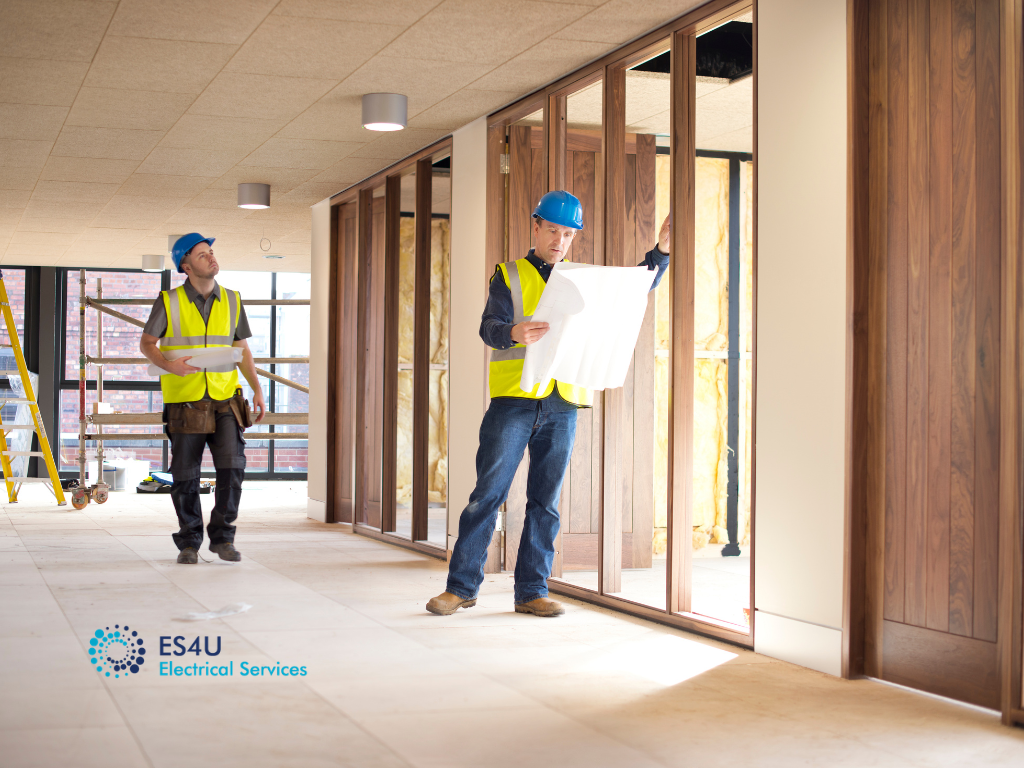
Renovating an older commercial property is an opportunity to look at the electrical system before new walls, ceilings, equipment and finishes make further changes more difficult. Commercial electrical maintenance at the planning stage can help establish what already exists and what may need attention as part of the project.
This is more useful than treating the old and new electrical work as completely separate systems.
Why Commercial Electrical Maintenance Matters Before Renovation
Before a renovation begins, commercial electrical maintenance can help identify existing infrastructure that will remain in service after the project is finished.
A new layout may require additional lighting, power outlets, dedicated equipment circuits, emergency lighting or changes to power distribution. Understanding the existing installation first can help the project team decide what can remain, what requires alteration and whether further investigation is necessary.
This is especially valuable in older buildings where previous renovations may already have changed the original electrical layout.
A commercial electrical project should therefore begin with a clear understanding of both the proposed fit-out and the existing installation. That allows electrical decisions to be made around the actual building rather than assumptions about what may be behind walls or inside existing distribution systems.
Combining Commercial Electrical Maintenance With New Systems
Commercial electrical maintenance can also support a more coordinated approach when new equipment or systems are being introduced.
For example, a refurbishment may include upgraded lighting, additional general power, data-related electrical work, emergency systems or new equipment connections. Rather than installing these items independently, the electrician can consider how they interact with the existing electrical infrastructure.
This creates an opportunity to address known faults or ageing components while access is already available, provided the work is appropriate to the project scope.
For Sydney businesses planning a renovation or fit-out, ES4U’s commercial electrical services cover existing, newly built and under-construction commercial properties, including electrical fit-out and alteration work.
The right commercial electrical solutions should ultimately be based on the condition of the site, the planned use of the space and the electrical requirements of the business rather than a standard package applied to every property.
Choosing the Right Electrical Support for an Older Building
Older properties can require more investigation than straightforward new installations because the electrician may need to understand years of previous modifications before recommending the next step. Commercial electrical maintenance is therefore partly about choosing a provider who can assess the existing installation as well as complete the required work.
Clear communication and documentation become particularly important when a business is deciding between repairing, upgrading or replacing part of an electrical system.
What to Ask About Commercial Electrical Maintenance Services
When comparing commercial electrical maintenance providers, ask how they approach existing systems and recurring faults.
The provider should be able to explain the proposed scope, which areas need inspection, whether shutdowns may be required and what documentation will be provided for relevant electrical wiring work.
Licensing should also be confirmed. In NSW, electrical wiring work requires the appropriate electrical licence or certificate regardless of whether the project is residential, commercial or industrial.
It is also worth asking whether the contractor can assist beyond the immediate maintenance task. An older property may need fault finding now but a switchboard modification, lighting upgrade or wider commercial electrical project later.
For businesses comparing commercial electrical services Sydney providers, having one contractor capable of understanding the existing system and supporting future work can make long-term planning more straightforward.
How a Facility Electrician Supports Commercial Electrical Maintenance
A facility electrician or electrical contractor providing ongoing support can develop familiarity with how a site operates and how its electrical installation has changed over time.
This can be useful where a property experiences recurring faults or has several planned upgrades ahead. Previous maintenance records, electrical drawings, CCEWs and fault histories can give the electrician useful context before new work begins.
Continuity does not remove the need to investigate each electrical problem properly. However, having an organised electrical history can reduce the amount of guesswork involved when future work is planned.
ES4U provides commercial and industrial electrical services across Sydney and can be considered where an older property requires maintenance, fault finding, alterations, fit-out work or an electrical upgrade. The useful starting point is to explain how the site is currently used, what problems have occurred and what future changes are planned rather than requesting a predetermined solution.
Building a Long-Term Electrical Maintenance Plan

Commercial electrical maintenance is most useful when it reflects how the property is actually used. There is no single maintenance timetable that suits every commercial building, because electrical equipment, operating environments and levels of use differ considerably.
SafeWork NSW states that the nature and frequency of electrical inspection and testing depend on factors including the type of equipment, how it is used and the environment in which it operates.
For an older property, the maintenance plan should therefore develop from the condition and history of the site rather than from age alone.
What a Commercial Electrical Maintenance Program Should Cover
A practical commercial electrical maintenance program should consider the parts of the installation relevant to the business and any problems already identified.
This can include switchboards, lighting, safety devices, outlets, electrical equipment connections and recurring faults, depending on the premises. Areas exposed to harsher operating conditions may require different attention from clean, dry office spaces.
Maintenance records are also valuable. Recording what was inspected, what faults were identified and what work was completed makes it easier to understand whether an issue is new or part of a recurring pattern.
Businesses should also avoid assuming that every piece of electrical equipment requires the same testing interval. SafeWork NSW distinguishes between equipment and workplace environments when explaining inspection and testing requirements, particularly where equipment is exposed to conditions likely to cause damage or reduce its expected life.
A site-specific approach keeps commercial electrical maintenance focused on relevant risks rather than unnecessary work.
When Commercial Electrical Maintenance Should Include Upgrades
Commercial electrical maintenance can help a business recognise when continuing to repair individual problems is no longer the only question that needs to be asked.
If the business is expanding, introducing equipment, undertaking a major refurbishment or repeatedly experiencing electrical problems, it may be sensible to assess whether part of the infrastructure needs to be upgraded.
That does not mean an older building automatically needs a complete rewiring or switchboard replacement. A qualified electrician should assess the existing installation and explain what work is actually required.
For businesses in Sydney and Western Sydney, ES4U can discuss commercial electrical maintenance alongside broader commercial electrical solutions, including repairs, switchboard work, fit-outs and industrial electrical services where relevant to the property.
The best time to review an older electrical system is before a known problem becomes an urgent constraint on the business. If your property has recurring faults, has undergone several renovations or is preparing for new equipment or a fit-out, arranging an electrical assessment can help establish whether the next step is maintenance, repair or a planned commercial electrical service upgrade.
