

There is no single price that applies to every roof replacement in Sydney. The final amount depends on the roof’s size, shape, pitch and condition, as well as the chosen materials and the level of access available around the property.
A quotation may also need to cover removal of the existing roof, waste disposal, scaffolding, safety equipment, new flashings and repairs to components hidden beneath the roof covering. Solar panels, skylights, chimneys and other penetrations can introduce additional work.
For this reason, an accurate price normally requires an inspection and a clearly defined scope. Understanding the main cost factors can help homeowners compare quotations without relying on a general price estimate that may not reflect their property.
Roof size, shape and overall complexity
The surface area of the roof is one of the main pricing considerations. A larger roof generally requires more material, labour, fixings and waste removal, but total area is not the only factor.
A simple roof with two broad slopes may be more straightforward to replace than a smaller roof with several valleys, hips, gables and changes in level. Each junction requires measuring, cutting and weatherproofing. Dormer windows, parapets, box gutters, chimneys and roof extensions can make the work more detailed.
The footprint of the house does not necessarily reveal the roof area. Roof pitch and overhangs increase the surface that must be covered. Garages, verandas and additions may also form part of the project even when they are not included in the main floor area.
When requesting a price for roof replacement in Sydney, provide available plans and photographs, but expect the roofer sydney to verify the measurements and conditions on site. A quotation prepared only from an online map may not identify every feature affecting the work.
Roof pitch and working conditions
A steep roof can take longer to strip and install than a low-pitched roof of a similar size. Workers may require additional access systems, edge protection or specialised equipment to complete the project safely.
The roof’s height also matters. Replacing the roof of a single-storey home can involve different access requirements from working on a two-storey house, split-level property or building positioned on sloping land.
Fragile materials and deteriorated sections may create further safety considerations. Contractors need to assess whether the existing surface can support normal access and how materials can be removed without creating unnecessary risk.
These conditions affect both labour and site preparation. A proper quotation for roof replacement in Sydney should therefore reflect the actual building rather than applying a standard rate based only on its floor area.
How Roofing Materials Affect the Quoted Price
Material choice affects the supply price, installation process and supporting components required for roof replacement in Sydney. Common residential choices include concrete tiles, terracotta tiles and profiled metal roofing sydney.
Prices can vary within each category. The manufacturer, profile, colour, finish, product range and availability may all influence the quotation. Premium finishes or products designed for particular environmental conditions may cost more than standard alternatives.
Tiles require an appropriate roof pitch, supporting structure and batten arrangement. Metal roofing uses sheets, flashings, fasteners and installation details suited to the selected profile. These are different systems, so comparing the price of the visible material alone will not show the complete installed cost.
Sydney’s conditions also vary between locations. A coastal property may require closer consideration of material compatibility and exposure, while a home near bushland may have requirements connected with its bushfire assessment. The appropriate product should be selected according to the property and approved design rather than appearance alone.
A detailed quotation should identify the proposed manufacturer, product, profile, finish and colour. Descriptions such as “new metal roof” or “replacement tiles” are too broad for a meaningful comparison.
Changing from one roofing material to another
Replacing a roof with the same general type of material may be simpler than changing the roofing system. Moving from tiles to metal, for example, can alter the weight placed on the structure and require changes to battens, flashings and other details.
A lighter material should not automatically be installed without checking its suitability. The roof geometry, framing, wind conditions, drainage and connection details still need to be considered. Professional advice may be required where the change affects structural or approval requirements.
The new material must also connect correctly with gutters, walls, adjoining roofs, skylights and penetrations. Existing components may not be suitable for reuse simply because they appear to be in reasonable condition.
If a quotation for roof replacement in Sydney includes a material change, it should explain the work needed to complete that transition. Any structural assessment, design work or approval process should be identified so the homeowner knows whether it is included or arranged separately.
Removal, Disposal and Preparation Costs
Removing and disposing of the existing roof
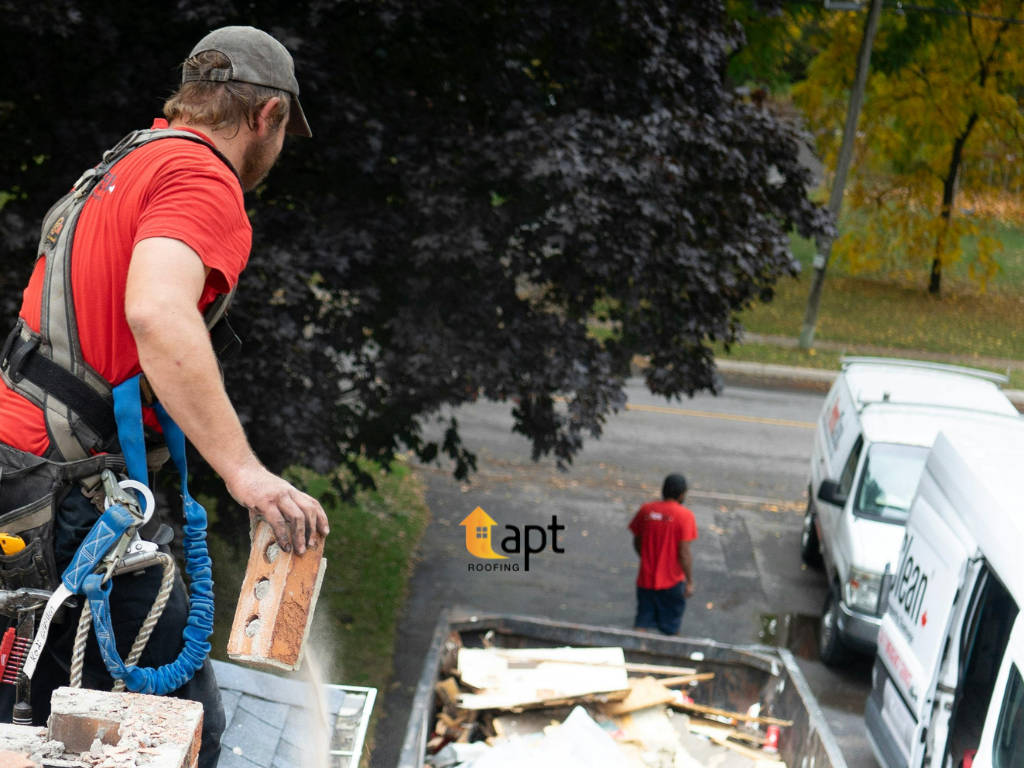
Before the new covering can be installed, the existing tiles or sheets usually need to be removed safely. The cost of this stage depends on the material, roof area, access and disposal arrangements.
Tiles are heavy and may require careful handling to avoid damaging the property below. Long metal sheets need enough room to be lowered and stored without creating a hazard. Contractors must also protect windows, gardens, driveways and neighbouring areas while materials are being moved.
Waste charges can vary according to the volume and type of material being removed. A quotation for roof replacement in Sydney should state whether removal, loading, transport and disposal are included.
Older buildings may contain materials that require specialist assessment or removal. If suspected asbestos-containing material is present, it should not be disturbed based on appearance or assumption. The homeowner should arrange appropriate identification and licensed removal where required.
The quotation should also explain whether gutters, old insulation, flashings, battens or other components will be removed. This prevents uncertainty about what will remain once the visible roof covering is taken away.
Preparing the structure for the new covering
The condition beneath an existing roof cannot always be confirmed before removal. Once the covering is lifted, contractors may find damaged battens, deteriorated timber, corroded metalwork, torn sarking or evidence of long-term water entry.
Some preparation should be predictable and included in the original scope. Other deterioration may remain concealed until work begins. The contract should explain how these findings will be documented and how the homeowner will approve additional work.
Roof replacement in Sydney may also provide an opportunity to review insulation, ventilation and sarking. These components have different functions and should be selected as part of the complete roof design rather than treated as interchangeable extras.
Replacing insulation or installing new sarking can add to the project cost, but completing the work while the roof is open may be more practical than trying to access the same area later. The proposed products, locations and installation responsibilities should be confirmed in writing.
Structural damage is outside the scope of a simple covering replacement and may require a builder, engineer or another appropriately qualified professional. The roofer should explain when additional assessment is needed instead of covering over an unresolved problem.
Access, Scaffolding and Site Logistics
Roof work involves fall risks, so safe access and suitable controls are essential. The requirements depend on the building’s height, roof pitch, site boundaries and surrounding surfaces.
A contractor may need scaffolding, edge protection, roof-access equipment or other safety systems. These provisions take time to install and remove and may represent a noticeable part of the quotation.
Closely spaced neighbouring homes can make access more complicated. Scaffolding may need to fit within narrow side passages or be coordinated with an adjoining owner where access beyond the property boundary is proposed.
A quotation for roof replacement in Sydney should identify the access and safety equipment included. If scaffolding is priced separately, confirm whether the amount covers delivery, installation, hire for the expected project duration and removal.
Weather delays may extend the time equipment remains on site. The contract should explain who carries the cost if the hire period changes because of weather, unexpected repairs or another project delay.
Managing deliveries and waste on Sydney properties
Roofing materials need a safe place for delivery and temporary storage. Long sheets, pallets of tiles, flashings and waste containers can require considerable space.
Some Sydney homes have narrow driveways, limited street parking or restricted access. Inner-city properties, terraces and houses on steep blocks may require smaller deliveries or additional manual handling. Local parking rules and permitted working hours can also affect site planning.
Overhead powerlines, trees, carports and neighbouring buildings may restrict where materials can be lifted or stored. These issues should be reviewed before work begins.
For roof replacement in Sydney, the contractor should explain how materials will enter the site, where waste will be held and which parts of the property need to remain clear. Homeowners should also confirm whether vehicles must be moved and whether gardens, paving or outdoor equipment need protection.
Good logistical planning does not remove every inconvenience, but it reduces the likelihood of unexpected handling costs or delays once materials arrive.
Additional Work That Can Change the Final Cost
Flashings, gutters, skylights and roof penetrations
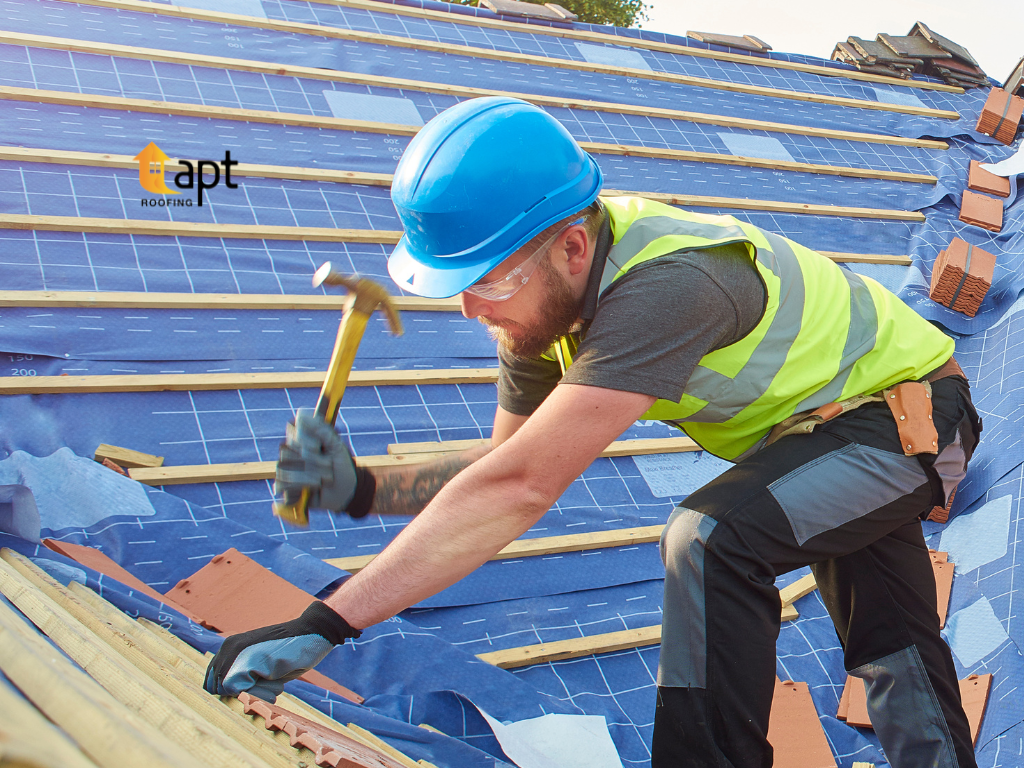
A roof is a complete weatherproofing system rather than a collection of tiles or sheets. Flashings, gutters, valleys, cappings and penetrations all need to direct water away from the building.
Custom flashings may be required around chimneys, parapets, adjoining walls and changes in roof level. Standard components may not suit every property, particularly where previous extensions have created unusual junctions.
Skylights, vents, antennas and solar equipment can also affect roof replacement in Sydney. The quotation should state whether these items will remain, be replaced or require removal and reinstatement by another contractor.
Solar panels involve electrical equipment and should be handled by appropriately qualified people. Responsibilities for isolation, removal, storage, reinstallation and testing should be agreed before roofing work starts.
Gutters and downpipes may not need replacement simply because the roof covering is changing. However, their condition, capacity and compatibility with the new work should be checked. If they are excluded, this should be clear in the quotation.
Hidden deterioration discovered during removal
Concealed damage is one of the main reasons a final cost may differ from an initial quotation. Water entry can affect timber, insulation, plasterboard and electrical components without creating an obvious problem on the roof surface.
A contractor should not invent an allowance for unspecified repairs and present it as a confirmed requirement. Instead, the quotation should identify what can be inspected, what remains unknown and how variations will be managed if damage is uncovered.
For a roof replacement in Sydney, a reasonable variation process should describe the defect, proposed remedy, additional cost and effect on timing. The homeowner should have an opportunity to review and authorise the work before it proceeds, except where immediate action is needed to make the site safe.
Photographs can help document concealed conditions after the roof has been opened. They also provide a useful record of why additional work was recommended.
Not every unexpected issue requires extensive reconstruction. The scope should remain proportionate to the damage and supported by appropriate advice where structural, electrical or other specialist work is involved.
Replacement Compared with Repair or Restoration
A damaged section does not always mean a complete roof replacement in Sydney is necessary. Localised repairs may be suitable when the broader roof remains serviceable and the source of the problem can be identified.
Residential roof repair Sydney may include replacing isolated broken tiles, renewing a damaged flashing, securing selected metal sheets or correcting a local drainage problem. The appropriate work depends on the roof type and actual defect.
Repairs should address the cause rather than only the visible symptom. Water can travel beneath the roof covering before appearing inside, so a ceiling stain may not sit directly below the entry point.
Emergency roof repair Sydney may involve temporary weatherproofing after a storm or sudden failure. This work can protect the property until a permanent repair or replacement is planned, but temporary measures should not be confused with a complete long-term solution.
If repairs have repeatedly failed or deterioration has become widespread, further investigation may show that replacement offers a more practical outcome. The contractor should explain this conclusion rather than relying solely on the roof’s age.
When restoration may not be enough
Roof restoration in Sydney generally involves broader maintenance and surface work without replacing the complete roof covering. Depending on the roof, it may include cleaning, replacing damaged components, repairing ridge areas and applying a compatible coating.
Restoration may be appropriate where the underlying roof remains serviceable. It cannot reliably correct structural movement, widespread corrosion, extensively deteriorated materials or unsuitable roof details.
A freshly coated roof may look improved, but appearance does not confirm that hidden weatherproofing problems have been resolved. Homeowners should ask what defects the proposed restoration will address and which existing components will remain unchanged.
When comparing restoration with roof replacement in Sydney, request separate written scopes. This makes it easier to understand whether the lower-cost option provides a cosmetic improvement, targeted maintenance or a broader functional outcome.
The decision should reflect the roof’s condition and the homeowner’s plans. Replacement should not be recommended automatically, but restoration should not be used to postpone necessary work when the existing system is no longer suitable.
How to Compare Sydney Roofing Quotations

Check the scope, materials and exclusions
Quotations are easier to compare when every contractor receives the same project information. Provide details about leaks, previous repairs, roof-mounted equipment and any known access restrictions.
A quotation for roof replacement in Sydney should identify the roof areas included, removal work, new materials, flashings, fixings, access systems, disposal and expected timeframe. It should also explain warranties, payment stages and exclusions.
Check whether the price includes gutters, insulation, sarking, solar-panel coordination, skylights and repairs to concealed damage. Do not assume these items are included because another roofer in Sydney placed them within a similar quotation.
Provisional allowances should be explained clearly. Ask what each allowance covers and how the final amount will be calculated.
Internal links can help homeowners continue their research without repeating the same information. Relevant links may lead to pages about residential repairs, emergency assistance, metal roofing, tile roofing, restoration and roof inspections.
A clear scope allows the homeowner to compare the proposed result, not merely the figure at the bottom of the quotation.
Confirm credentials and relevant experience
Before engaging a contractor, confirm that the business has the credentials required for the proposed work. Service NSW provides an online tool to check a builder or tradesperson licence.
Licensing requirements depend on the type and value of the work. In NSW, roof plumbing includes installing, renovating, repairing and maintaining metal roof coverings, guttering, downpipes and flashings. Current details are available through the NSW Government’s roof plumbing guidance.
Experience should also match the proposed project. Roofers in Sydney may work with different materials, property types and access conditions. Ask whether the contractor regularly completes replacement projects involving your roof type and whether appropriately qualified specialists will handle electrical, structural or hazardous-material work.
APT Roofing can discuss roof replacement, repair and restoration options for homes across Sydney. Any recommendation should follow an assessment of the property and clearly explain the proposed materials, inclusions, exclusions and site requirements.
Before requesting a final quotation, gather any available plans, maintenance records and information about previous leaks or alterations. Contact APT Roofing to arrange an inspection and obtain a scope based on the roof’s actual size, condition, access and replacement requirements.
