

Timber veneer can bring the warmth and natural grain of wood to cabinetry, doors, furniture and wall linings. It can also cover a large surface with a thin decorative layer of timber. However, these features alone do not prove that a product is sustainable.
A responsible specification should consider the complete product. This includes the timberwood panel, species, source, veneer type, substrate, adhesive and finish. The project team should also review certification, samples and supply documents.
The term sustainable veneer should describe a product choice supported by clear evidence. It should not act as a broad label for any thin timber surface. This guide explains how to prepare a practical specification for an Australian interior project.
Identify the application, expected use and design goals
Start by identifying where the veneer will go. Cabinet doors, wall panels and reception counters face different conditions. A decorative wall may receive little contact, while a table or counter must handle regular use and cleaning.
The application affects the substrate, finish and edging. It may also influence the veneer thickness, panel size and joint layout. Areas near windows may receive more sunlight, which can change the timber colour over time.
Consider how long the product should remain in service. A durable product that suits its location may need fewer repairs or replacements. This makes performance an important part of a responsible material decision.
The design brief should describe the desired colour and grain. It should also state whether the client accepts natural variation. A small sample cannot show every feature that may appear across a large installation.
Wood veneer design works best when appearance and performance develop together. Early planning can prevent unsuitable products from reaching the approval stage.
Set clear sourcing and sustainability requirements
Avoid using “sustainable” without explaining what it means for the project. The specification should name the evidence that the supplier must provide.
The project may require certified timber, legal origin information or product emissions data. It may also set requirements for the substrate, adhesive or coating. These are separate issues and need separate evidence.
Record the required certification system and product claim. Do not write “environmentally certified” if the project expects a specific chain-of-custody claim.
You should also decide which parts of the panel must meet the requirement. Does it apply only to the decorative face? Does it include the substrate and edging? A clear answer will help suppliers quote the same product construction.
If a client policy, building rating tool or government contract sets the rules, use its exact wording. Do not replace formal requirements with a general sustainability statement.
Select the Species and Veneer Type
Natural veneer comes from timber that manufacturers slice or peel into thin leaves. It retains the grain, colour and features of the original log. Variation forms part of its natural appearance.
Reconstructed veneer goes through further processing to create a planned grain or colour. Manufacturers may use plantation-grown timber or other available wood inputs. The finished pattern can offer greater consistency across large projects.
Dyed veneer uses colour treatment to create a particular tone. Some products combine dyeing with reconstruction. Ask the supplier to explain the product rather than relying only on its trade name.
No veneer type is automatically the most responsible choice. Natural veneer may use decorative timber efficiently across many panels. Reconstructed products may simplify matching and reduce visual rejection. Both still need sourcing and product evidence.
The right choice depends on the application, design and required documentation. Compare the complete products rather than judging them by appearance alone.
Review species origin, availability and natural variation
Name the timber species in the specification. Include the botanical name when origin, trade controls or conservation status require greater certainty.
Ask where the timber grew and where manufacturers processed it. These locations may differ. A locally stocked product does not always contain Australian-grown timber.
Availability also matters. A rare or irregular supply may create problems for a large fit-out. Future repairs may become harder if the same veneer cannot be sourced again.
Natural grain and colour can vary between logs. Discuss the acceptable range before approving production. If the project needs several adjoining panels, ask whether the supplier can reserve enough veneer from the same selection.
Consider an alternative species where sourcing or supply creates concern. The alternative should meet the visual, technical and documentation requirements. Record it as an approved option rather than allowing an uncontrolled substitution.
Specify the Cut, Grain Direction and Matching Method
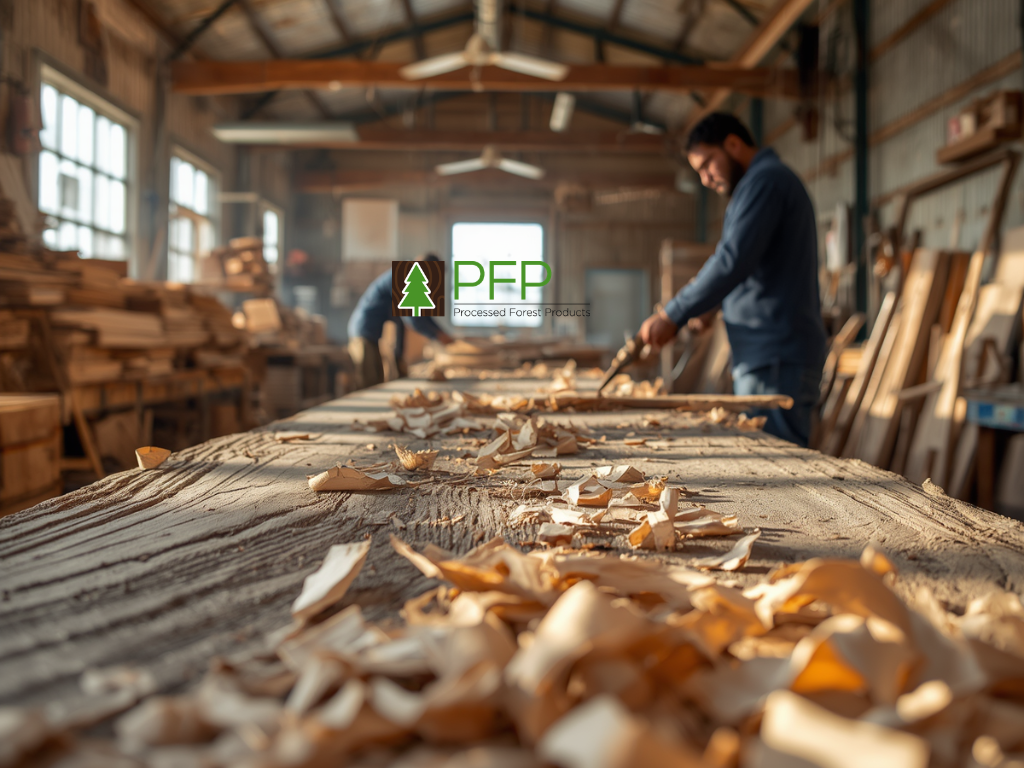
Choose a cutting method that supports the intended grain
The way a manufacturer cuts the log affects the grain pattern. Crown-cut veneer often shows wider, curved grain. Quarter-cut veneer usually creates a straighter and more linear appearance.
The species can also influence the result. Two veneers with the same cut may show different figure, colour and grain movement.
Name the cut in the specification when it matters to the design. A vague request for oak or walnut veneer will not define the finished appearance.
Grain direction also needs attention. Vertical grain can make a door or wall panel feel taller. Horizontal grain may create visual length across joinery. Neither direction is always correct.
Show the grain direction on elevations and joinery drawings. This will help the supplier plan the veneer leaves and panel layout before manufacturing starts.
Plan book matching, slip matching or another panel layout
Matching describes how manufacturers arrange veneer leaves across a surface. The chosen method can change the rhythm, symmetry and amount of natural variation.
Book matching places adjoining leaves in a mirrored arrangement. It can create a balanced pattern, although reflected light may make alternate leaves appear slightly different in colour.
Slip matching places consecutive leaves in the same direction. This method can create a repeated grain flow. The result will still vary according to the timber and how each leaf reflects light.
Other layouts may include random matching, reverse slip matching or sequence matching. Ask the supplier which methods suit the chosen veneer and panel sizes.
Large walls and adjoining doors need careful planning. Confirm the location of joins, openings and hardware before production. Late layout changes may waste veneer or interrupt the intended grain sequence.
Build the Complete Veneered Panel Specification
Most interior projects apply veneer to a supporting board. Common substrates include MDF, particleboard and plywood. Each option has different properties.
The substrate can affect weight, stability, machining and edge appearance. It may also carry separate certification, emissions or fire-performance information.
Choose the substrate according to the application. A cabinet door needs different performance from a fixed decorative wall. Moisture exposure, hardware and panel size may also guide the choice.
Ask for technical data instead of assuming that all timber panels perform in the same way. The complete panel must suit its location and intended use.
The specification should name the substrate type, grade and thickness. It should also state whether the back requires a balancing veneer or another suitable layer. Balanced construction can help manage panel stability, but the manufacturer should advise on the correct method.
Clarify edging, balancing layers and veneer laminate products
Visible edges need their own specification. Options may include matching veneer edging, solid timber or another compatible material. The right choice depends on appearance, wear and machining.
The rear face also matters. Some panels require the same veneer on both sides. Others may use a balancing layer selected by the manufacturer. Confirm what the quoted product includes.
The term veneer laminate can cause confusion. Some suppliers use it for prefinished real timber veneer with a backing. Other products may imitate wood without using a natural timber face.
Ask the supplier to identify the surface clearly. The product description should state whether it uses natural timber, reconstructed veneer or a printed decorative finish.
A complete timber wood panel specification should describe every main layer. It should cover the veneer face, substrate, back, edging, adhesive and coating. This avoids comparing quotes for products with different constructions.
Approve Samples, Coatings and Finished Appearance
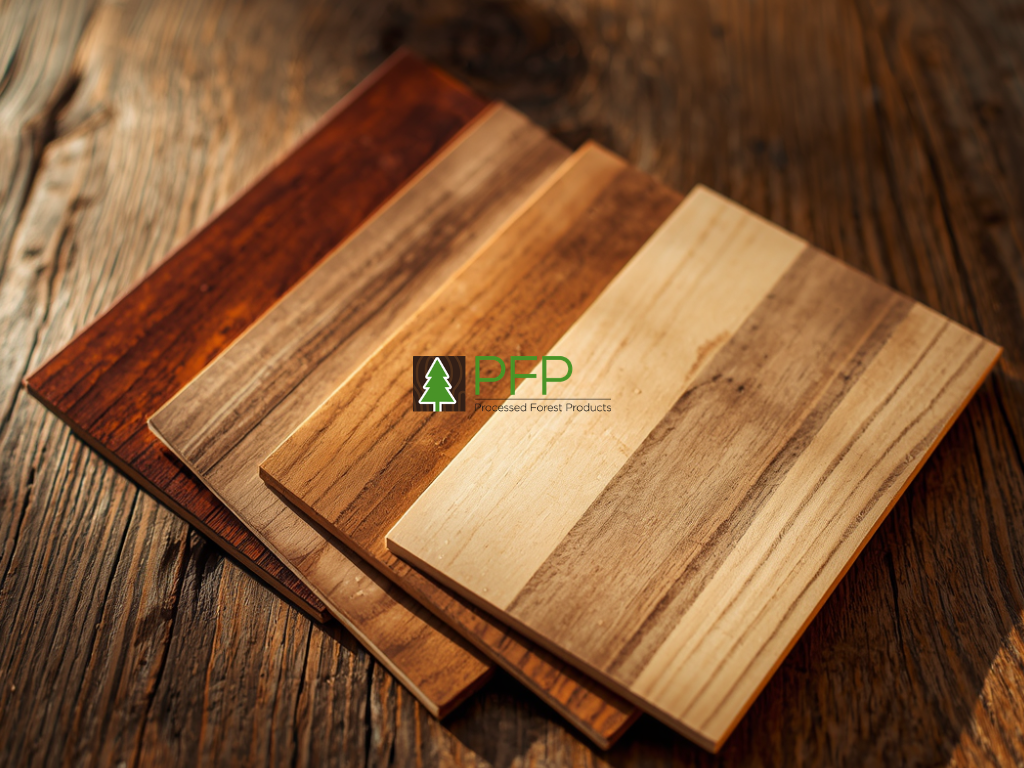
Review representative samples under the project lighting
A small veneer sample provides useful guidance, but it cannot represent a whole log or installation. Ask for a larger sample when grain movement and colour variation matter.
Review the sample under lighting that resembles the finished space. Daylight, warm lighting and cool lighting can change the way timber appears.
The coating can also affect colour and contrast. An unfinished veneer leaf may look different after sealing. Approval should therefore cover both the veneer and the proposed finish.
Label the approved sample with the species, cut, matching method and supplier reference. Add the approval date and project name. Loose samples can easily lose their context.
For large or visually important work, consider approving a full-size sample panel. Forest Products can discuss sample options, veneer matching and panel construction before production. Confirm current products and services for the specific project.
Test finishes for colour, sheen, wear and cleaning needs
The finish protects the timber surface and affects its final appearance. Clear coatings can deepen the colour, while stains can change it more noticeably.
Select a sheen that suits the design and expected handling. High-gloss surfaces may show fingerprints and reflections. Lower-sheen finishes may create a softer appearance.
The coating should suit the location. Wall panels have different wear needs from tables, doors and reception counters. Ask the coating supplier or manufacturer for care and maintenance guidance.
Where indoor air quality forms part of the brief, request product-specific information for the adhesive, substrate and coating. A low-emissions finish does not establish the performance of the complete panel.
Approve the final coating system on the chosen veneer. Testing on an unrelated species may not show the same colour or grain response.
Request Certification and Product Evidence
FSC-certified veneer may suit projects that require material supplied under the Forest Stewardship Council system. However, the supplier must confirm that the selected product can carry an eligible FSC certified veneer claim.
A business may hold FSC chain-of-custody certification without selling every product as certified. Check the organisation’s certificate scope and current status through the official FSC database.
The quote and invoice should show the relevant claim where the project requires one. A logo on a brochure does not replace product-specific sales documents.
Other certification systems may also meet the project brief. Responsible Wood operates an Australian scheme endorsed by PEFC. Use the system named in the client’s requirements or project specification.
Do not treat legal sourcing and forest certification as identical. They address related but different questions. Keep the supporting evidence for each requirement in the project records.
Check certificate scope, product claims and sales documents
Ask the supplier for its certificate number and certification body. Verify that the details match the business supplying the product.
Next, confirm whether the certificate covers the relevant activities and products. The scope may include veneer trading, joining, pressing or panel manufacturing. It may not include every material in the supplier’s range.
Review the proposed product claim before ordering. The wording should come from the certified supplier. Do not create your own certification language.
Keep the quotation, order confirmation and invoice. These documents connect the approved specification with the material that the project purchased.
Product data sheets can support the review, but they serve a different purpose. They may describe dimensions, finishes or performance without confirming the chain-of-custody claim for a specific sale.
Record the Specification Before Production Begins
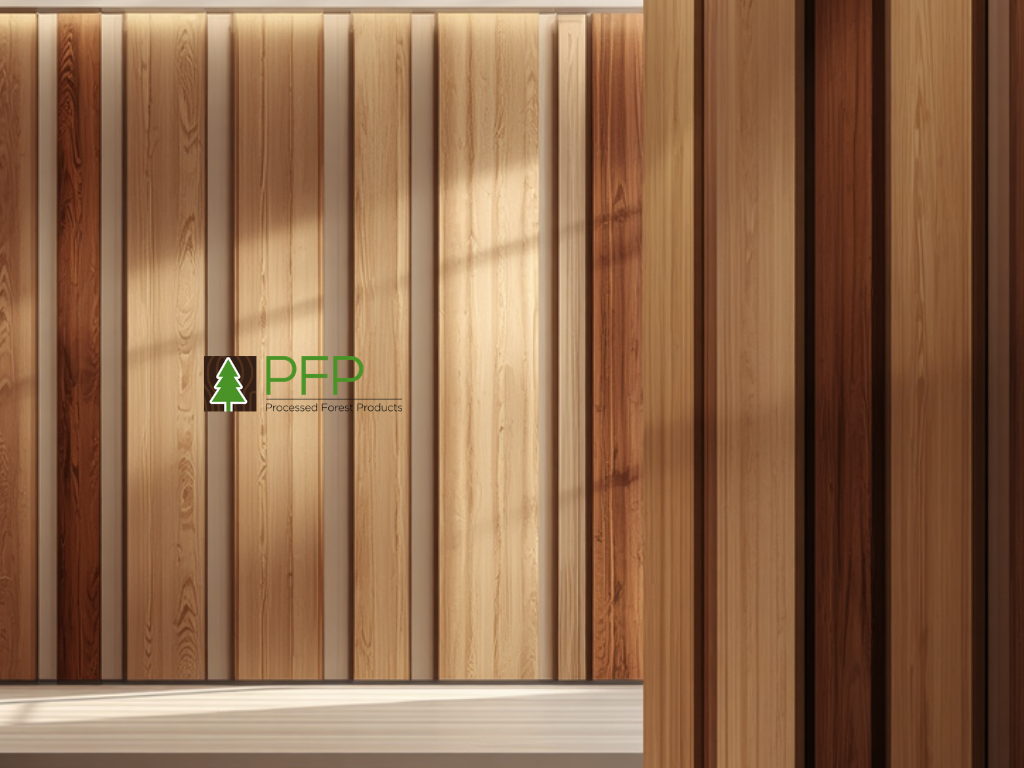
Document panel sizes, grain direction and installation details
The final specification should identify the veneer species, type and cut. It should also record the matching method, grain direction and approved visual range.
Add the substrate, panel thickness and balancing layer. Include the edging, adhesive and finish where these details form part of the supply.
Drawings should show panel sizes, joins, doors and openings. Mark the grain direction clearly. For sequence-matched timber panels, give each panel a unique reference.
Installation details may affect manufacturing. Tell the supplier about fixing points, hardware, cut-outs and site dimensions before production.
A complete schedule gives the designer, manufacturer and installer one shared reference. It also supports more accurate ordering and project records.
Manage substitutions, approvals and final project records
Treat every proposed substitution as a new product review. A similar colour does not prove equal sourcing, certification or performance.
Check the species, veneer type, substrate and finish again. Review the certification and technical documents. The project team should also approve a new sample.
Keep all approvals in writing. Store the final specification, drawings, samples, certificate details and sales documents together.
When requesting sustainable veneer options from Forest Products, provide the application, dimensions and approximate quantity. Include the preferred species, substrate and matching method. State any certification or documentation requirements at the beginning of the enquiry.
A clear specification helps suppliers quote the same scope and reduces uncertainty during manufacturing. It also gives the project a stronger basis for any sustainability claims made after completion.
