

Moving into residential care can be a major change for a person with dementia and the people who support them. An unfamiliar room, different faces and a new daily routine may cause confusion, distress or repeated questions, even when the move is necessary for the person’s safety and care needs.
There is no single way to make the transition easy. Dementia affects each person differently, and adjustment may take days, weeks or longer. What helps one person may not reassure another. The most useful approach is usually built around the person’s history, communication style, familiar routines and sources of comfort.
Families researching aged care for dementia patients can make the transition more manageable by preparing early, choosing an appropriate home and working closely with the care team. This guide explains what to consider before the move, how to make the new environment feel familiar and how to maintain a meaningful relationship after residential care begins.
The information below is general guidance. Families should seek individual advice from healthcare professionals and the chosen residential care provider where a person has complex medical, behavioural or decision-making needs.
Involve the Person in Decisions Wherever Possible
A dementia diagnosis does not automatically prevent someone from participating in decisions. The person may still be able to express where they would prefer to live, what matters to them and how they want their daily care provided.
Try to begin the conversation before an urgent move becomes necessary. Use simple explanations, discuss one issue at a time and allow enough time for the person to respond. Presenting too many choices at once may make the discussion harder to follow.
The level of involvement will depend on the person’s decision-making ability and the particular decision being made. Someone may find a complex financial discussion difficult but still be able to choose between two rooms, identify favourite belongings or explain their preferred morning routine.
If the person has formally appointed a substitute decision-maker, that person may need to become involved in certain decisions. However, the resident’s wishes, values and preferences should remain central. Support should help the person participate rather than unnecessarily excluding them from the process.
Gather the Information the Care Team Will Need
Before the move, prepare information that will help staff understand the person beyond their diagnosis. Include their preferred name, family connections, previous work, cultural background, faith, hobbies, favourite music and important life experiences.
Daily details can be equally valuable. Explain when the person usually wakes, how they like their tea, what foods they enjoy, whether they prefer a shower or bath and which evening habits help them relax. Familiar patterns can provide reassurance when many other parts of life have changed.
The care team should also know how the person communicates pain, tiredness, hunger, fear or discomfort. A person who cannot explain pain clearly may become withdrawn, restless or upset instead. Sharing these signs can help staff look for an underlying need rather than treating the behaviour as the problem.
Provide current clinical and medication information through the appropriate admission process. Make sure the home knows about allergies, mobility needs, dietary requirements, sleep patterns and any known causes of distress. The provider can explain which records and assessments are required.
Choose a Home That Can Support Changing Dementia Needs
Not every person with dementia needs to live in a dedicated secure unit. Some general residential homes can provide appropriate support, while people with particular safety, behavioural or clinical needs may benefit from dementia specific aged care facilities.
When comparing providers, ask how employees are trained to support people living with dementia. Find out how staff respond to distress, changes in behaviour, disturbed sleep, repeated questions and difficulty accepting personal care.
Ask how the home assesses pain, particularly when a resident cannot describe it clearly. It is also important to understand how medication is reviewed, how health changes are escalated and which doctors or allied health professionals can be involved.
Families should clarify how information is shared. A provider should be able to explain who the regular contact person will be, how relatives can contribute to care planning and how they will be informed about significant changes or incidents.
Some families search specifically for alzheimers nursing homes, dementia and memory care facilities or memory care residential homes. These terms can be useful when beginning research, but the service label alone does not demonstrate suitability. The family still needs to examine staffing, clinical care, communication, environment and the provider’s ability to meet the individual’s current and future needs.
Look Beyond Appearance When Touring a Home
An attractive reception area does not necessarily show how well a home supports people with dementia. During a visit, pay attention to how staff speak with residents, whether the atmosphere feels calm and whether people appear comfortable and meaningfully occupied.
A dementia-friendly environment should be understandable and easy to move through. Useful features may include clear signs, visible bathrooms, suitable lighting, contrasting colours, quiet spaces and safe access to outdoor areas.
The environment should support movement without creating unnecessary obstacles or confusion. Ask how the home assists residents who walk frequently, become disoriented or try to leave because they believe they need to go somewhere familiar.
Activities should reflect individual interests and abilities. A large activity calendar can look impressive, but the more important question is whether staff adapt activities for each person. Gardening, folding clothes, listening to familiar music or helping to set a table may be more meaningful than an unfamiliar group program.
Dementia Australia recommends considering staff skills, person-centred care, family involvement, pain management, restrictive practices and access to relevant specialists when choosing residential care. Its residential care guidance also provides practical questions for families visiting shortlisted homes.
Plan a Calm and Reassuring Moving Day

Keep Explanations Simple and Supportive
The person may not remember earlier discussions about the move. Repeating every reason residential care became necessary may cause the person to experience the distress as though they are hearing the news for the first time.
Use short and reassuring explanations suited to the person’s understanding. Focus on immediate needs, such as getting comfortable, having a meal or meeting someone who will help them.
Avoid arguing if the person rejects the explanation or remembers events differently. Correcting every detail may increase distress without improving their understanding. It can be more helpful to acknowledge how they feel and gently direct attention towards something familiar.
Communication should remain respectful. Speak with the person rather than discussing them in front of staff as though they are not present. Even when words become difficult to understand, tone, facial expression and body language can continue to communicate reassurance or tension.
Dementia Australia’s communication guidance recommends calm, clear communication and allowing time for the person to respond.
Reduce Unnecessary Stress and Disruption
Coordinate the arrival with the residential home before moving day. Ask when the team recommends arriving and whether the room can be prepared in advance. Some people may settle more comfortably earlier in the day, while others have an established time when they are usually calmer.
Keep the number of people involved manageable. Too many conversations, instructions and goodbyes can become overwhelming. Choose one or two familiar people who can provide steady reassurance and communicate clearly with staff.
Prepare essential medication, documents, clothing and comfort items before the day arrives. Label belongings clearly and ask the provider what can be brought into the room.
The first day may not proceed according to plan. The person might want to leave immediately, refuse a meal or become upset when family members depart. Ask staff how they usually manage arrivals and agree on a departure approach before the move.
A long or emotional goodbye may increase distress for some people, while an abrupt departure may be upsetting for others. The right approach depends on the individual, so use what the family knows about the person together with guidance from experienced staff.
Make the New Bedroom Feel Familiar
Familiar objects can help a new room feel more personal. Consider bringing photographs, a favourite bedcover, a familiar chair, artwork, music, books or small ornaments that the person recognises.
Choose items connected with positive memories and established routines. A familiar clock, dressing gown, radio or bedside photograph may provide more comfort than new decorations purchased for the room.
Photographs can also help staff begin conversations. Include clear pictures of important people and, where useful, add simple labels identifying names and relationships.
Ask the provider what furniture, electrical items and personal belongings are permitted. The room needs to remain safe and accessible, particularly where the person uses a mobility aid or is at risk of falling.
Valuable or irreplaceable items may not be suitable for communal residential care. Consider using copies of important photographs and choosing meaningful objects that would not cause significant loss if accidentally damaged or misplaced.
Create Comfort Without Adding Confusion
Personalisation should be balanced with a calm and easy-to-understand environment. Too many objects, patterns or unfamiliar decorations can make it difficult for the person to find what they need.
Keep commonly used belongings visible and place them in consistent locations. Clear labels or simple pictures may help identify drawers, wardrobes and bathroom doors, depending on the person’s needs.
Lighting should make the room comfortable and easy to navigate. Shadows, glare or poor contrast can sometimes make objects harder to recognise. Ask staff whether any environmental changes could support safer movement.
A familiar room cannot remove all confusion, particularly during the early adjustment period. However, it can give staff useful ways to redirect attention, start conversations and help the resident reconnect with established parts of their life.
Help Staff Understand the Person Behind the Diagnosis

Share Personal Routines, Preferences and Life History
Quality dementia support begins with knowing the person rather than concentrating only on their symptoms. A short personal profile can help employees understand the resident’s habits, values and communication.
Explain what a good day looked like before the move. This may include a morning newspaper, a particular breakfast, an afternoon walk, gardening, music or a telephone call with family.
Include preferences for personal care. The person may be uncomfortable receiving assistance from someone of a particular gender or may need staff to explain each step slowly before beginning. They may have cultural or religious practices that affect meals, clothing, physical contact or daily routines.
Language also matters. If English is not the person’s first language, they may return more often to an earlier language as dementia progresses. Share familiar words, phrases and forms of address, and ask how the home provides language support.
Older search phrases such as “nursing home dementia” and “nursing home patients” may appear during online research. However, person-centred care recognises residents as individuals with histories, rights and preferences, rather than defining them as patients or by their diagnosis.
Explain Triggers and Successful Calming Strategies
Families often know which situations cause distress and what has helped in the past. Tell staff if the person becomes frightened by loud voices, mirrors, crowded rooms, unfamiliar touch or being hurried.
Also share early signs that the person is becoming unsettled. Pacing, calling out, withdrawing or repeatedly checking a door may communicate pain, tiredness, fear, boredom or a need to use the bathroom.
Explain which responses tend to work. The person may feel calmer after hearing a particular song, holding a familiar item, walking outside, having a warm drink or talking about a well-known part of their life.
Strategies should be treated as useful guidance rather than guaranteed solutions. A method that worked at home may not always work in a new environment, and the person’s needs can change. Regular communication between family and staff helps everyone learn from what happens.
Respond Compassionately to Requests to Go Home
A person with dementia may repeatedly say they want to go home, even when they are in a house where they have lived for many years. “Home” may represent safety, family, familiarity or an earlier period of life rather than a current address.
Begin by responding to the emotion. A statement such as “You sound worried” or “You miss being at home” may help the person feel heard. Immediately insisting that the care home is now their home can lead to an argument that neither person can resolve.
Check whether an unmet need may be contributing. The person could be tired, hungry, in pain, looking for the bathroom or searching for someone important. Addressing that need may reduce the request without requiring a detailed explanation.
If requests to leave become frequent or are accompanied by a sudden change in mood or behaviour, discuss them with the care team. Staff may need to consider pain, illness, medication, sleep, environmental changes or another underlying cause.
Use Reassurance and Gentle Redirection
After acknowledging the feeling, offer reassurance and move towards a familiar or comforting activity. This might involve looking at photographs, having a cup of tea, walking in the garden or listening to favourite music.
Redirection should not feel dismissive. Telling the person to stop asking, testing their memory or insisting that they should remember can increase frustration and embarrassment.
Families sometimes worry that agreeing with the person’s feelings is dishonest. It is possible to be reassuring without inventing a complicated story. The goal is to reduce distress and respond to the need being expressed rather than win an argument about facts.
Ask staff how they respond when the person wants to leave. A consistent approach can be helpful, although everyone should remain flexible enough to respond to the resident’s mood and needs at that moment.
Maintain Connection During the Adjustment Period
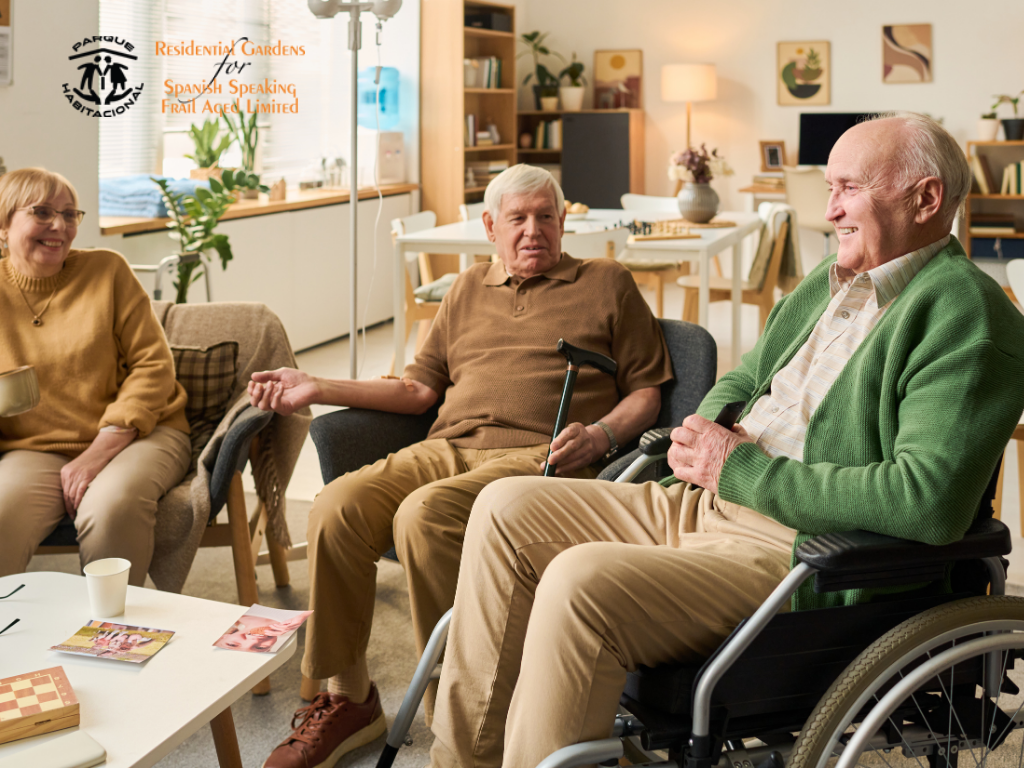
Plan Visits Around the Resident’s Needs
There is no universal visiting schedule that helps every person settle. Some residents benefit from frequent familiar contact, while others become more distressed after long visits or repeated goodbyes.
Ask staff when the person is usually most alert and comfortable. A morning visit may suit someone who becomes tired or confused later in the day, while another resident may be more settled after lunch.
Keep early visits calm and manageable. Instead of relying on continuous conversation, bring a familiar activity such as music, photographs, gardening or a favourite snack where permitted.
The person may appear unhappy during a visit but settle soon after the family leaves. Ask staff what happens afterwards so decisions about future visits are based on a fuller picture rather than only the moment of departure.
Relatives may experience grief, guilt, relief or uncertainty during this period. These feelings are understandable. Moving someone into residential care changes the family’s caring role, but it does not end the relationship.
Work in Partnership with the Care Team
Family members hold valuable knowledge about the resident, while care workers observe how the person responds throughout the day and night. Sharing this information can improve understanding on both sides.
Agree on a main contact person and ask how routine and urgent updates will be communicated. Participate in care reviews and explain any significant changes noticed during visits.
Families can continue to support meaningful parts of the person’s life. They might share meals, attend activities, bring a pet where permitted, accompany the resident on an outing or simply sit together and listen to music.
At the same time, allow the person to build familiarity with employees and the new routine. Family involvement and professional care do not need to compete. They can work together to support comfort, identity and quality of life.
When comparing dementia aged care facilities in Sydney or Western Sydney, families can contact Residential Gardens to ask about its admission process, available residential support and approach to individual care needs. Share information about the person’s diagnosis, routines, communication, mobility, medical needs and known sources of distress so the team can explain whether its services may be suitable.
A successful adjustment does not necessarily mean the person will never feel confused, distressed or ask to leave. Progress may instead appear in smaller ways, such as recognising a staff member, enjoying a familiar activity, eating more comfortably or developing a reassuring daily rhythm.
Thoughtful preparation, familiar belongings, respectful communication and a constructive partnership with staff can help make aged care for dementia patients feel more personal and supportive. Families remain an important part of the person’s life throughout that transition.
