

Choosing how to cut acrylic is not simply a choice between two machines. The right process depends on what the finished part needs to do.
Laser cutting works very well for many flat acrylic parts. CNC routing can be better when a job needs thicker material or more complex machining.
The shape, sheet thickness and edge finish also matter. Holes, grooves, rebates and installation details can change the best approach.
For customers comparing Acrylic Sheets sydney, it therefore helps to think about the finished product first. The cutting process should follow the design rather than define it.
FX Plastics currently offers both CNC laser cutting and CNC routing and machining. It also provides cut-to-size acrylic, design and fabrication, diamond polishing and acrylic screen services from Penrith. This means customers can consider the complete job rather than one cutting process in isolation.
How CNC routing shapes acrylic with a cutting tool
CNC routing uses a computer-controlled rotating tool to cut and machine the sheet.
The tool physically removes acrylic as it follows the programmed path. This makes routing useful when the design needs more than an outside shape.
A router can produce profiles and machined details. Different machine setups can also support drilling and other operations.
Modern CNC routers are specifically designed to process acrylic and other plastics. Manufacturers use them for displays, signs, fabricated components and many other plastic applications.
Routing can also work with substantial acrylic thicknesses. The actual limit depends on the machine, tool and design.
This makes CNC routing worth considering when the finished component has deeper or more complex features.
How laser cutting processes acrylic without physical contact
Laser cutting works differently.
A CO₂ laser directs focused energy along the programmed cutting path. It does not use a rotating tool against the acrylic.
This process works particularly well for flat profiles and detailed shapes.
Signs, letters, display pieces and decorative components are common examples. Trotec also identifies acrylic signage, shopfitting and point-of-sale displays as suitable laser applications.
Laser cutting can also create an attractive edge.
Under suitable conditions, acrylic can leave the laser with a glossy finish. The exact result depends on factors such as acrylic type, thickness and machine settings.
Therefore, neither process is automatically better.
The important question is what the finished component requires.
Choose the Process Around the Shape and Features You Need
Start by looking at the drawing.
If the job only needs a flat shape cut from acrylic, laser cutting may be suitable. However, routing becomes more attractive when the component needs additional machining.
For example, a panel may need holes for mounting hardware. Another component may need a recess, groove or machined area.
These features require control over where and how much material is removed.
CNC routing gives fabricators that type of machining control. Router systems can also use different tools during production when the equipment supports tool changes.
The design still needs to suit the process.
Tool diameter can affect very small internal details. A fabricator therefore needs to review the drawing before production.
Providing an accurate file early makes that review easier.
Use laser cutting for detailed two dimensional shapes
Laser cutting is often a strong option for detailed flat shapes.
Think about acrylic lettering, decorative signs, product-display pieces or branded components.
The laser can follow complex contours without a physical cutting tool pressing against the sheet. This helps when the design contains detailed profiles.
Laser systems are widely used for signage and display production for this reason.
Acrylic Laser Cutting Sydney services can therefore make sense when appearance and detailed profiling are the main priorities.
However, a complex outline does not automatically mean laser cutting is best.
Check the thickness first. Then consider holes, edge requirements and later fabrication.
A part may begin as a laser-cut profile but still need other work before it becomes a finished product.
Compare Sheet Thickness and Edge Requirements
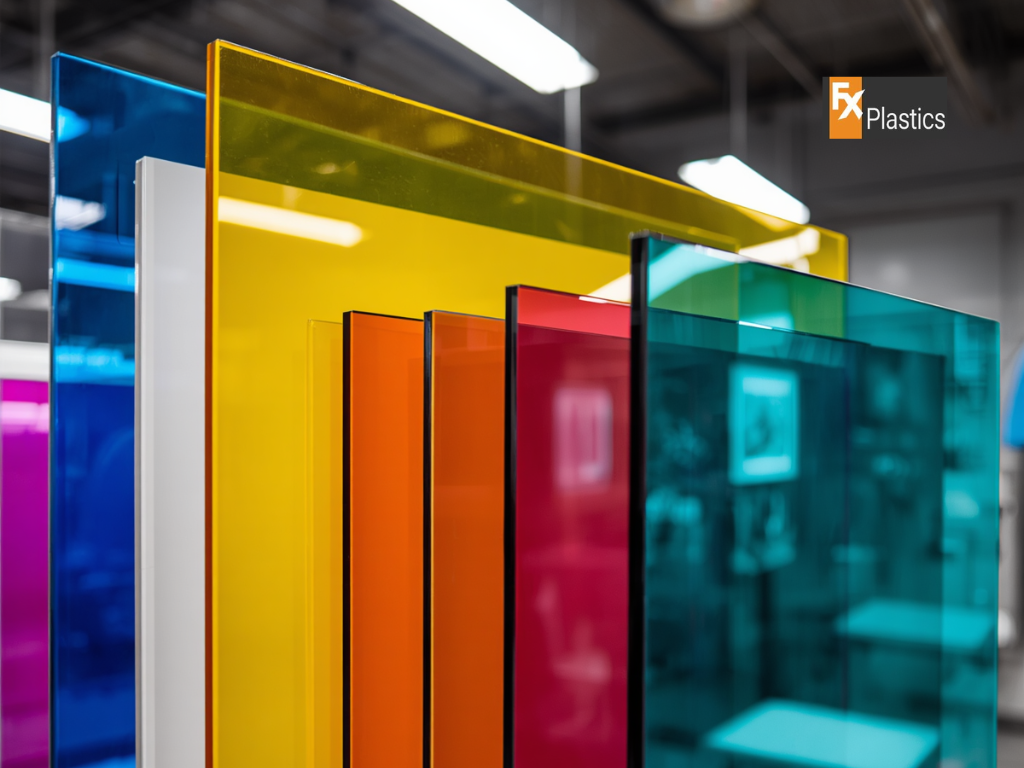
Consider routing for thicker or heavily machined acrylic
Thickness can influence the process choice.
CNC routers can process thick acrylic when the equipment, tooling and workholding suit the job. Commercial routing systems are designed for substantial plastic components as well as standard sheet work.
Routing may also suit a thick component that needs machining on more than one feature.
For example, a substantial acrylic piece may need an outside profile and several mounting holes. It could also require additional edge work.
In that situation, using one machining workflow may make practical sense.
Do not choose thickness without considering the final use.
A small display sign and a large protective panel have different needs. Size, support and fixing method also affect the specification.
FX Plastics currently lists acrylic sheet thicknesses from 1.5 mm to 50 mm in its FAQ. Actual availability should still be confirmed for the required sheet and finish.
Decide whether a laser finished edge suits the design
Edge appearance can influence the decision just as much as thickness.
Laser cutting can produce smooth and glossy acrylic edges when the material and settings suit the process.
Trotec notes that acrylic type matters. Extruded and cast acrylic respond differently during laser processing. Power, speed, focus and material preparation also influence the finished edge.
Routing creates its edge mechanically.
A well-configured CNC router can produce a clean acrylic edge. However, the project may still call for further polishing depending on the required appearance. CNC router manufacturers specifically design equipment and tooling around high-quality acrylic edge finishing.
This distinction matters for visible products.
A hidden machine component may not need the same finish as a retail display.
Always specify the edge result you want rather than assuming every cutting method produces the same appearance.
Match the Cutting Method to Acrylic Screens and Retail Projects
Acrylic screens often look simple when viewed from the front.
Production can be more involved.
A screen may require holes for fasteners. It might need slots, openings or shaped corners. Some designs also require stands or separate fabricated parts.
These details can affect whether laser cutting or routing makes more sense.
For a simple flat screen with an outside profile, laser cutting may be suitable.
A design with extensive machining may suit CNC routing. Some projects may use more than one fabrication method.
FX Plastics currently lists acrylic screens as one of its services. Its wider fabrication capabilities include routing, laser cutting, saw cutting, design and fabrication, and polishing.
That wider capability matters when the screen is more than a rectangular sheet.
Consider the production needs of retail and supermarket screens
Retail projects often need repeatable parts.
Acrylic screens for supermarkets may include checkout barriers, service-area screens or other clear fabricated panels. FX Plastics currently publishes acrylic screen applications for retail and supermarket environments.
Start with the final layout.
Consider the size of each screen and how it will stand or attach. Then identify every hole and opening.
Also think about how the customer and staff will use the area.
A screen should fit its location rather than forcing the workplace to adapt around it.
Once the design is clear, the fabricator can choose an efficient process.
That may mean laser cutting, CNC routing or a combination with other Acrylic fabrication work.
Compare the Complete Fabrication Job Instead of One Cut
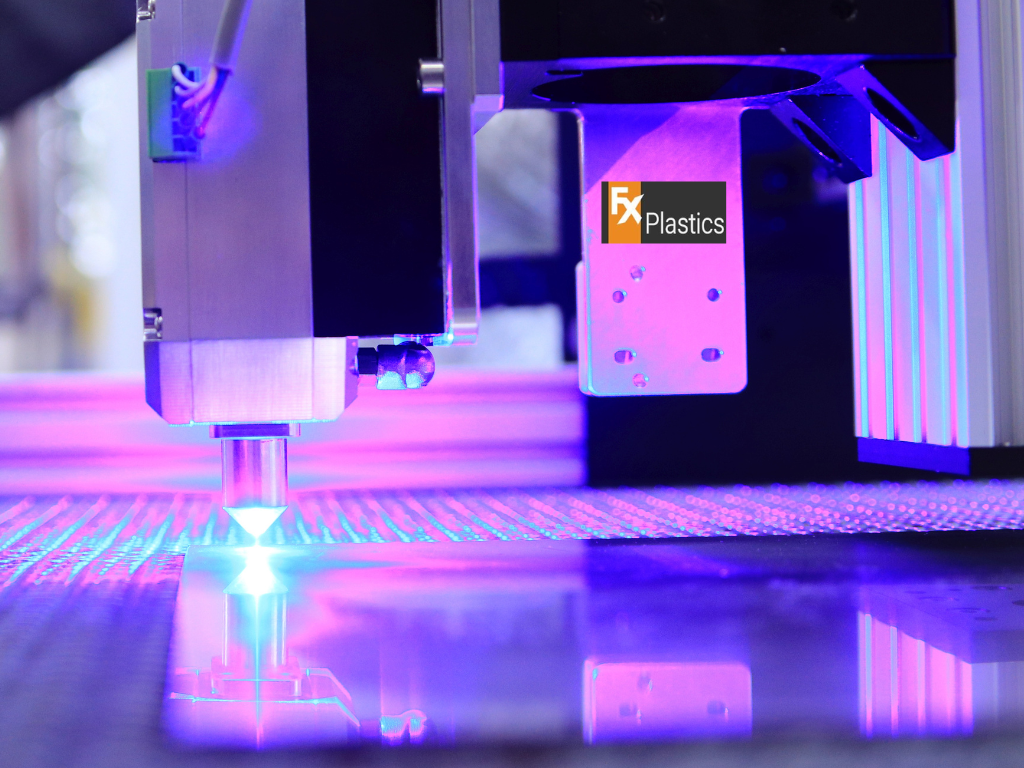
Look beyond Acrylic Laser Cutting Sydney when more work is required
Cutting is only one stage of many acrylic projects.
The finished product may also require bending, polishing, drilling, bonding or assembly.
For example, a retail display might start as several flat acrylic pieces. Those pieces may then need forming and joining.
A screen might need machining before the final components are assembled.
Therefore, choosing a supplier only because it offers laser cut acrylic may not address the complete project.
Review the whole manufacturing sequence instead.
FX Plastics currently lists CNC routing and machining, CNC laser cutting, diamond polishing, CNC saw cutting, design and fabrication, and acrylic screens among its services.
A broader fabrication service can be useful when several processes are required.
Treat material cost and fabrication cost separately
Material choice also affects the total project cost.
Some customers research acrylic vs glass windows cost before deciding which material to use.
That comparison involves more than the price of a sheet.
The finished price can depend on dimensions, thickness, fabrication, drilling, polishing, fittings and installation. The requirements can also differ greatly between a simple clear panel and a finished window assembly.
For that reason, do not choose routing or laser cutting purely from the lowest cutting rate.
A cheaper cut may still need extra finishing.
Another process may cost more at the cutting stage but remove a later production step.
Ask for the complete fabrication requirement to be considered.
That gives you a more useful cost comparison.
Choose the Right Acrylic Sheet and Fabrication Service
Choose the acrylic before finalising the cutting process.
Start with thickness and dimensions.
Then consider colour and transparency. The project may need clear acrylic, coloured material or another finish.
FX Plastics currently sells clear and coloured acrylic in standard and cut-to-size options. Its clear acrylic product is listed for uses such as signage, displays, shopfitting and windows.
The installation environment matters too.
Tell the supplier whether the product will be used indoors or outside. Explain whether customers will see the edges.
For Acrylic Sheets Western Sydney projects, local fabrication can also make communication easier when drawings or physical requirements need discussion.
The correct sheet and process should work together.
Compare acrylic fabricators by their full capabilities
Do not compare suppliers on cutting price alone.
Check whether the company provides the processes your project actually needs.
A straightforward rectangular sheet may only need cut-to-size service. A detailed sign could suit laser cutting. A machined part may need CNC routing.
More complex work may also need polishing or complete Acrylic fabrication.
Ask how the supplier wants to receive drawings.
FX Plastics states that it can assist with project design. Its FAQ also lists EPS, DXF, AI and PDF as accepted file formats for laser-cutting quotations.
Give the fabricator enough information to assess the job properly.
That should include the final size, material thickness, quantity and required features.
Clear information can prevent unnecessary changes later.
Know When to Contact FX Plastics
Get advice before finalising drawings or ordering sheets
Contacting a fabricator early can help when the process is unclear.
This is especially useful when a project contains a mix of profiles, holes and finished edges.
FX Plastics operates from Penrith and currently provides CNC routing, laser cutting, cut-to-size acrylic and other fabrication services.
A customer looking for Acrylic Sheets sydney may only need material cut to size.
Another project may require a completed fabricated part.
Those jobs should not receive the same manufacturing approach.
Discuss the purpose of the part before ordering the sheet. Explain how it will be installed and which surfaces will remain visible.
That gives the fabricator more information for selecting the process.
Send complete project information for an accurate fabrication review
A useful fabrication enquiry should be specific.
Provide the overall dimensions and required thickness. Include the quantity and material colour or finish.
The drawing should show holes and cut-outs.
Also describe any edge finish, polishing or assembly needs.
FX Plastics says customers can send jobs for quotation by email and provides design assistance for projects.
This is the right time to ask whether routing or laser cutting suits the design.
In some cases, one process will clearly fit the job.
Other projects may benefit from several fabrication methods.
The aim is not to choose CNC routing simply because it sounds more advanced. Nor should every acrylic project default to laser cutting.
Choose the process that matches the material, geometry, finish and final use.
That approach makes it easier to turn acrylic sheet into a component that is ready for its intended application.
