

CNC punching is widely used to create repeatable holes, cut-outs and formed features in sheet metal. However, it is not automatically the best process for every component.
The right manufacturing method depends on the material, thickness, geometry, quantity and finished use of the part. A component with hundreds of repeated holes may suit punching, while a prototype with an irregular outside profile may be more practical to laser cut. Some projects also require both processes, followed by bending, welding or assembly.
Understanding these differences helps customers compare Metal punching services, laser cutting and broader cnc sheet metal fabrication without selecting a process based only on price or machine type.
This is particularly relevant for manufacturers and project teams in Western Sydney. The region has a substantial manufacturing workforce and an expanding advanced-manufacturing ecosystem, creating ongoing demand for repeatable components, local fabrication capacity and digitally controlled production.
How punch-and-die tooling creates repeatable features
A CNC punching machine uses computer-controlled positioning to move sheet metal beneath a punch and die. The punch applies force from above while the die supports the material underneath, allowing a defined section of metal to be removed or formed.
The machine follows instructions prepared from a digital drawing. Once the program and tools are set, it can repeat the same features across multiple parts or different areas of a sheet.
Standard tools may create round, square, rectangular or other established shapes. More complex openings can sometimes be produced by combining several strokes or using a process known as nibbling.
This makes CNC punching useful for components containing repeated holes, ventilation patterns, mounting slots or regular cut-outs. Examples can include equipment panels, cabinets, brackets, electrical enclosures, guards and sheet-metal covers.
AMADA Australia explains that CNC turret punching can perform punching, piercing, embossing, nibbling and coining. It also describes the process as particularly suitable for producing repeated shapes efficiently.
The final result still depends on the material, tooling, machine settings and condition of the punch and die. Customers requiring high-precision sheet metal parts should therefore specify the critical measurements instead of relying only on a general request for accurate production.
Why punching can do more than create standard holes
Modern punching systems may be able to form the metal as well as remove it. Depending on the available tooling, possible operations can include embossing, countersinking, tapping, marking, rolling, creating small bends or producing raised features.
This can reduce the need to move the part to another machine for every operation. For example, a ventilation panel may contain repeated openings, marked locations and formed features completed during the same programmed process.
TRUMPF identifies slitting, forming, countersinking, rolling, marking, deburring and tapping among the operations that can be completed on suitable punching systems. The exact operations available will depend on the machine and tooling used by the fabricator.
This capability can make punching more useful than a basic industrial steel cutting machine when a part requires both openings and formed sheet features.
However, customers should not assume that every CNC punching provider owns every specialised tool.
Compare CNC Punching With Laser Cutting
CNC punching often becomes attractive when a design contains many repeated features. Once the machine is programmed and the correct tools are installed, it can reproduce the same hole or shape consistently across a sheet.
A cabinet panel containing rows of ventilation openings is a common example. Producing each opening with an existing punch tool may be more efficient than tracing every opening individually with a laser.
Punching may also be useful when the part requires formed details that a laser cannot produce by cutting alone. Embossed areas, countersinks, knock-outs, louvres and certain tapped or raised features may be created with suitable tooling.
Production quantity matters as well. Setup and programming are required before the first part is produced, but those costs can be spread across a larger quantity. This means CNC punching may provide better value for repeated parts than for a single experimental component.
The advantage is not determined by quantity alone. The fabricator must also consider whether the required tools already exist, how many tool changes are needed and whether the complete profile can be produced efficiently.
A project containing common hole sizes and regular shapes may be well suited to punching. A similar-looking component containing unusual curves and constantly changing profiles may require a different approach.
When laser cutting or another process may be more suitable
Laser cutting can be more suitable for irregular contours, detailed profiles and designs that would require excessive nibbling or specialised punching tools.
Because the laser follows a programmed path without requiring a separate physical tool for every shape, it can provide flexibility for prototypes, design revisions and smaller runs containing complex geometry.
AMADA Australia notes that turret punching is well suited to repetitive shapes, while an industrial laser cutter should be considered for more complex forms.
The two processes should not be treated as direct substitutes in every situation. A laser may produce the outside profile while a punching machine creates formed features. Combination punch-and-laser systems are also available within the wider sheet-metal machinery market.
Other cnc cutting services may be appropriate when the part is not made from sheet metal or requires features that do not pass completely through the material. Machining may be needed for pockets, threads or close three-dimensional details, while saw cutting may be more practical for straightforward sections or bars.
The best process is therefore the one that produces the required part with suitable quality and an efficient production sequence. It should not be chosen simply because one machine sounds more advanced.
Match the Process to the Material and Part Design
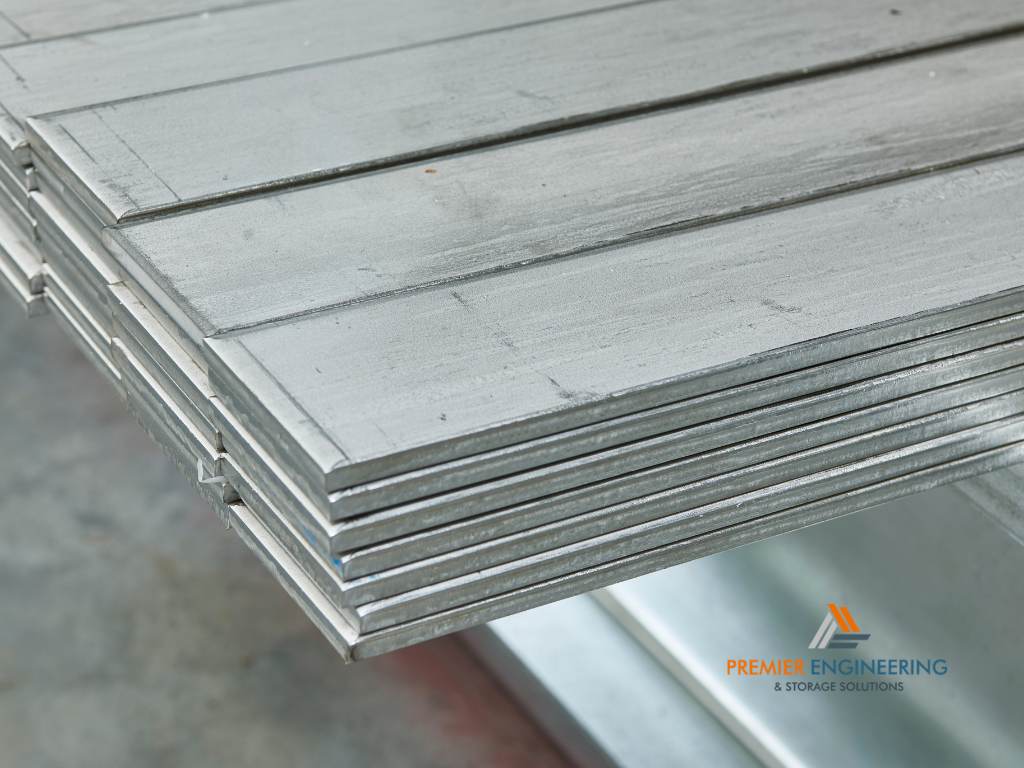
Planning for mild steel, aluminium and stainless steel
Material type and thickness affect the punching force, tool clearance, edge condition and possible feature size.
Mild steel is commonly used for fabricated brackets, panels, enclosures and general industrial components. Stainless steel may be selected where corrosion resistance, hygiene or appearance is important. Aluminium can reduce weight and resist corrosion, but its behaviour during punching and bending differs from steel.
The phrase cnc stainless steel fabrication can refer to punching, laser cutting, machining, bending or a combination of these processes. Customers should therefore identify the exact operation they require instead of requesting “CNC stainless steel” without further detail.
The material grade should be included where it is known. Different grades can have different strength, appearance, corrosion resistance and forming characteristics.
Sheet thickness must also be stated. A feature that can be punched successfully in a thinner sheet may not be practical in a thicker material using the same tool.
Surface condition can matter for visible parts. Scratches, handling marks, burr direction and protective film requirements should be discussed before production. Some modern punching systems include tables and tool arrangements intended to reduce marking, but the expected surface finish still needs to be confirmed with the supplier.
Checking holes, spacing, edges and available tooling
The relationship between hole size and material thickness should be reviewed before the design is approved. Very small holes in relatively thick material may place greater demand on the tool and may not produce the required result.
Hole spacing and distance from an edge also matter. Features positioned too closely together can distort the surrounding sheet or leave narrow sections that are difficult to maintain.
Sharp internal corners, unusual openings and long curved profiles may require nibbling or a custom tool. Nibbling can produce a complex shape through overlapping strokes, but the resulting edge may differ from a laser-cut edge.
Tool availability can strongly influence cost. Standard round, square and rectangular tools may already be available, while a unique feature could require special tooling or a change in process.
A production drawing should show the complete profile, hole sizes, slot dimensions and critical locations. It should also explain whether any feature must align with an existing component.
Where close tolerances are required, identify the specific dimensions that control fit or performance. Do not assign an unnecessarily tight tolerance to every measurement, as this can complicate inspection and limit the most practical manufacturing method.
Minimum feature sizes, edge clearances and achievable tolerances should be confirmed by the selected provider for the actual material and machine.
Plan Quantity, Cost and Lead Time Before Quoting
A CNC punching quotation normally considers more than machine running time.
The supplier must review the drawing, prepare the production program, select the tools, arrange the parts on the sheet and set up the machine. A short production run may therefore have a higher cost per component because those setup costs are divided across fewer parts.
Larger quantities may reduce the unit cost when the same program and tools can be used repeatedly. However, ordering more parts does not automatically guarantee the lowest total cost. Material requirements, storage, future design changes and expected demand should also be considered.
Specialised tooling can add another cost. If the design requires a custom punch, the supplier may need to manufacture or purchase it before production begins.
Before approving custom tooling, ask whether the feature can be changed to suit a standard tool. A small design adjustment may reduce setup costs without affecting how the component works.
The customer should also clarify who owns any custom tool and whether it will be retained for future orders. This can affect repeat production and the ability to move the work to another supplier.
How design efficiency and secondary work affect total cost
A simple drawing can still be expensive to manufacture if the design requires many tool changes, awkward sheet movement or substantial secondary work.
Material usage is another factor. Parts are arranged or nested across a sheet to use the available area efficiently. Irregular shapes may create more unused material than rectangular components.
The quotation may also include deburring, countersinking, tapping, bending, welding, coating, assembly, inspection, packaging and delivery. These stages can cost more than the initial punching operation, especially when the part requires detailed finishing.
Design changes after programming has begun can result in additional work. A revised hole location may require a new program, updated drawing and another production check.
For an accurate comparison, every supplier should receive the same drawing, material specification, quantity and finishing requirements. One quotation may cover punching only, while another may include complete cnc sheet metal fabrication.
The lowest initial figure is not necessarily the lowest completed cost. Buyers should compare what is included, what remains their responsibility and what may be charged separately.
Consider Bending and Fabrication After Punching
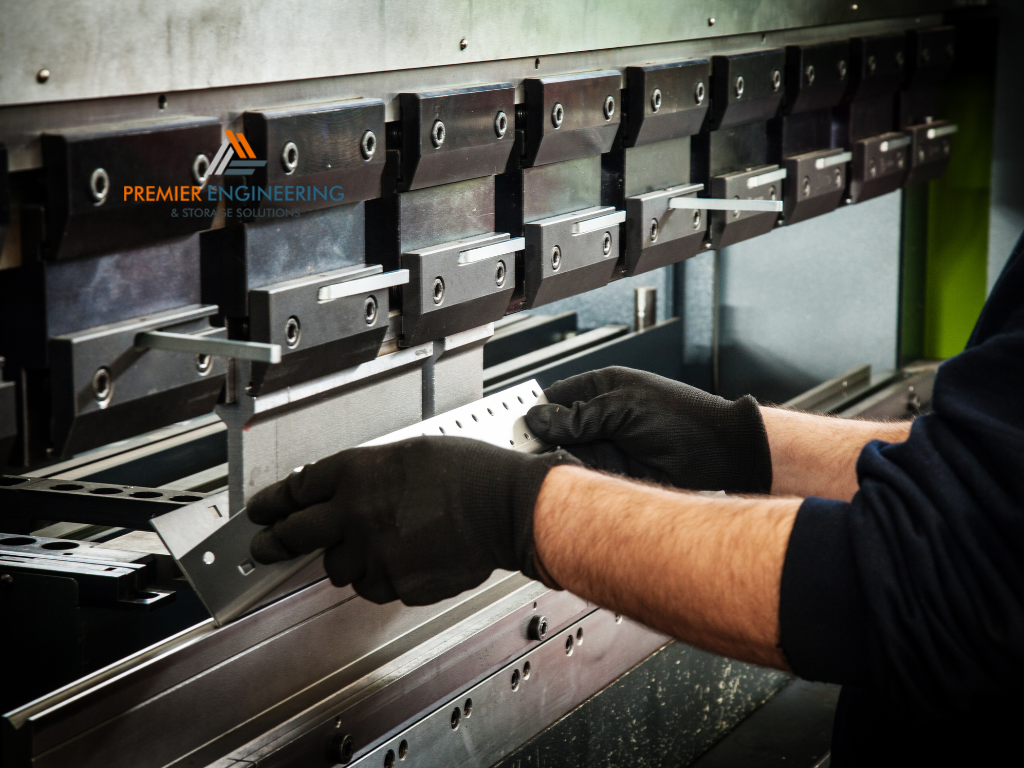
Coordinating punched features with press-brake bending
Many punched components are later formed with a metal bending press, commonly called a press brake.
The bending stage should be considered before the flat blank is programmed. Holes and slots placed too close to a bend may distort when the metal is formed. Flanges also need enough space for the bending tools and the required bend radius.
The drawing should show the finished three-dimensional shape as well as the flat cutting information. This helps the fabricator confirm which dimensions apply before bending and which apply to the completed component.
Bend direction and part orientation can affect the visible side of the material. This is important for stainless steel panels, coated materials and parts with protective film.
The production sequence also matters. Some features are easier to punch while the sheet is flat, while others may need to be drilled, tapped or adjusted after bending.
When punching and bending are supplied by different businesses, responsibility for the developed flat pattern should be clear. An incorrect bend allowance can affect the final dimensions even when the punching operation follows the supplied file accurately.
Planning deburring, fastening, welding and finishing
Punching separates material through mechanical force, which can leave an entry side, a cut zone and a burr on the exit side. Tool sharpness, clearance and material condition affect the final edge.
AMADA notes that maintaining sharp punching tools helps minimise burrs and improve part quality.
The customer should state whether a standard punched edge is acceptable or whether deburring is required. Components that will be handled frequently may need additional attention to exposed edges.
Fastening requirements should also be planned early. The part may require standard holes, countersinks, tapped features, captive fasteners or slots that allow adjustment during assembly.
Welding can introduce heat and distortion, particularly in thin material. A component that is correct after punching and bending may still move during welding, so the complete fabrication sequence needs to be considered.
Finishes such as powder coating, painting, plating or polishing may change the appearance and effective fit of the part. Hole clearance and mating surfaces should allow for the selected finish where relevant.
This is why metal punching should be treated as one stage within the complete manufacturing workflow rather than an isolated service.
Choose the Right CNC Punching Service
Begin by confirming that the provider works with the required material, thickness and sheet size.
Ask what type of CNC punching equipment is available and whether the workshop holds tools suitable for the proposed holes, slots and formed features. A long list of machines is less useful than clear confirmation that the specific component can be produced.
The provider should be able to explain whether punching, laser cutting or another process is recommended. A reliable assessment may conclude that punching is suitable for one group of features while laser cutting is more practical for another.
Quality controls should match the component’s purpose. A general commercial panel may require standard workshop checks, while high-precision sheet metal parts may need recorded measurements of identified dimensions.
Ask how the workshop manages tool condition, first-part inspection and production consistency. Claims about formal tolerances, certifications or inspection systems should be verified for the current service and project.
For Western Sydney buyers, local access may make drawing reviews, sample collection and production communication easier. However, location should not replace suitable equipment, experienced operators or clear quality procedures.
Reviewing quotations and repeat-order support
A useful quotation should identify the material, thickness, quantity and drawing revision being priced.
It should clarify whether the supplier is providing material or processing customer-supplied sheet. It should also explain whether programming, tooling, deburring, bending, coating, packaging and delivery are included.
Lead time should cover the complete project rather than only machine time. Material availability, external finishing and transport can all affect the final delivery date.
Repeat-order procedures are especially important for recurring parts. Ask how the approved program and drawing are stored and how later revisions are controlled.
The supplier should not rely on a file called “final” when several different versions have been issued. A controlled part number and revision code reduce the risk of producing an outdated design.
When comparing cnc cutting services, customers should also ask how design questions are handled. Clear communication before production is more valuable than discovering an assumption after an entire batch has been completed.
Premier Engineering’s latest supplied visibility report shows established search relevance for cnc punching service, Metal punching services and cnc sheet metal fabrication. Project-specific machinery, materials, tooling and production capacity should still be confirmed directly before an order is placed.
Know When to Contact Premier Engineering
Seeking advice before finalising complex parts
It can be useful to contact Premier Engineering before finalising a design when the part contains repeated perforations, narrow sections, unusual formed features or holes located close to a bend.
Early review is also helpful when the customer is unsure whether punching, laser cutting or a combination of processes will provide the best result.
A fabrication discussion can identify features that require specialised tooling or could be changed to suit a standard punch. It may also reveal that the flat design needs adjustment for later bending, welding or assembly.
Customers planning recurring production should discuss expected quantities as well as the first order. A process suitable for five prototypes may differ from the approach used for several hundred repeated components.
Premier Engineering’s accepted materials, thickness limits, machine capacity, available tooling, standard tolerances, secondary fabrication and current lead times should be confirmed for the proposed work..
Where the component is structural, regulated or safety-critical, appropriate engineering and compliance requirements should be resolved before manufacturing begins.
Preparing the information needed for a useful quotation
Begin with a short description of the part and how it will be used.
Provide the material grade, sheet thickness and required quantity where these are already known. Include both the initial order quantity and any likely repeat volume.
Attach a usable CAD file together with a dimensioned PDF drawing. The drawing should show the outside profile, holes, slots, formed features, critical dimensions, tolerances and current revision.
Explain whether the component will be supplied flat or needs further work. Include bending, welding, tapping, fasteners, coating, assembly and inspection requirements.
State which surfaces will be visible and whether scratches, burrs or process marks could affect acceptance. Where the part must fit existing equipment, provide information about the mating component.
Include the required completion date and delivery location. For Sydney or Western Sydney projects, state whether collection is possible or delivery needs to be included.
A complete enquiry allows Premier Engineering to review the production sequence rather than quote the punching operation in isolation. It also helps the customer compare providers against the same scope.
Choosing a cnc punching service becomes easier when the decision begins with the finished part. By considering material, geometry, quantity, tooling, bending and finishing together, buyers can select a process that supports the complete manufacturing requirement rather than only the first machine operation.
