

Acrylic sheet is used across Sydney in signs, displays, protective panels, retail fixtures and custom interior products. It can also be cut and shaped into shelves, covers, machine guards, light diffusers and clear screens.
However, choosing the right sheet involves more than finding the correct length and width. The thickness, colour, surface finish, cutting method and installation details can all affect the final result.
People searching for Acrylic Sheets Sydney may need a single rectangular panel or a complete fabricated product. Some projects only need a clear sheet cut to size. Others require holes, bends, polished edges, engraved details or several pieces joined together.
Australian suppliers offer acrylic in clear, coloured, frosted, tinted, opal and mirrored finishes. Many also provide saw cutting, CNC machining, laser cutting, bending and fabrication.
This guide explains how to compare those options. It also covers when acrylic may suit a project better than glass and what information to provide when requesting a quote.
Common residential and commercial applications
The intended use should guide every product decision that follows.
Clear acrylic is often used where visibility matters. Examples include display covers, sign faces, brochure holders, counter screens and protective panels.
Coloured and mirrored sheets can create a stronger decorative effect. They are frequently considered for retail displays, point-of-sale units, signage and interior features.
Frosted or opal acrylic can soften or diffuse light. These finishes may suit light boxes, illuminated signs, privacy panels and decorative screens. Australian suppliers currently list clear, opal, coloured, frosted, tinted and mirror options, although the available thicknesses vary by product.
Acrylic screens also remain useful in customer-facing settings. They can provide separation at service counters while retaining visibility between staff and customers. FX Plastics lists retail shops, medical centres, pharmacies, supermarkets and convenience stores among the settings for its custom screens.
The application determines more than the appearance. It can also affect the required thickness, edge finish and fixing method.
A display cover needs different features from a freestanding screen. A sign face may require even light diffusion, while a machine cover may need shaped openings and reliable mounting points.
Questions to answer before choosing a sheet
Begin by describing what the finished item needs to do.
Consider whether the sheet will sit indoors or outdoors. Explain whether it will remain fixed, move regularly or receive frequent handling.
You should also identify how people will view it. A clear screen may need strong optical clarity, while a decorative panel may focus more on colour and texture.
Think about how the panel will be supported. A sheet fitted into a frame behaves differently from one fixed only at its corners. A shelf or large freestanding panel may also need more stiffness than a small sign insert.
Cleaning conditions matter as well. A supermarket screen, counter panel or office divider may need regular wiping. The surface should therefore suit the intended cleaning method.
Finally, clarify whether you need a loose sheet or an installation-ready part. A loose rectangular panel usually requires less work than a product with holes, polished edges, bends or bonded joints.
Answering these questions gives the supplier a clearer basis for recommending the material and production process.
Choose the Right Acrylic Type and Finish
Clear, coloured, frosted, opal and mirrored options
Clear acrylic provides an open appearance and allows strong visibility through the panel. It is often considered for guards, displays, sign covers and clear dividers.
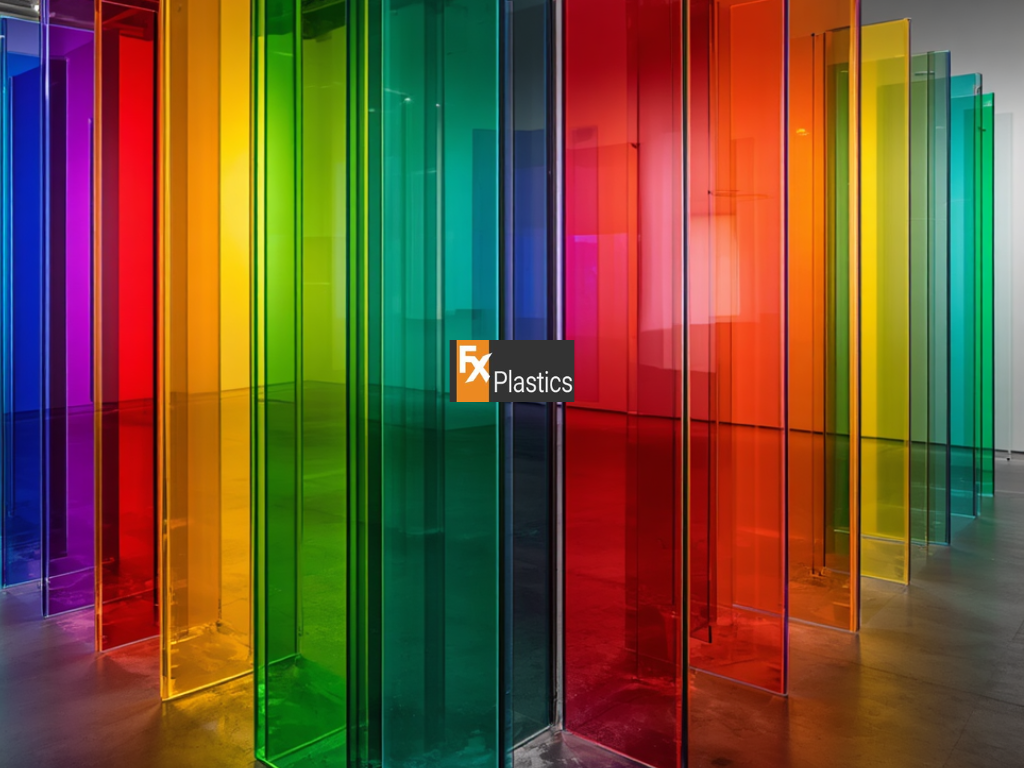
Coloured acrylic can support branding, decorative interiors and point-of-sale displays. It is available in transparent, translucent and opaque options, depending on the product range.
Frosted acrylic creates a softer surface. It can reduce direct visibility while still allowing light to pass through. Some Australian ranges are made for signage, lighting and interior design applications.
Opal acrylic is commonly used when light needs to spread across a surface. It may suit illuminated sign faces and light features, although the correct grade depends on the lighting design.
Mirrored acrylic creates a reflective finish without using a conventional glass mirror. It can suit signs, displays and decorative wall panels. However, it can scratch, and its reflection may differ from glass. Buyers should review a physical sample before choosing it for a large feature.
The best finish depends on visibility, privacy, lighting and design needs. Online photographs may not show the exact colour, opacity or surface texture.
Cast and extruded acrylic considerations
Acrylic sheets can be produced using different manufacturing methods. Cast and extruded acrylic are common examples.
The manufacturing method may affect thickness tolerance, machining, engraving, forming and the way the material responds to heat.
This does not mean one type is always better. The right choice depends on the application and fabrication process.
A supplier may recommend a particular grade for laser cutting, engraving, bending or machining. The product should also suit the intended environment and finish.
When requesting Acrylic Sheets Western Sydney, do not ask only for “clear acrylic.” State what the sheet will become and which processes it will need.
For example, a small rectangular panel may only require saw cutting. A detailed sign may need laser cutting and engraving. A large formed cover may require a grade that suits heating and bending.
Select a Practical Sheet Thickness
How dimensions and support affect thickness
Thickness affects the weight, stiffness, appearance and cost of an acrylic panel.
Small framed panels may work with a thinner sheet because the frame supports the material around its edges. A large freestanding screen may need a thicker sheet or additional supports.
The unsupported distance between fixing points is important. As this distance increases, the panel may flex more easily.
The orientation also matters. A vertical screen carries different loads from a horizontal shelf. A cover may need to hold its shape, while a sign insert may only need to remain flat inside a frame.
Wind exposure should be considered for outdoor installations. The size of the panel, fixing points and local conditions can affect the design.
Do not select thickness only by copying another project. Two panels with the same width and height can behave differently when their supports and loads change.
FX Plastics currently states that it carries acrylic sheets from 1.5 millimetres to 50 millimetres thick. The exact colours, grades and full-sheet sizes available at each thickness should be confirmed directly.
When safety or structural advice is needed
A plastic supplier can explain material options and fabrication limits. However, it should not guess engineering, structural or regulatory requirements.
Seek suitable professional advice when the acrylic forms part of a balustrade, external window, safety guard or load-bearing item.
The same applies when failure could injure someone or damage equipment. A qualified designer, engineer or installer should determine the required loads, fixing system and safety factors.
The phrase “stronger than glass” can also be misleading when used without context. Impact behaviour, stiffness, scratching, fire performance and weather exposure are separate issues.
Choose the product according to the actual application rather than relying on one general comparison.
Where a specification, drawing or standard applies, provide it to the supplier. This helps them check whether the requested material and fabrication work match the project documents.
Compare Acrylic With Glass
Weight, appearance, impact and maintenance
Acrylic and glass can both create transparent panels, but they behave differently.
Acrylic is lighter and easier to machine into custom shapes. It can be drilled, laser cut, routed, polished and bent using suitable equipment.
Glass generally offers stronger scratch resistance. It may also provide a different level of rigidity, heat performance and visual feel.
Acrylic does not break in the same way as ordinary glass. However, this does not mean it is unbreakable or suitable for every glazing application.
Maintenance also affects the decision. Acrylic needs cleaning products and cloths that will not damage or scratch the surface. Harsh chemicals and abrasive materials may affect the finish.
The choice should consider the complete installation. This includes the panel, frame, fixings, edge treatment and expected use.
Acrylic can be practical for displays, removable covers and lightweight interior screens. Glass may remain the appropriate option for some windows, regulated glazing and areas where strong scratch resistance is important.
Understanding the full installed cost
People researching acrylic vs glass windows cost should avoid comparing sheet prices alone.
The material price is only one part of the project. Cutting, polishing, drilling, framing, transport and installation can change the total.
Acrylic may reduce handling and transport demands because it is lighter. It can also be shaped using plastic fabrication equipment.
However, custom acrylic may need polished edges, specialist fixings or additional support. These items add to the final cost.
Glass pricing can also change according to thickness, safety treatment, glazing type and installation requirements.
For an external window, energy performance, weather sealing and building requirements may be more important than the cost of the transparent sheet. Australian window guidance also shows that glazing choices vary according to climate, frames and complete window construction.
Ask for quotes that cover the full installed outcome. This provides a fairer comparison than looking at raw material prices.
Plan Cutting, Finishing and Fabrication
Laser cutting, CNC routing and saw cutting
Different cutting methods suit different shapes and finishes.
Saw cutting is commonly used for straight rectangular pieces. It can efficiently divide full sheets into practical panel sizes.
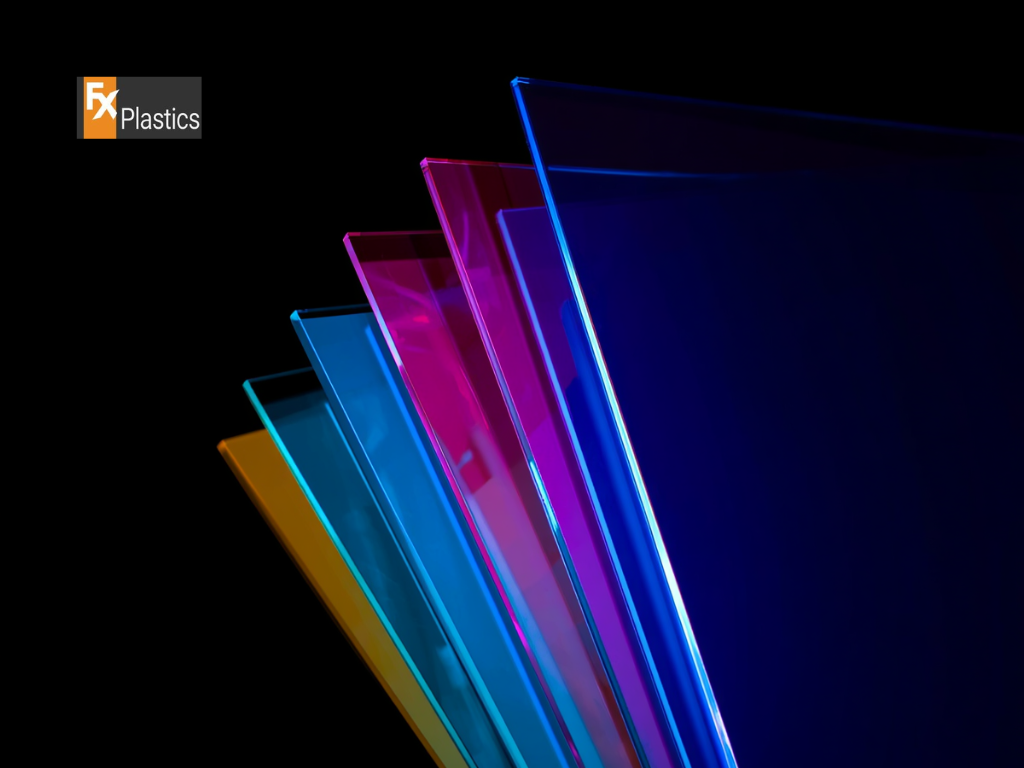
Laser cutting follows a digital design file. It can create detailed profiles, lettering and repeatable shapes. On suitable acrylic, it can also leave a clean-looking edge.
CNC routing and machining can create shaped parts, holes, recesses, slots and internal cut-outs. It may also suit thicker materials or details that are not appropriate for laser cutting.
Acrylic Laser Cutting Sydney services are often considered for signs, displays, templates and decorative components. However, the design file, acrylic type and thickness must suit the process.
Laser cut acrylic can show heat effects in some shapes or materials. Routed edges may show tool marks before polishing. Saw-cut edges may remain functional but less decorative.
Ask the supplier which process is included in the quote. FX Plastics currently lists CNC laser cutting, CNC routing and machining, CNC saw cutting and diamond polishing among its services.
Holes, polished edges, bends and assembled products
Acrylic fabrication turns a flat sheet into a finished component or product.
The work may include drilling holes, routing slots, polishing edges and engraving text. It can also involve heat bending, bonding and assembly.
Acrylic screens, display boxes, covers and retail fixtures often need several of these processes.
Visible edges may require additional finishing. Diamond polishing can create a smooth and clear appearance on suitable straight edges. Other projects may use laser-finished, flame-polished or sanded and buffed edges.
The best option depends on the sheet type, design and intended appearance.
Bends should be shown clearly on the drawing. State the angle, location and direction of every fold.
Bonded products also need enough detail. Explain the expected load and whether the joints will remain visible.
FX Plastics describes its design and fabrication service as using methods that include CNC laser cutting and saw cutting. Its service information also refers to CAD modelling and construction drawings, although the exact scope available for a particular acrylic project should be confirmed.
Choose an Acrylic Supplier in Sydney
Comparing products, equipment and quotation details
A useful supplier comparison should examine more than price.
Begin by confirming the acrylic type, colour, thickness and sheet dimensions included in each quote. Check whether the material will arrive as a loose sheet or a completed part.
The quotation should also state the cutting method and edge finish. Any holes, slots, bends, engraving or assembly should appear as separate requirements.
Ask which tolerances apply. A decorative panel may not need the same accuracy as a close-fitting machine component.
You should also find out whether the supplier completes the work in-house. A workshop that provides cutting, machining, polishing and fabrication may offer a clearer production path for complex items.
FX Plastics lists cut-to-size acrylic, coloured and clear sheet options, CNC cutting, polishing and acrylic fabrication. These services may suit both simple panels and more detailed custom projects.
Even so, the company should confirm current stock, equipment suitability and production timing for every order.
Local supply and delivery in Western Sydney
Location may affect sample review, collection and transport costs.
Customers searching for Acrylic Sheets Western Sydney may prefer a workshop they can visit with a sample or drawing. Local collection may also suit smaller orders.
FX Plastics currently lists its location as Units 1 and 2, 21 Hickeys Road, Penrith, NSW 2750.
Before ordering, ask whether the finished panel can be collected safely in your vehicle. Large sheets require suitable support and protection during transport.
Acrylic surfaces can scratch if they rub against hard or dirty materials. Ask whether protective film will remain on the sheet and how the supplier will package the finished item.
For delivery, provide the suburb, access details and unloading requirements. Large panels may not fit through lifts, doors or stairwells.
Current delivery areas, charges and turnaround times should be confirmed directly.
Know When to Contact FX Plastics
Projects that need early fabrication advice
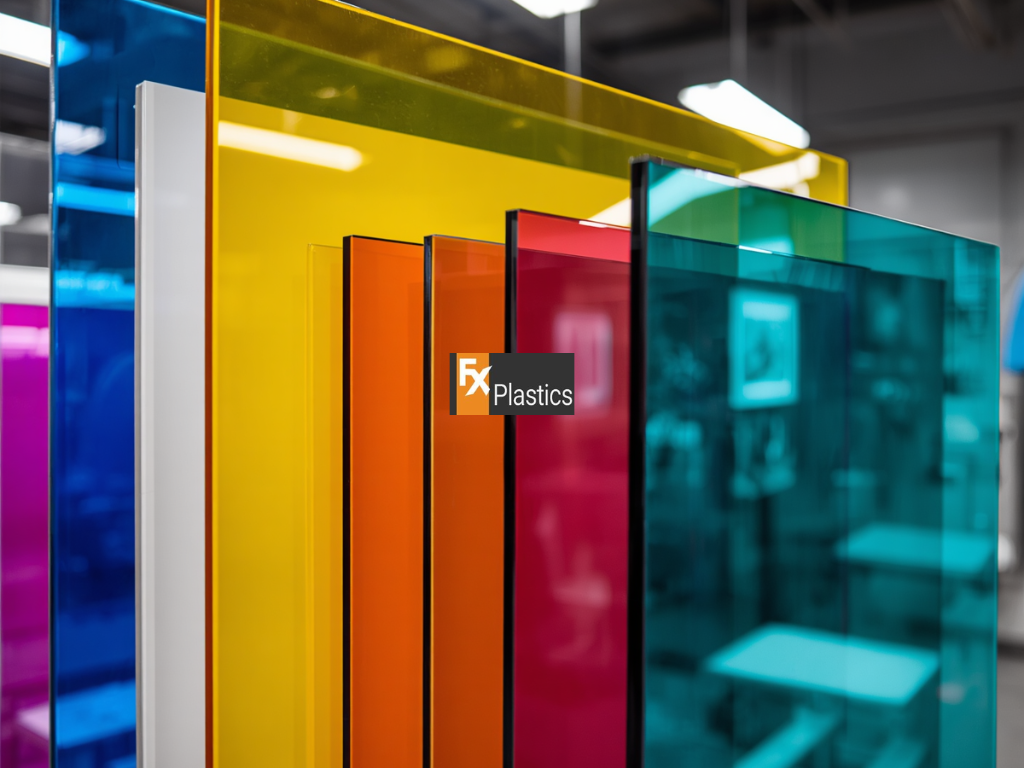
Contact a fabricator early when the project requires more than a basic rectangle.
Detailed shapes, close-fitting cut-outs and aligned fixing holes benefit from production advice before the drawing is final.
Early contact also helps with bent components, bonded boxes and multi-part displays. A small design change may make the item easier to produce and assemble.
Custom acrylic screens can also require careful planning. The fabricator may need counter measurements, pass-through openings, mounting details and finished height requirements.
This is especially relevant for acrylic screens for supermarkets. Checkout and service-counter layouts can include payment equipment, conveyor areas, customer access and communication openings.
FX Plastics lists custom acrylic screen fabrication and design and fabrication support among its services.
Acrylic fabrication advice does not replace architectural, engineering or compliance advice. Bring in the appropriate professional when the application includes regulated glazing, structural loads or safety-critical performance.
Details to include in a quotation request
Start by describing the finished item and where it will be used.
Provide the width, height, thickness and quantity. State the preferred colour, opacity and surface finish.
Show every hole, slot, cut-out and corner radius. Mark any dimension that is critical to installation.
Explain which edges will remain visible and which ones need polishing. Include any bending, engraving, bonding or assembly requirements.
Attach a clear sketch or digital drawing. FX Plastics states that EPS, DXF, AI and PDF files can be used for laser-cutting enquiries, although the preferred file format should be reconfirmed before submission.
Include the project location and required date. State whether you need collection from Penrith or delivery elsewhere in Sydney.
Finally, ask the supplier to identify the material, cutting process, edge treatment and included services in the quotation.
A detailed brief helps FX Plastics review whether its sheet supply, Acrylic Laser Cutting Sydney or Design and Fabrication services suit the project.
Choosing acrylic becomes easier when you begin with the finished purpose. By confirming the sheet type, thickness, fabrication and installation details early, you can compare quotes fairly and reduce avoidable changes later.
