

Choosing between a cnc punching service and laser cutting should begin with the design of the component, not simply the machine that is available.
Both processes use digital instructions to produce sheet metal parts, but they work in different ways. CNC punching uses physical tools to create holes, slots, notches and formed features. Laser cutting uses a focused beam to follow programmed geometry through suitable sheet material.
Either process may produce a suitable result, depending on the material, thickness, part shape, quantities, tolerances and later fabrication work. In some projects, both processes may form part of the same production workflow.
Understanding the difference can help you prepare a clearer drawing, request a more accurate quotation and avoid selecting a method that does not suit the part.
CNC punching and laser cutting are both computer-controlled manufacturing processes. The main difference is how they create the required shape.
Punching uses contact between a tool and the sheet. Laser cutting removes material using concentrated heat. This affects the types of features each process can create efficiently.
How CNC Punching Produces Holes and Formed Features
A CNC punching machine places sheet metal between a punch and a matching die. The programmed machine positions the sheet and presses the selected tool through the material.
This method can produce round holes, square holes, slots, notches, cut-outs and repeated patterns. Depending on the machine and available tooling, punching may also create forms such as louvres, knockouts or other raised and recessed details.
The computer program controls the placement of each feature. This supports consistency when many parts require the same hole pattern or when a design is repeated across a production run.
Premier Engineering describes CNC punching as part of the sheet metal manufacturing process and states that its equipment follows programmed patterns using a punch and die system. Its published capability refers to mild steel up to three millimetres thick and sheets up to 2440 by 1220 millimetres. These limits should be confirmed for the material and current job before production.
How Laser Cutting Creates Detailed Profiles
Laser cutting follows digital geometry using a focused beam. It does not require a physical punch in the exact shape of every hole or outline.
This can make it useful for detailed outside profiles, irregular cut-outs, changing geometries and components that do not match available punching tools.
Laser cutting can also produce holes and slots, although the most suitable process depends on the feature size, material, thickness, edge requirement and quantity.
The lack of shape-specific tooling gives laser cutting flexibility when a design changes regularly or when several different profiles must be cut. However, this does not automatically make it the best or cheapest method for every part.
The fabricator should compare the drawing against both machine capabilities before deciding which process is more practical.
Match the Process to the Part Design
The geometry of the component is usually one of the strongest influences on process selection.
A panel containing hundreds of repeated round holes presents a different manufacturing problem from a bracket with an irregular curved outline and several unique slots.
When Repeated Holes and Patterns Favour Punching
CNC punching is often useful when a design contains repeated standard features.
Typical examples include ventilation panels, electrical enclosures, cabinets, machine guards, shelving components, covers, trays and mounting plates. These parts may contain repeated holes, slots, knockouts or patterns arranged across the sheet.
When suitable tooling is already available, the machine can produce the repeated features efficiently. The programmed process also helps keep the feature layout consistent across multiple parts.
Metal punching services may therefore suit projects where the same components are produced regularly or where many similar parts use common hole sizes.
However, the supplier still needs to check the tooling, sheet thickness and spacing between features. A hole shown on a drawing does not automatically mean an appropriate tool is available.
When Detailed or Irregular Shapes Favour Laser Cutting
Laser cutting may be more suitable when the outside profile is complex, the design contains curves or the features change frequently between parts.
It can also be useful when the required shapes do not correspond with available punch tools. Instead of creating or ordering a special tool, the laser can follow the digital outline.
This flexibility may be valuable for prototypes, product development and jobs involving several different components in relatively small quantities.
The decision should not be based on complexity alone. A laser may still be used for a simple rectangular part, while a punch may produce an irregular shape through a series of programmed hits. The best method depends on quality requirements, production time, tooling and the complete fabrication plan.
For cnc cutting services, ask the supplier which process is proposed and why it suits the drawing.
Consider Material, Thickness and Feature Size
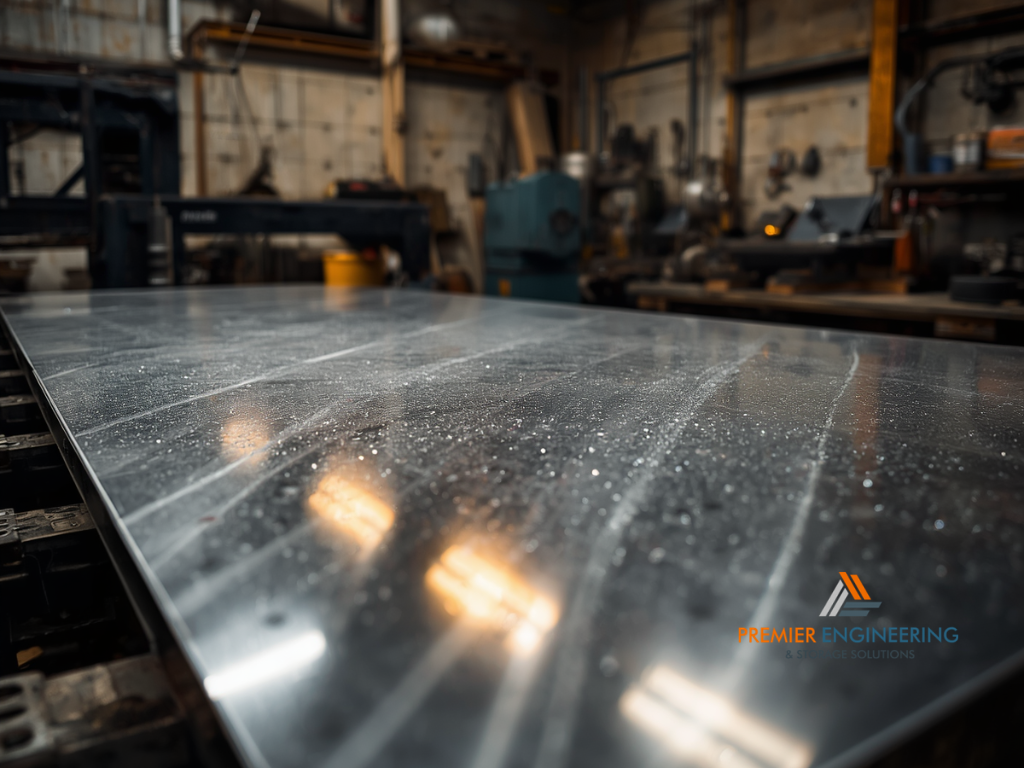
The process must be compatible with the material and sheet thickness.
Material behaviour affects cutting quality, tool wear, distortion, edge condition and the way the part responds to later bending or welding.
Confirm That the Material Suits the Proposed Process
Specify the complete material grade rather than describing the sheet only as steel or stainless steel.
projects may use different stainless grades depending on corrosion resistance, appearance, forming and welding requirements. Mild steel also comes in different grades and finishes.
The supplier should know the sheet thickness, surface condition and whether the material has protective film or a visible finish.
Punching capacity depends on machine force, tooling and the relationship between the material and its thickness. Laser capacity depends on laser type, power, cutting parameters and material behaviour.
Do not assume that a company can process a material simply because it offers a general cnc sheet metal fabrication service. Request written confirmation for the exact grade and thickness.
Review Holes, Slots and Closely Spaced Details
Feature size matters in both processes.
In punching, the hole or slot normally needs a suitable tool. Very small features may be difficult where their size is unsuitable for the sheet thickness or available tooling.
Features that are placed very close together can also affect material strength and flatness. Narrow sections may distort or become difficult to handle after cutting.
Laser cutting does not require a physical tool for each feature, but small holes and fine details may still be influenced by material thickness, heat and cutting parameters.
The drawing should identify which details are essential. Where a feature can be adjusted without changing the part’s function, the supplier may suggest a more practical size or spacing.
These changes should always be approved before production rather than made informally at the machine.
Compare Quantities, Tooling and Production Efficiency
The number of parts required can change the most suitable manufacturing approach.
A process that is practical for one prototype may not be the most efficient choice for hundreds of repeated components.
Understand How Quantities Influence Setup Decisions
Small quantities often place greater importance on flexibility and avoiding unnecessary tooling.
Laser cutting may suit an early prototype where the geometry is still changing. The drawing can usually be revised without creating a new physical tool for every shape.
CNC punching may become attractive when the part contains standard repeated features and suitable tools are already available. It can also support repeat production where consistent patterns are required.
However, there is no universal quantity at which one process becomes better than the other. Part size, number of hits, sheet layout, tool availability and later processes all affect the calculation.
Ask the supplier to compare the production method for the actual order quantity rather than relying on a general assumption about prototypes or volume work.
Consider Tooling Availability and Future Repeat Orders
CNC punching relies on punches and dies. Standard tools may already be available for common holes, slots and shapes.
Where a design requires a special form or unusual feature, custom tooling may be necessary. This can affect cost and lead time, particularly for a small initial order.
Future production should also be considered. A tooling cost may be easier to justify when the component will be ordered repeatedly.
Revision control is important once tooling and production programs have been prepared. A small design change can affect tool selection, machine programming and part compatibility.
Maintain clear drawing numbers and revision records so the supplier knows which design is current. This supports repeatability and reduces the risk of producing an older version.
Plan the Complete Fabrication Workflow
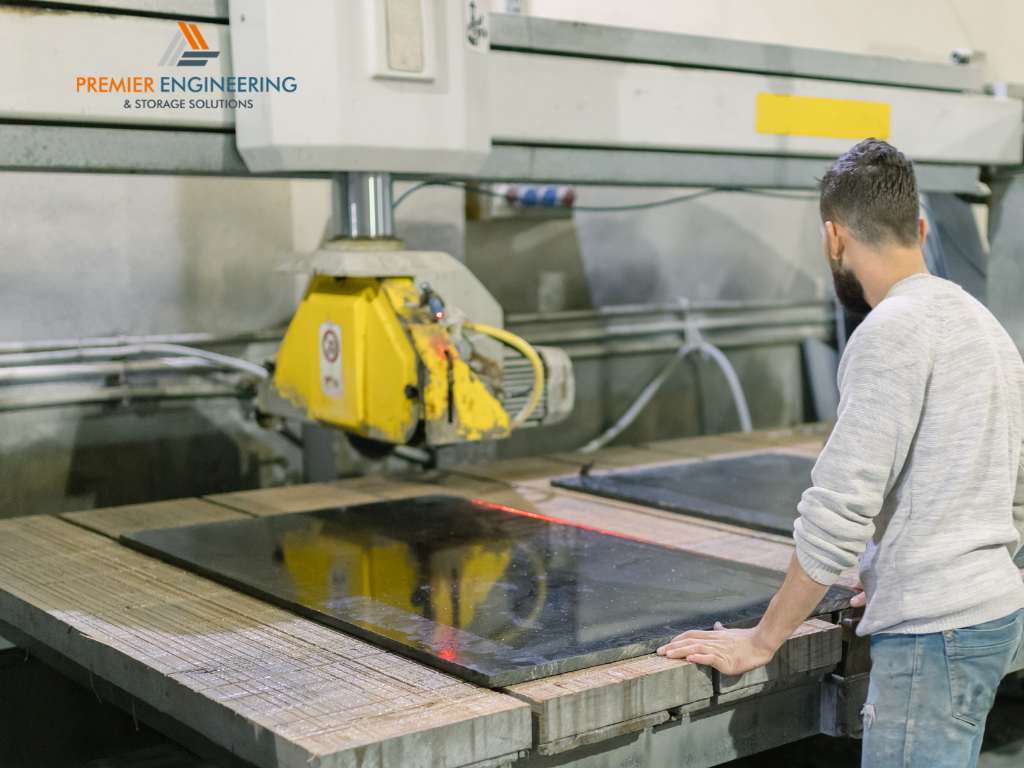
Punching or cutting is often only the first stage of production.
Many high-precision sheet metal parts also require bending, welding, fastener insertion, coating, assembly or inspection. These later processes should influence the flat design.
Coordinate Punching or Cutting With Bending
If the component will be formed on a metal bending press, the flat pattern must account for the bends.
Show bend positions, directions, angles and finished dimensions clearly. The fabricator may need to adjust the flat development according to material type, thickness, bend radius and tooling.
Holes and slots positioned close to a bend can distort during forming. Their location should be reviewed before the flat part is punched or laser cut.
A metal bending press and an industrial steel cutting machine should therefore not be treated as separate planning stages. The cutting method, hole layout and bending sequence need to work together.
Premier Engineering publishes CNC punching, CNC cutting, press brake and welding among its wider fabrication capabilities. This may be useful where a project needs several coordinated production stages. The exact scope and available machinery should be confirmed in the quotation.
Include Welding, Finishing and Inspection
Welding requirements should be identified before the parts are cut. State which pieces will be joined and whether the welds will remain visible.
Finishing may include powder coating, plating, anodising, galvanising or painting. These processes can affect clearances, hole sizes, visible surfaces and packaging.
Inspection requirements should also be clear. Identify the dimensions, hole positions or formed features that control fit and assembly.
The quotation should state whether the supplier is providing punched flat sheets, bent components or complete fabricated assemblies.
This distinction matters because a low punching price may not include deburring, bending, welding, finishing, inspection or delivery.
Know When to Contact a Fabrication Supplier
Early contact can be useful when the process choice is unclear.
It is generally easier to review the design before tooling, programming and material have been committed.
Ask for Advice When Either Process Could Work
Contact a fabricator when the component contains repeated holes as well as a complex outer profile.
The supplier may recommend punching the entire part, laser cutting it or combining processes where appropriate.
Advice is also useful when the material is unfamiliar, tolerances are close or the design includes forms such as louvres and knockouts.
A supplier may identify details that are difficult to manufacture, even when the CAD drawing appears complete. These may include undersized holes, closely spaced features, narrow sections or holes positioned too close to bend lines.
Premier Engineering may be useful when a project requires Metal punching services, cnc cutting services or support across several fabrication stages. Its site lists punching, cutting, press brake forming and welding services from its Ingleburn location.
Provide Complete Project Information for a Quote
Send a PDF drawing together with the relevant CAD or production file.
Include the material grade, sheet thickness, quantity and required delivery date. Identify critical dimensions and realistic tolerances.
Explain whether the component requires punching, laser cutting, bending, welding, fastener insertion, finishing or assembly.
If special formed features are needed, describe them clearly and ask whether matching tooling is available.
Also provide information about the finished application. Knowing how the part will be used may help the supplier identify material or fabrication questions that are not obvious from the flat drawing.
Complete information helps the supplier prepare a quote based on the real production scope rather than assumptions.
Choose the Right Supplier and Approve Production
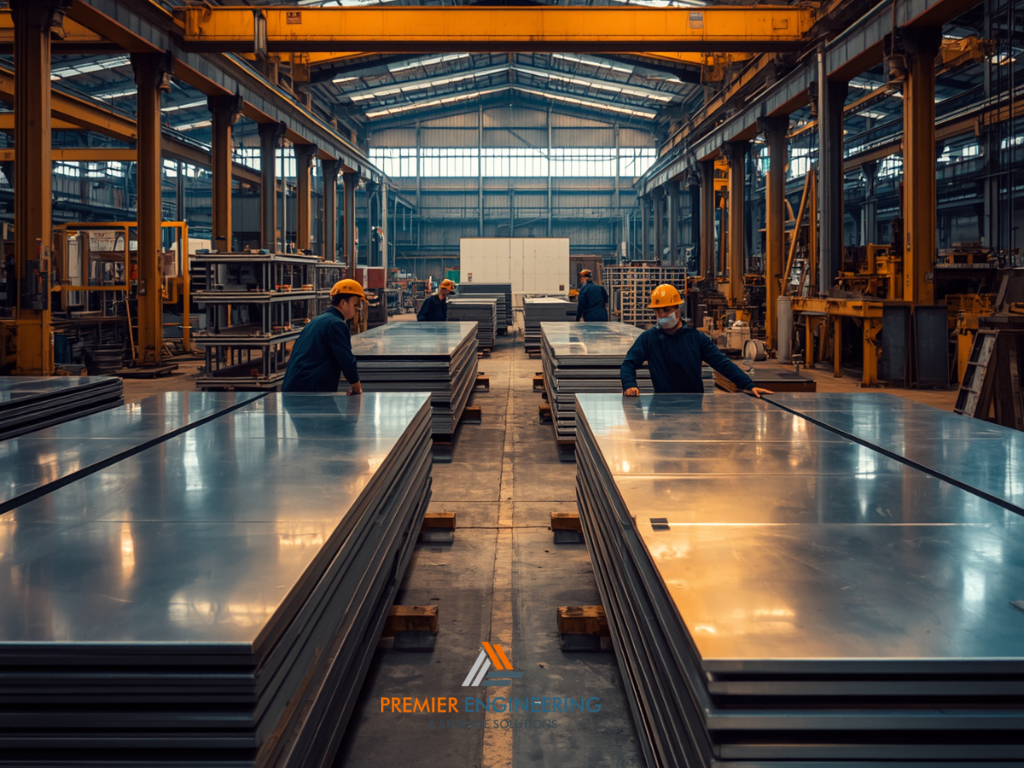
A useful supplier comparison should look beyond the punching rate.
Capability, process advice, tooling, quality checks and communication can all affect the finished result.
Compare Capabilities Rather Than Price Alone
Send the same drawing and specifications to each supplier so the quotations can be compared fairly.
Check whether the price includes material, programming, tooling, punching, deburring, bending, welding, finishing, inspection, packaging and delivery.
Ask about material and thickness limits. Premier Engineering’s published punching page refers to mild steel up to three millimetres thick and sheets up to 2440 by 1220 millimetres, but current capacity and suitability should be verified for each project.
Also ask how design revisions and repeat orders are controlled. Accurate production records are particularly important when the same part will be ordered again.
Western Sydney’s manufacturing sector is increasingly connected with automation and advanced production systems. This makes clear digital files, repeatable processes and manufacturing data more important for local businesses planning ongoing production.
Confirm the Final Drawing and Production Scope
Before approving the job, confirm that the quotation refers to the correct drawing revision.
Check the material, thickness, quantity, process and completion date. Ensure that all required tooling, bending, welding and finishing stages are included.
Clarify who is responsible for the design, material selection and final fit. Unless design or engineering responsibility is specifically included, the customer may remain responsible for the accuracy and suitability of the supplied design. Any agreed changes should be recorded in writing and reflected in the final drawing.
For a project review, send Premier Engineering the drawings, material details, quantities and required fabrication stages. Clear information will help the team assess whether CNC punching, laser cutting or another process is more suitable.
