

Sustainable veneer is becoming more important for architects, designers, builders and joiners who want natural timber finishes without using solid timber for every surface. It can provide the look and warmth of wood while making efficient use of timber resources.
In Australian interiors, wood veneers are commonly used for cabinetry, feature walls, furniture, doors, reception counters, boardrooms and commercial fit-outs. They are also useful when a project needs a consistent timber appearance across larger surfaces.
Choosing the right product is not only about appearance. It also involves sourcing, certification, substrate selection, finish, durability, availability and supplier support. This guide explains what to consider before ordering sustainable veneers or comparing wood veneer suppliers for a project.
What sustainable veneer means in practical project terms
Sustainable veneer generally refers to veneer that is sourced, produced and specified with responsible material use in mind. In practical terms, this may include using certified timber sources, efficient slicing methods, suitable substrates, low-waste production planning and clear product documentation.
A veneer is a thin layer of timber applied to a board substrate. Because the timber surface is sliced thinly, one log can be used across more surface area than if the same timber were used as solid boards. The Timber Veneer Association of Australia describes veneering as a highly efficient use of wood and environmentally friendly.
However, sustainability should not be assumed from the word “veneer” alone. The actual environmental value depends on the timber source, certification, manufacturing process, adhesives, substrate, finish, transport and project use.
Why veneer can use timber more efficiently than solid wood
Timber veneer can help deliver a real wood finish while using less decorative timber per panel face. This is one reason veneer is often chosen for joinery and interior surfaces where the visual effect of timber is important, but solid timber may not be practical for the whole application.
For example, a large wall panel, cabinet run or reception counter can use wood veneer on a stable board substrate. This can create a consistent timber finish across a broad area without requiring thick solid timber sections.
This does not mean veneer is always better than solid timber. Solid timber may still be suitable for structural elements, exposed edges, furniture components or projects where a full-depth timber section is required. The right choice depends on the application, design intent and performance needs.
FSC Certified Veneer and Responsible Sourcing
What FSC certification can help confirm
FSC certified veneer can help project teams confirm that timber has come from a supply chain connected to Forest Stewardship Council standards. In simple terms, FSC certification is used to support responsible sourcing claims and provide traceability through the supply chain.
For architects, builders and designers, this can matter when a project has sustainability requirements, client procurement standards, green building goals or documentation needs. Some Australian suppliers advertise FSC-certified veneer and timber surface products for specification trade and national delivery.
It is important to check the exact certification status of the product being ordered. A supplier may carry some FSC certified veneer options and some non-certified options. Do not assume every product is certified unless the supplier confirms it in writing.
Why documentation matters for architects, builders and designers
Documentation matters because sustainability claims often need to be checked during specification, procurement or project handover. A sample board may show colour and grain, but it does not prove certification, chain of custody, substrate details or finish performance.
Before specifying a product, ask for the relevant product information, certification details and technical documents. If the project requires FSC certification, the documentation should match the exact veneer, panel or product being supplied.
This is especially important for commercial interiors, government projects, education spaces, hospitality venues or fit-outs where material schedules and compliance records may be reviewed.
Common Types of Wood Veneers
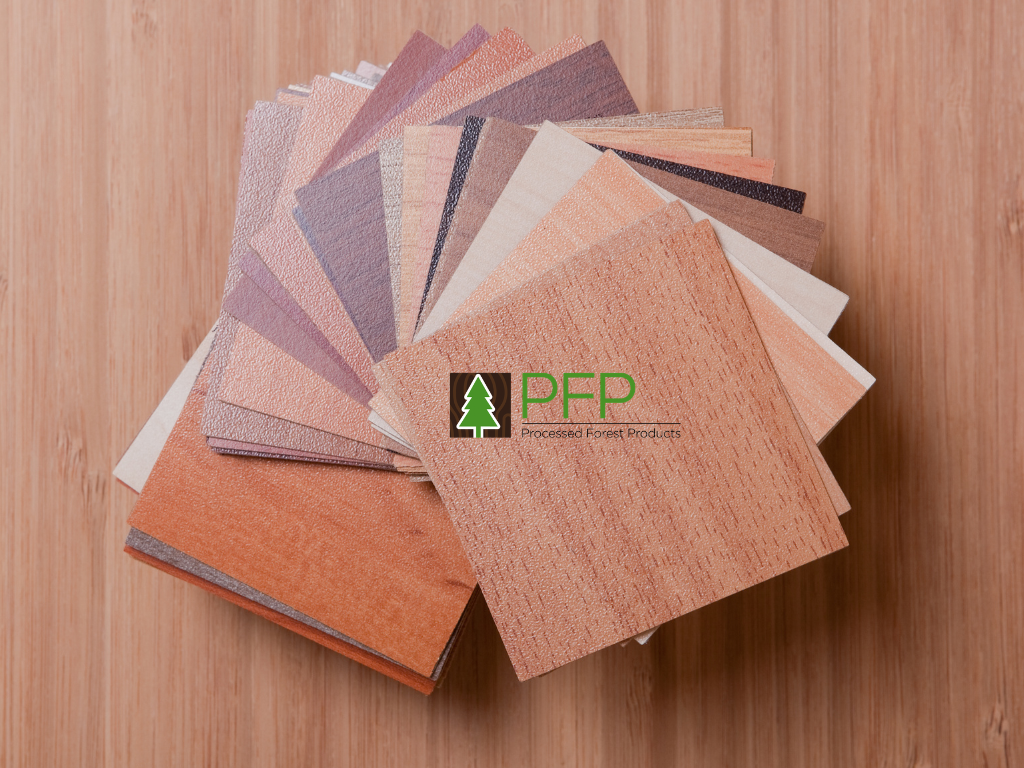
Natural veneer, engineered veneer and reconstructed veneer
Natural wood veneers are sliced from real timber and show the natural variation of the tree. They can provide authentic grain, colour and figure, but they may vary between logs and batches.
Engineered veneer is designed to provide a more controlled appearance. It can be useful when a project needs consistent colour and grain across many panels. Reconstructed veneer can also be made from natural veneers processed into decorative sheet forms. The Timber Veneer Association of Australia explains that reconstructed natural veneers can use low-grade and waste material to produce decorative grade veneers.
The best choice depends on the visual goal. Natural veneer may suit projects where unique timber character is wanted. Engineered or reconstructed veneer may suit projects where repeatability and consistency are more important.
How veneer laminate differs from real wood veneer
The term veneer laminate can sometimes cause confusion. Some people use it to describe a decorative surface that looks like timber, while others use it loosely when referring to veneer pressed onto a panel.
Real wood veneer uses a thin layer of genuine timber. Laminate is usually a manufactured decorative surface, often printed or designed to imitate other materials. Both can be useful, but they are not the same.
If the project needs authentic timber grain, natural variation and a real wood surface, wood veneer may be the better fit. If the project needs high consistency, easy cleaning or a specific performance surface, laminate may be worth comparing. The right option depends on the design, budget, durability needs and maintenance expectations.
Where Sustainable Veneers Are Commonly Used
Joinery, cabinetry, wall panels and furniture
Sustainable veneers are commonly used in joinery because they can provide a refined timber appearance across cabinet doors, drawers, shelving, wall units and feature panels. They are also used in furniture, reception counters, boardroom tables, hotel interiors, retail counters and workplace fit-outs.
For cabinetry, the substrate, edge detail and finish are just as important as the veneer face. A well-selected timber veneer can look strong in the showroom, but poor finishing or unsuitable substrate selection can affect the final result.
For wall panels, designers should consider grain direction, panel size, matching, lighting and maintenance. Timber surfaces can look different under warm light, cool light or strong natural light, so samples should be reviewed in conditions similar to the final space where possible.
Wood veneer design for residential and commercial interiors
Wood veneer design can be used to create warmth, contrast and texture in both residential and commercial interiors. A lighter veneer may suit calm and minimal spaces, while darker veneers can create a richer and more formal appearance.
In commercial spaces, wood veneers can help soften offices, hospitality venues and public-facing interiors. In residential spaces, they can be used for kitchens, wardrobes, wall units and feature joinery.
The design should consider more than species name. Grain pattern, matching method, panel size, finish sheen and surrounding materials all affect the final look. This is why samples and supplier advice are important before the product is ordered.
How to Choose the Right Veneer or Supplier
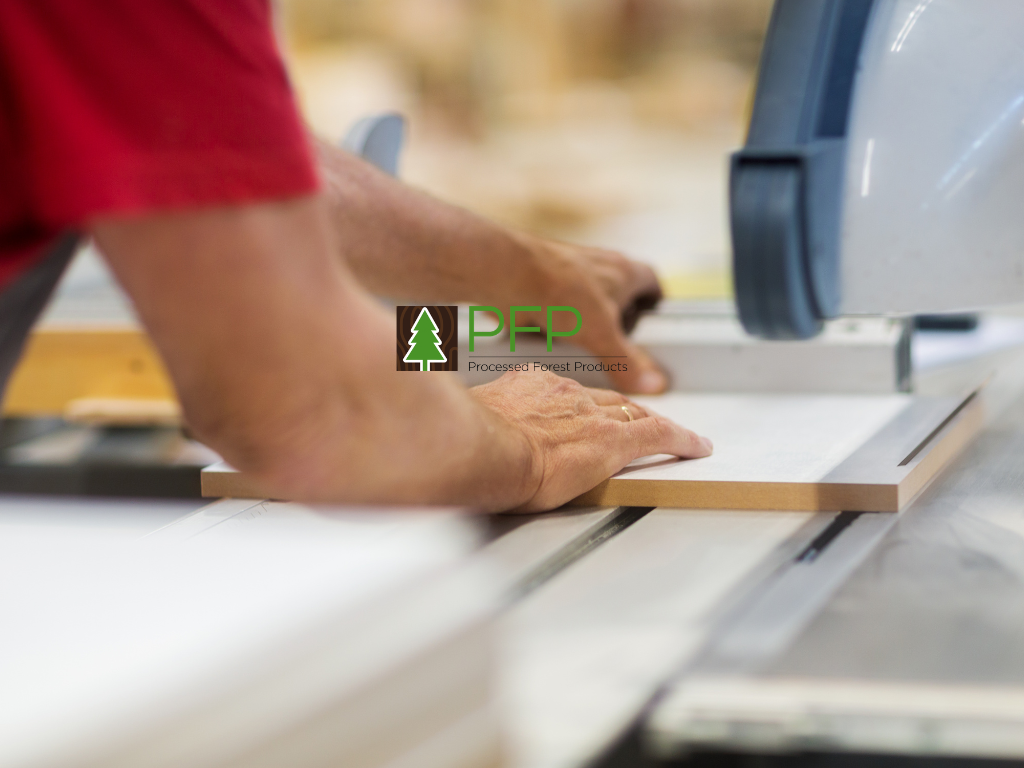
What to ask wood veneer suppliers before ordering
When comparing wood veneer suppliers, ask whether they can provide product samples, certification details, substrate options, lead times and technical information. It is also useful to ask whether they supply raw veneer, pressed panels, finished panels or custom timber panels.
You should also ask whether the veneer is suitable for the intended application. A decorative wall panel may not have the same requirements as high-use cabinetry or furniture. If the project involves moisture exposure, fire performance, acoustic needs or specific building requirements, those details should be confirmed before ordering.
For Sydney or NSW projects, delivery timing and availability can also affect the project schedule. If matching is important, ask whether all required panels can be supplied from the same batch or production run.
How to compare samples, substrates, finishes and lead times
Samples are helpful, but they should be treated as a guide rather than an exact promise. Natural timber can vary, and small samples may not show the full grain or colour movement across a larger panel.
Substrate selection should match the application. MDF, plywood and other board options may perform differently depending on use, finish and site conditions. The supplier, joiner or project team should confirm the correct substrate before production.
Finish should also be reviewed early. Clear coating, staining, oiling or other finishing methods can change the final appearance.
When to Contact Forest Products
When product advice or project support is useful
Forest Products can be mentioned naturally when a project team needs help comparing sustainable veneer, wood veneers or wood veneer supplies for a specific interior or joinery project.
This is useful when you are choosing a veneer species, comparing FSC certified veneer options, checking panel availability or deciding whether a natural, engineered or reconstructed veneer is more suitable.
A helpful supplier conversation should start with the project use. The supplier should understand where the material will be installed, what look is required, how much material is needed, what lead time applies and whether certification or documentation is required.
How supplier guidance can help with practical material decisions
Supplier guidance can help avoid avoidable mistakes. For example, a project that needs a highly consistent finish may need a different veneer approach from a project that celebrates natural variation.
A supplier can also explain how veneer selection affects matching, grain direction, panel layout and availability. This matters because timber veneer is not a generic product. The same species can look different depending on cut, batch, matching method and finish.
If the project has sustainability goals, ask the supplier to confirm which products are certified and which documents are available. If a specific FSC claim is required, it should be confirmed before the product is specified or ordered.
Planning for Installation, Finishing and Long-Term Care
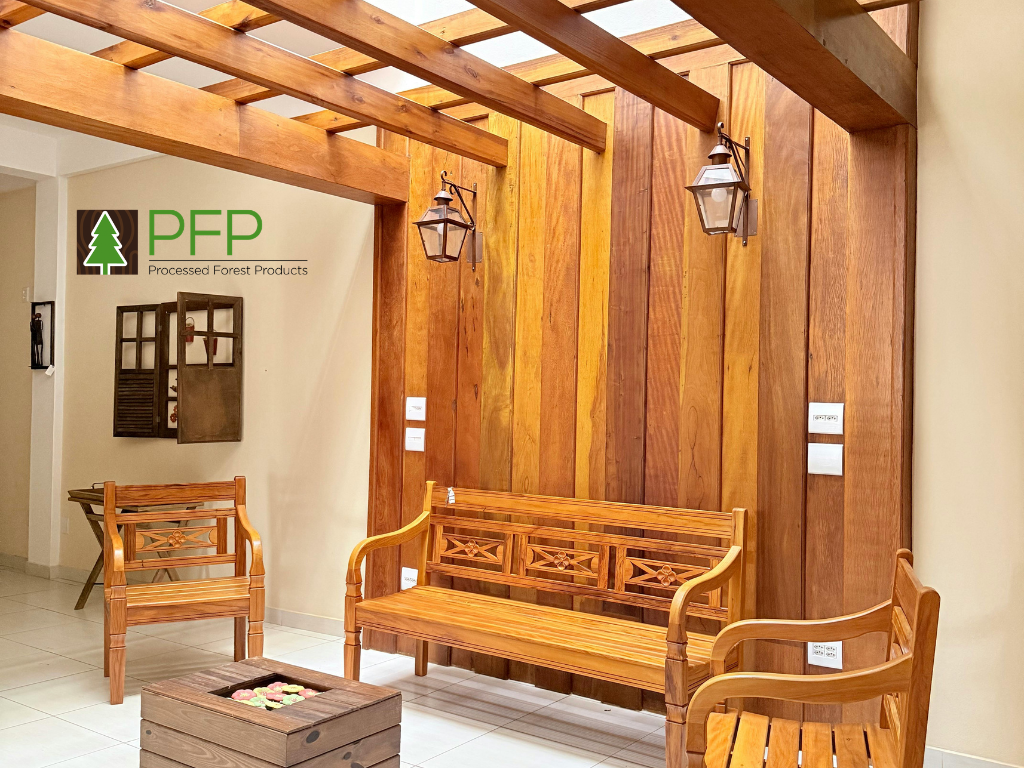
Why handling, finishing and site conditions should be planned early
Sustainable veneer selection does not end when the product is ordered. Handling, storage, finishing and installation all affect the final result.
Veneered panels should be protected from damage, moisture and unsuitable site conditions. They should also be handled in line with supplier or manufacturer guidance.
Finishing should be planned before installation where possible. The finish affects colour, sheen, cleaning and durability. Reviewing a finished sample can help prevent surprises once the panels are installed.
Internal linking opportunities and next steps
This article can naturally link to related pages such as timber veneer, FSC certified veneer, wood veneer suppliers, wood veneer supplies, timber panels, architectural panels, veneer laminate
and decorative timber surfaces.
The next step is to define the project use, preferred appearance, certification needs, substrate, finish, quantity and timeline. Once these details are clear, it becomes easier to compare suppliers and choose a veneer that supports both the design intent and responsible material goals.
A well-chosen sustainable veneer should help create a natural timber finish while supporting practical project needs, clear documentation and informed material selection.
