

A good Truck rental guide should begin with the job, not the vehicle. The right truck depends on what you need to move, how far it needs to go, how much space you have on site, and whether the job also needs extra equipment.
For many local projects, truck hire can make the work easier. It can help with moving furniture, carrying tools, transporting materials, removing green waste, supporting a renovation, or helping a small business complete a delivery. However, choosing the wrong truck can create delays, extra trips, loading problems, or safety risks.
This is why planning matters. Before booking, it helps to understand the size of the load, the weight of the items, the access at both locations, and the time needed to complete the job.
Know what you need to move or support
Start by listing what the truck needs to carry. A home move may involve furniture, boxes, appliances, and fragile items. A landscaping job may involve soil, mulch, plants, tools, and site materials. A trade job may involve equipment, ladders, materials, and waste removal.
The type of load matters because not every truck suits every task. Some loads need enclosed space. Others may need easier loading access. Heavy materials may need extra care because weight limits matter as much as space.
It also helps to think about how the truck will be loaded and unloaded. If items are heavy, awkward, or bulky, you may need ramps, trolleys, straps, or extra people on site. For business equipment hire, you may also need to plan how tools and materials will be secured during transport.
Think about the full job, not just the truck
Some projects need more than a truck. A landscaping job may need equipment rental, such as compactors, small loaders, or excavators. A site cleanup may need cutting tools, safety barriers, or loading gear. A renovation may need access equipment, generators, or other support tools.
Thinking about the full job helps you avoid hiring one item and then realising another is needed halfway through. It can also help you plan the hire period more accurately.
For example, if you need to dig soil, move it, and prepare a base, the job may involve a truck, an excavator, and compaction equipment. Planning these needs together can reduce downtime and help the project run more smoothly.
Common Reasons People Hire Trucks in Macarthur
Truck hire is useful for many residential, trade, and business jobs across the Macarthur region. Customers may need short-term transport for moving, deliveries, construction materials, landscaping work, or site cleanup.
The Macarthur area includes suburban, commercial, semi-rural, and developing areas, so site needs can vary. A simple house move may have clear driveway access, while a building or landscaping project may involve tighter access, uneven ground, or several stages of work.
Moving, delivery, and cleanup jobs
Many people hire trucks for moving house, transporting furniture, collecting large purchases, clearing sheds, removing garden waste, or handling one-off delivery jobs.
For a move, the main focus is usually space, loading access, and trip planning. A truck that is too small may require too many trips. A truck that is too large may be harder to park or manoeuvre in narrow streets or driveways.
For cleanups, the type of waste matters. Green waste, general household items, and renovation materials may need different handling. Customers should check what can be carried, how it should be secured, and where it will be taken.
A simple plan can make the job easier. Know what is being moved, where it is going, who will help load it, and how long the hire period needs to be.
Trade, building, and landscaping work
Trades and small businesses may use truck rental macarthur for carrying tools, materials, equipment, and site waste. Builders may need transport for materials or cleanup. Landscapers may need to move soil, mulch, plants, sleepers, pavers, or machinery. Maintenance teams may need flexible transport for short jobs across different locations.
For these users, timing is often important. If a truck is needed to support other work, delays can affect the whole project. This is why it helps to book early, confirm the hire terms, and check whether other equipment is needed at the same time.
If the job also needs Macarthur Equipment Hire, it may be useful to plan the truck and equipment hire together. This can help match the right equipment to each stage of the work.
How to Choose the Right Truck Size and Hire Setup
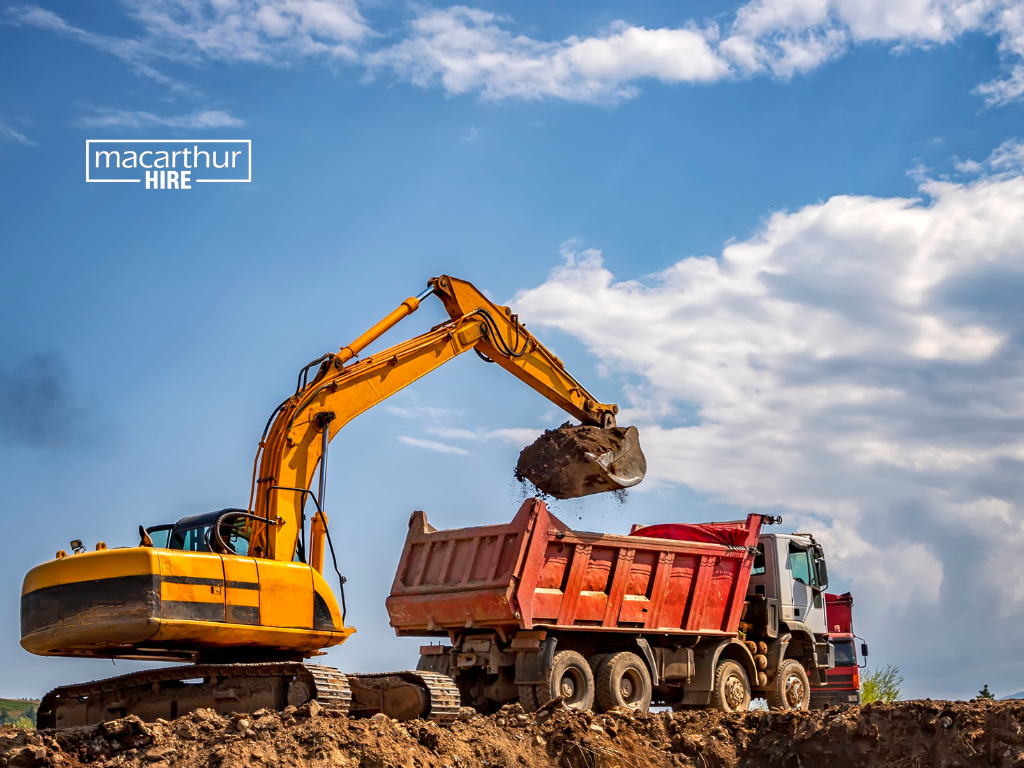
Choosing the right truck size is one of the most important parts of the hire process. A smaller truck may be easier to drive and park, but it may require more trips. A larger truck may carry more, but it may need more space and confidence to operate safely.
The best choice depends on the load, the route, the site access, and the person driving.
Match truck size to load type and access
Before booking, think about the volume and weight of the load. Furniture and boxes may take up space without being extremely heavy. Soil, bricks, tiles, concrete, or machinery can become heavy quickly, even if the load looks small.
Access is just as important. Check driveway width, street parking, turning space, overhead trees, power lines, loading zones, and whether the truck can safely reach the pickup and drop-off areas.
For business or site work, also consider the loading height. If materials or equipment need to be loaded by hand, the truck height may affect how hard the job feels. If machinery or pallets are involved, you may need loading equipment or a different hire setup.
A good hire decision balances space, weight, safety, and access.
Check licence, insurance, and hire conditions
Before booking, check the licence requirements for the truck. Some vehicles may be suitable for a standard car licence, while others may require a different licence class. Licence rules should always be confirmed with the hire provider or the relevant road authority before booking.
Insurance and hire conditions also matter. Ask about bond requirements, excess amounts, fuel expectations, kilometre limits, late return fees, damage reporting, and what happens if the job runs longer than expected.
It is also important to understand return conditions. Some providers may require the vehicle to be returned with a certain fuel level, clean condition, or within a specific time window.
Clear terms help avoid surprises.
When Truck Hire Works with Equipment Rental
Truck hire often works best when it is planned alongside other equipment needs. This is especially true for building, landscaping, cleanup, and trade projects.
A truck may help move materials, but another machine may be needed to dig, lift, compact, cut, pump, or access work areas. This is where equipment rental and Equipment Hire can support the full job.
Combine truck hire with site equipment when needed
Some projects need extra equipment for rent to complete the work properly. A paving job may need a compactor. A garden cleanup may need cutting tools and loading equipment. A renovation may need access gear, concrete tools, or a generator. A small building job may need a truck, trailer, or site support equipment.
The key is to think through the job from start to finish. What needs to be moved? What needs to be lifted? What needs to be cut, dug, levelled, compacted, or cleaned?
Planning this early can help reduce wasted hire time. It can also help avoid the frustration of stopping work because one important item was forgotten.
Some people may search for equiptment rentals when they mean equipment rentals. In either case, the goal is usually the same: finding the right equipment for a short-term job without needing to buy it.
Where excavator hire macarthur may fit
Excavator hire macarthur may be useful when a project involves digging, trenching, levelling, drainage, soil removal, or site preparation. A kubota excavator may suit certain smaller excavation jobs, depending on the model, site access, digging depth, and ground conditions.
For example, if you are preparing a garden, removing soil, installing drainage, or shaping a small site, an excavator may reduce manual work. The truck may then support material transport or cleanup.
However, excavation work needs careful planning. Site access, slope, soft ground, underground services, operator experience, and attachments all matter. Before digging, customers should check underground service locations through the correct local process and confirm safety requirements.
Choosing the Right Macarthur Equipment Hire Supplier
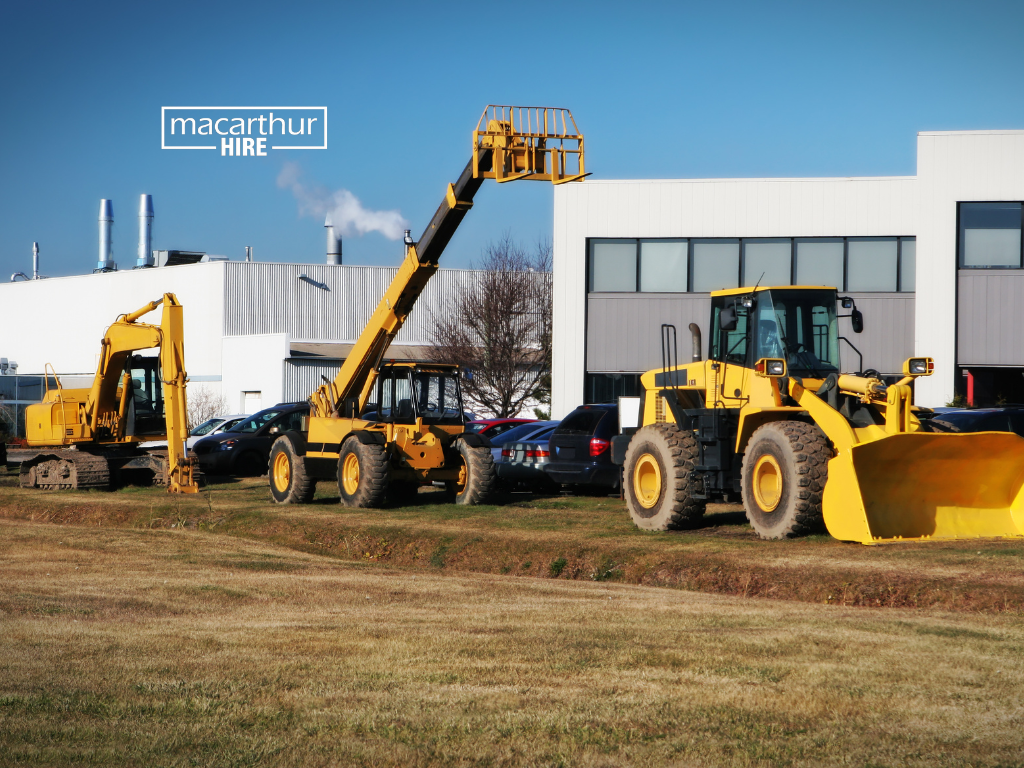
Choosing the right supplier can make the hire process easier. A good supplier should help you understand what equipment suits the job, what hire terms apply, and what you need to prepare before pickup or delivery.
The right supplier is not only the one with the lowest price. Support, suitability, equipment condition, availability, and clear advice can matter just as much.
What to check before booking
Before booking, ask whether the truck or equipment is suitable for your job. Explain what you need to move, where the job is located, how long you need the hire, and whether the site has any access issues.
It is also worth confirming availability, hire period, pickup or delivery options, pricing, bond, insurance conditions, fuel requirements, return rules, and what happens if you need to extend the hire.
If you are also hiring equipment, ask about attachments, safety instructions, and whether the equipment can be staged across the project. For example, you may need a truck first, then excavation equipment, then compaction equipment later.
Good planning can make the hire process smoother.
Where Macarthur Hire can fit into the decision
Macarthur Hire can be considered by customers comparing truck rental macarthur, equipment rental, business equipment hire, and Macarthur Equipment Hire options.
This may be useful for homeowners, tradies, landscapers, and small businesses that want local advice before choosing equipment. A local supplier may also help you think through practical details such as site access, hire duration, attachments, delivery timing, and whether the job needs more than one piece of equipment.
The goal is to choose the right truck or equipment for the task, not to hire more than you need.
When to Contact a Company Before Booking
It is a good idea to contact a hire company before booking if you are unsure about truck size, load weight, access, licence requirements, or whether extra equipment is needed.
A short conversation can help prevent a poor hire choice. This is especially useful for first-time customers, tight sites, mixed loads, or jobs involving machinery.
Signs you need advice first
You may need advice if you are unsure what size truck to hire, if the materials are heavy, if the pickup or drop-off area has limited access, or if the job needs both transport and site equipment.
You should also ask for guidance if you are moving machinery, loading pallets, carrying soil or landscaping materials, or planning excavation work. These jobs may need more careful planning than a simple furniture move.
If you are hiring a truck for business use, it may also help to discuss timing, repeated hire needs, and whether business equipment hire options are available.
What to prepare before calling
Before calling, prepare the basic job details. This includes what you are moving, the estimated size or weight of the load, the pickup and drop-off locations, site access, preferred hire dates, and how long you expect to need the truck.
Photos can also help. A photo of the driveway, loading area, access point, or worksite can make it easier for the supplier to understand the situation.
If the job involves other equipment, explain the full task. For example, say whether you need to dig, move soil, compact a base, clear a garden, transport machinery, or support a trade job.
The more detail you provide, the easier it is to recommend a suitable hire option.
Planning a Safer and Smoother Hire Experience

A smooth hire experience starts before the truck arrives or is picked up. Good preparation helps reduce delays, keeps the job safer, and makes better use of the hire period.
This applies to home moves, business transport, landscaping jobs, and construction-related work.
Prepare the site and loading area
Before the hire begins, check that the loading area is clear and safe. Move cars, clear paths, check overhead clearance, and make sure there is enough space for the truck to park.
For home moves, organise items before the truck arrives. Keep heavy items accessible and protect fragile items. For site work, make sure materials are ready, access is clear, and the work area is safe.
If the job involves equipment, check ground conditions, slopes, soft areas, and unloading space. If excavation is involved, underground services must be identified before work starts.
Preparation helps reduce wasted hire time and makes the job easier for everyone involved.
Review the truck and equipment before use
Before starting, review the truck or equipment with the supplier where possible. Check instructions, fuel requirements, damage notes, loading limits, safety features, and return expectations.
Do not overload the vehicle. Load items evenly and secure them properly before driving. Heavy or loose items can create safety risks if they move during transport.
If using machinery or other Equipment Hire items, check that the correct attachments, guards, controls, and instructions are included. If anything seems unclear, ask before starting.
A good Truck rental guide is not only about choosing a truck. It is about planning the whole job, matching the right equipment to the task, and preparing properly before work begins.
For Macarthur customers, local support can make the process easier, especially when truck hire, equipment rental, and site equipment need to work together.
