

Choosing the right acrylic screens is about more than picking a clear panel. The screen needs to suit the space, the people using it, and the tasks that happen around it each day. A screen for a reception counter will not always suit a retail checkout, office desk, café counter, clinic window, or school admin area.
Before you order, it helps to think about the purpose of the screen. Some screens are used to create separation between staff and customers. Others are used to divide workstations, guide customer flow, protect displays, or improve privacy in shared areas. Each use may need a different size, thickness, shape, fixing method, or finish.
This is why planning matters. A well-chosen screen should fit neatly, stay stable, look professional, and make the workplace easier to use.
Understand the purpose before selecting a screen
Start by asking what the screen needs to do. Is it for a front counter? Is it for a shared desk? Does it need a payment opening? Will people pass documents through it? Will it be fixed in place, or should it be moveable?
These questions help you choose the right type of acrylic screen. For example, a freestanding screen may suit a temporary or flexible desk layout. A fixed counter screen may be better for a busy reception area. A custom screen may be needed if the counter has unusual corners, equipment, cables, or customer access points.
Thinking about the purpose first also helps you avoid buying a screen that looks suitable online but does not work well in the real space.
Balance visibility, separation, and daily workflow
A good screen should support separation without making the workplace harder to use. St
Clear acrylic is often chosen because it allows light and visibility. This can be helpful in customeaff should still be able to speak with customers, see clearly, reach tools, use payment terminals, and access documents when needed.r-facing areas where communication still matters. However, the screen also needs to be the right height and width. If it is too large, it may feel awkward. If it is too small, it may not serve its purpose.
The best screen is one that feels natural in the space. It should support the daily workflow instead of getting in the way.
Where Can Acrylic Screens Be Used?
Acrylic screens can be used in many types of business and public-facing spaces. They are common in places where people speak across counters, share desks, or need clear separation without blocking visibility.
They can also be useful in spaces that need a cleaner, more organised layout. This may include retail areas, office workstations, product displays, service counters, and reception zones.
Common commercial and customer-facing spaces
Acrylic screens may suit many everyday settings, including:
- Reception counters and front desks
- Retail checkouts and service counters
- Medical, dental, and allied health reception areas
- Office desks and shared workstations
- School administration counters
- Café counters and food service areas
- Product display and showroom areas
- Industrial offices and trade counters
Each setting may need a different screen design. A clinic may need a stable fixed panel. A retail counter may need a cut-out for payment or product handling. An office may need a simple divider between workstations. A display area may need a polished finish that looks neat and professional.
Local needs for Sydney workplaces
Sydney workplaces can vary a lot. Some businesses operate from compact city offices. Others have larger showrooms, warehouses, clinics, schools, workshops, or shopfronts across Western Sydney and surrounding areas.
This means one screen style will not suit every business. A small office may need lightweight desk dividers. A busy trade counter may need larger, stronger panels. A retail space may need clear screens that do not block product visibility.
If you are comparing Acrylic Sheets sydney or perspex sheet sydney options, think about how the material will be used in the finished screen. The right sheet should suit the size, fixing method, location, and amount of daily handling.
What Material, Size, and Thickness Should You Choose?
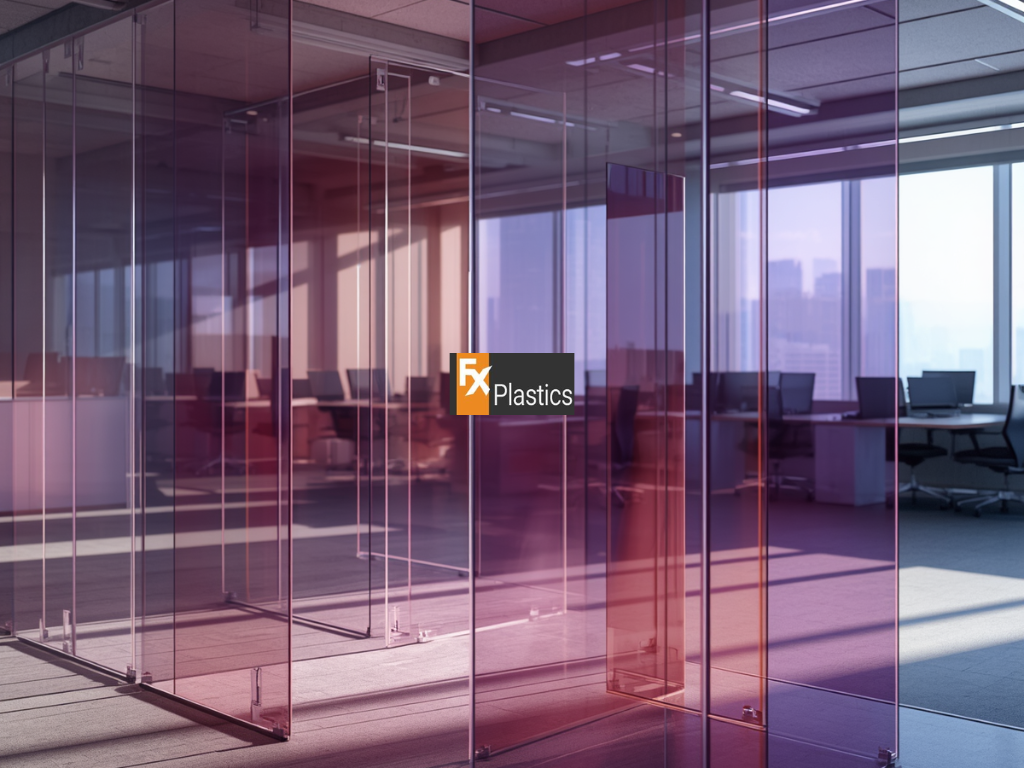
The material, size, and thickness will affect the look and performance of the screen. Acrylic is commonly used for clear screen projects because it offers good visibility and can be cut into different shapes and sizes.
However, it is important to match the material to the job. A small desk screen may not need the same thickness as a wide fixed counter screen. A large panel may need more support than a small freestanding divider.
Understanding acrylic sheet options
Acrylic sheets are often used for screens, partitions, display covers, guards, and custom panels. They can be cut, shaped, drilled, and finished to suit many workplace layouts.
When comparing Acrylic Sheets sydney options, consider the sheet thickness, clarity, finish, and suitability for the application. You should also check whether the screen will be exposed to frequent handling, regular cleaning, movement, or possible knocks.
If you are also looking at perspex sydney options, remember that many people use the terms Perspex and acrylic in similar ways when discussing clear plastic sheet products. A supplier can explain what material is being used and whether it suits your project.
Choosing the right thickness and finish
Thickness matters because it affects stability and feel. A thin panel may be lighter and more affordable, but it may flex too much if the screen is large. A thicker panel may feel more stable, but it may also cost more and need better support.
The finish matters too. Polished edges can look better in customer-facing areas. Rounded corners can make handling easier. Cut-outs can help with payments, documents, cables, microphones, or equipment access.
Before ordering, consider these details:
- Width and height
- Sheet thickness
- Fixed or freestanding design
- Edge finish
- Cut-outs or openings
- Hole positions
- Cleaning access
- Installation method
These choices help the final screen fit better and work more smoothly.
When Is Custom Cutting or Fabrication Better?
Standard screens can be useful for simple spaces. However, many workplaces do not have standard counters, desks, or service areas. In those situations, custom cutting or fabrication may be a better option.
Custom work can help when you need exact sizing, shaped edges, cut-outs, screw holes, slots, joins, or a screen that fits around equipment.
Why perspex cut to size can improve fit
Perspex cut to size can help when a standard panel is too wide, too short, too tall, or not shaped correctly for the space. This is common in reception counters, customer service windows, café counters, office desks, and retail checkouts.
Accurate sizing can reduce gaps and awkward overhangs. It can also make the screen look more professional. If the screen is part of a customer-facing area, this can make a real difference to the overall presentation.
Before ordering, measure the space carefully. Check the counter width, screen height, nearby equipment, power points, payment terminals, paperwork access, and any areas where staff need to reach through or around the screen.
When laser cutting may be useful
Acrylic Laser Cutting Sydney may be useful when the screen needs accurate cut-outs, detailed shapes, smooth edges, holes, slots, or repeatable panel sizes. This can be helpful for businesses ordering several screens for one site or matching screens across different areas.
Laser cutting may also suit designs that need a neat visual finish. For example, a screen with rounded corners, a payment slot, or shaped side panels may need more accurate cutting than a simple straight panel.
If the design is more detailed, it is helpful to provide a drawing, sketch, or photo with measurements. This gives the supplier a clearer idea of what needs to be made.
How to Choose the Right Product or Service
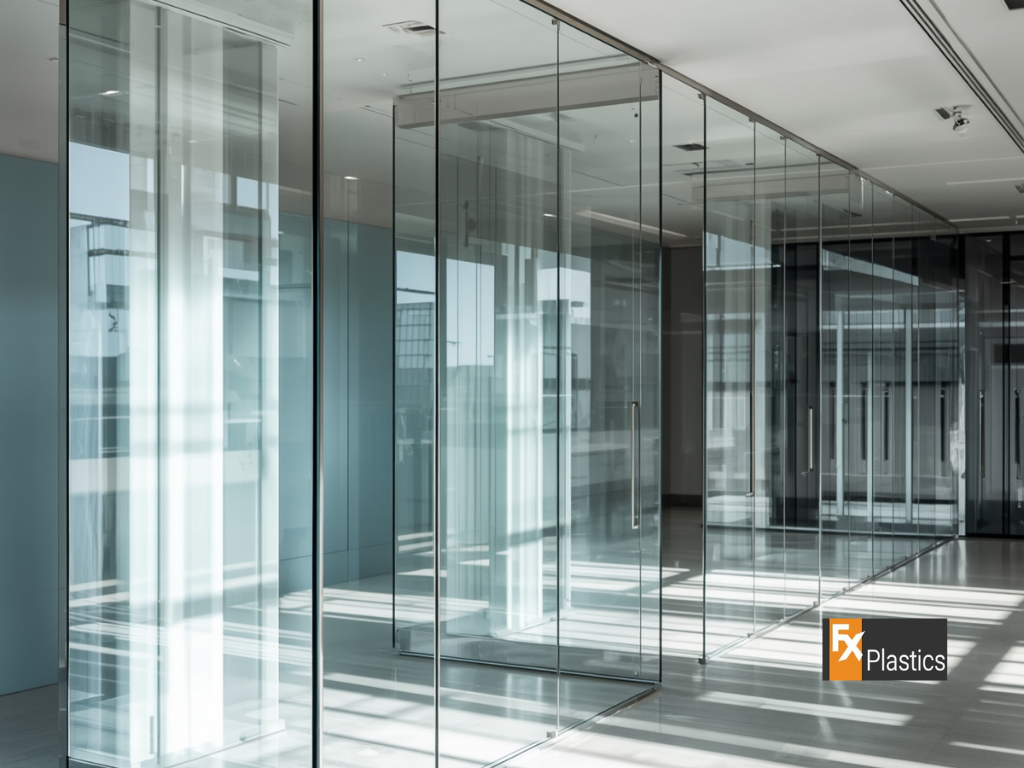
Choosing the right product or service depends on your layout, budget, customer flow, and how the screen will be used each day. A simple off-the-shelf screen may suit some spaces. A custom fabricated screen may suit others.
The main goal is to choose something that fits properly, looks clean, and supports the way the workplace operates.
Match the screen type to the workplace
A freestanding acrylic screen may suit a desk, counter, or temporary setup. A fixed screen may suit a busy reception or service area. A larger partition may suit shared office areas or customer zones. A custom screen may be better when the space has unusual measurements or special access needs.
Think about how people will interact with the screen. Will customers stand in front of it? Will staff sit behind it? Will products, papers, or payments pass through it? Will the screen need to move? Will it need to match other screens nearby?
These questions help you compare the right option instead of choosing only by price.
Compare supplier support and fabrication options
When comparing suppliers, look for clear advice, suitable material options, accurate cutting, and support with practical design details. This is especially important if you need Acrylic fabrication or Design and Fabrication rather than a simple sheet.
FX Plastics may be useful to consider when you need perspex cut to size, Acrylic fabrication, Acrylic Laser Cutting Sydney, perspex sydney, or Design and Fabrication support. This may help if your project needs custom shapes, cut-outs, multiple panels, or a more finished appearance.
Before placing an order, ask what information the supplier needs, what finishes are available, whether they can work from a sketch, and whether the chosen material suits your intended use.
What Mistakes Should You Avoid Before Ordering?
Small mistakes can create big problems when ordering acrylic screens. The most common issues are unclear measurements, choosing the wrong thickness, forgetting cut-outs, and not thinking about how the screen will be installed or cleaned.
Taking time to plan can make the ordering process easier and reduce the risk of delays or rework.
Avoid choosing only by price
Price is important, but it should not be the only factor. A cheaper screen may not be the right choice if it is too thin, unstable, poorly sized, or missing important details.
A better approach is to compare value. Look at the material, thickness, cutting accuracy, edge finish, supplier support, and whether the screen suits your workplace. A screen that fits properly may be easier to use and look better over time.
If a supplier makes strong claims about performance, hygiene, durability, or suitability, ask for details or mark those claims as [VERIFY] before relying on them.
Avoid unclear measurements and missing design details
Do not guess your measurements. Measure the area carefully and check for anything that may affect the screen, such as eftpos machines, cables, drawers, shelves, signs, computers, scanners, or customer access points.
Also think about cleaning. A screen that is hard to reach may be harder to maintain. A screen with the wrong fixing method may be difficult to move or adjust.
If you are unsure, take photos of the space and mark the measurements. This can help the supplier understand the layout more clearly.
When Should You Contact an Acrylic Screen Supplier?
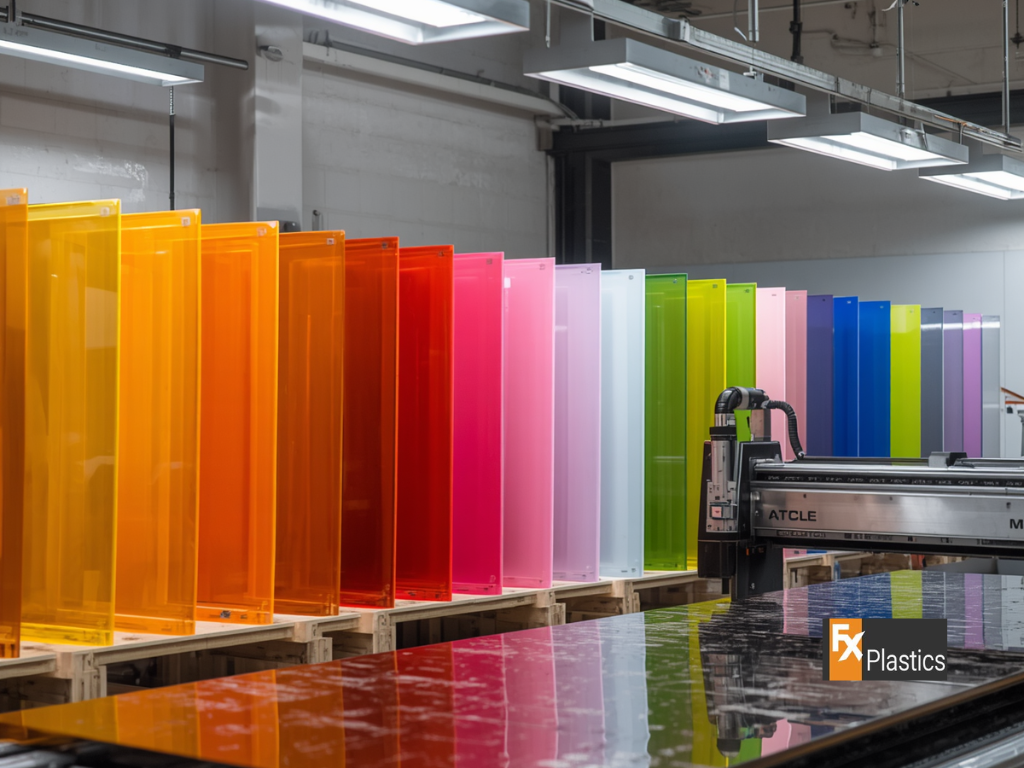
You should contact an acrylic screen supplier when the project needs more than a simple standard panel. This may include custom sizing, special shapes, multiple panels, cut-outs, fixed installation, or advice on material and thickness.
It is better to ask questions before cutting starts. This can help you avoid ordering the wrong size or choosing a material that does not suit the space.
When the space needs custom planning
Custom planning is useful when the screen needs to fit an unusual counter, wrap around equipment, match existing furniture, or include openings for payments, documents, cables, or microphones.
It is also useful when you need several screens for one workplace. Matching sizes, finishes, and fixing methods can create a cleaner and more consistent result.
Before contacting a supplier, prepare your measurements, photos, quantity, preferred thickness, and a simple explanation of how the screen will be used.
When you need support from design to finished product
Design and Fabrication support can help when you know what you need the screen to do, but you are not sure how it should be made. A supplier can help with material choice, cutting method, edge finish, hole placement, and practical layout details.
This is useful for businesses that need acrylic screens for reception areas, service counters, offices, clinics, schools, shopfronts, or display spaces. It can also help when a project needs a neat finish that suits a customer-facing area.
To finish, the best acrylic screens are the ones that fit the space, support the daily workflow, and make the workplace easier to use. Start with the purpose, measure carefully, choose suitable material, and speak with a supplier when the design needs custom support.
